

Maddy summaryHB 2741 modifies Arizona's liquor licensing rules by adjusting how many new bar, beer/wine bar, and liquor store licenses are issued each year based on county population growth (increasing from 5,000 to 10,000 people per new license for beer/wine bars starting in 2022). It requires new license holders to pay a fee equal to the current market value of similar licenses in their county, determined through appraisals. The bill also limits off-sale liquor sales (e.g., takeout) to no more than 30% of total on-sale sales at licensed establishments. Additionally, it allows license holders to combine multiple license types (like bar + liquor store) at a single location under specific conditions. This law directly affects businesses seeking new liquor licenses or expanding existing operations in Arizona.
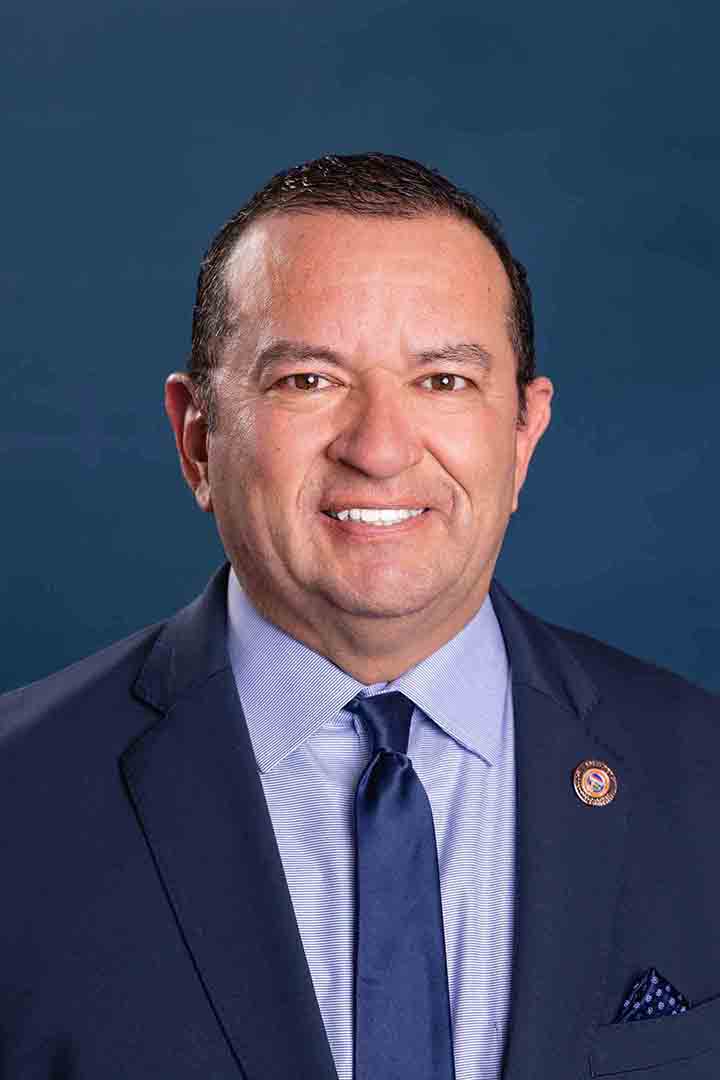
Rep. Chris Lopez
Sponsored bills
Maddy summaryThis is a symbolic resolution (not a law) passed by Arizona lawmakers expressing support for the Palo Verde Generating Station nuclear power plant and nuclear energy. It highlights Palo Verde's role as Arizona's largest clean energy source, economic contributor ($2.3 billion impact), and employer (3,000+ jobs), while noting public support for nuclear power. The resolution has no legal effect but formally endorses continued nuclear energy use and directs the Secretary of State to send copies to federal officials. It does not create new policies, funding, or regulations.
Maddy summaryHB 2557 appropriates $16,291,610 from Arizona's state general fund for fiscal year 2025-2026 to the Department of Transportation. The funds are specifically designated to widen and improve State Route 347 between Interstate 10 and the city of Maricopa. This project directly affects drivers and local communities along that corridor by expanding the highway infrastructure. The bill creates no new regulations or requirements - its sole mechanism is the allocation of funds for this physical improvement project.
Maddy summaryHB 2404 establishes the Arizona Commerce Authority to lead economic growth by attracting, expanding, and retaining businesses across the state. It creates a 19-member board of directors (including the governor as chair, 17 private business leaders appointed by the governor and legislative leaders, and non-voting ex officio members) to guide this work. Key provisions require appointed board members to undergo criminal background checks, mandate technical advisors from state agencies (like environmental quality and transportation), and set annual audit requirements for the authority’s funds. The bill directly affects state economic development strategy and business recruitment efforts, with the board’s decisions shaping how Arizona markets itself to companies.
Maddy summaryThis Arizona legislative memorial (HCM 2009) requests Congress to divest the federal Bureau of Indian Affairs (BIA) of the San Carlos Irrigation Project (SCIP) electric system. It directly affects approximately 10,000 customers - primarily on tribal and non-tribal lands in Arizona - facing unreliable service, frequent outages, and 40% rate hikes due to the BIA's inability to secure stable power contracts. The memorial proposes transferring the system to neighboring nonprofit utilities (San Carlos Apache Tribe and Gila River Indian Community) to improve reliability and affordability, while also requesting federal funding for necessary system upgrades. The Arizona legislature passed this memorial on March 27, 2025, and transmitted it to Congress for action.
Maddy summaryArizona's HB 2663 requires school principals or designated administrators to provide teachers with written certification before allowing a temporarily removed student to return to class. This certification must state the authorization for readmission and describe any disciplinary action taken for the behavior that led to the removal. The bill applies to all public school classrooms where regular instruction occurs and clarifies that "rules governing student conduct" include district policies, school procedures, and teacher-developed classroom management plans. The law aims to ensure transparency in classroom management decisions and is currently awaiting the governor's action after passing both legislative chambers.
Maddy summaryHB 2933 is a technical correction to Arizona Revised Statutes §13-116, which governs double punishment for the same act. It fixes minor grammatical errors in the existing law (correcting "that" to "that" and removing a duplicated "requires") without changing any legal meaning or policy. The bill does not affect individuals, alter sentencing rules, or create new legal requirements. It is purely a drafting correction to ensure the statute's language is clear and accurate.
Maddy summaryHB 2725 requires Arizona public schools to display U.S. flags (made in the U.S.) and provide Constitution/Bill of Rights copies (also U.S.-made) in classrooms for grades 7-12, and to set aside time daily for students to recite the Pledge of Allegiance. Schools must notify parents if a student skips the Pledge during this designated time. The bill also mandates a 1-2 minute daily moment of silence at the start of each school day for all grades (K-12), with teachers encouraged to discuss its use with parents but not suggesting specific reflections. Private schools, parochial schools, and homeschools are exempt from these requirements.
Maddy summaryHB 2601 exempts minors under 18 years old from Arizona income tax on their first $50,000 of Arizona gross income for any tax year. This directly affects young workers earning up to $50,000 annually in Arizona, regardless of income source (e.g., wages, self-employment). The bill adds this exemption to existing tax code sections (43-403 and 43-1043), requiring the tax department to verify eligibility. The policy change applies to tax years beginning after December 31, 2025.
Maddy summaryHB 2100 creates "Made in Arizona" special license plates, allowing individuals or entities to pay $32,000 to the Arizona Department of Transportation to design and issue these plates. The bill specifies that plate designs must be approved by the department, and the $32,000 payment covers implementation costs. It also allows combining this plate type with personalized or low-emission vehicle plates, with an additional $25 fee per plate (including $17 as an annual donation to the state). This option directly affects Arizona vehicle owners who choose to pay for the special plate design and associated fees.