Issue · Healthcare

Healthcare

Every healthcare bill, vote, and legislator stance in Arizona, automatically classified by Maddy, our AI policy reader.

Total bills
298
57th Legislature - Second Regular Session
Top supporter
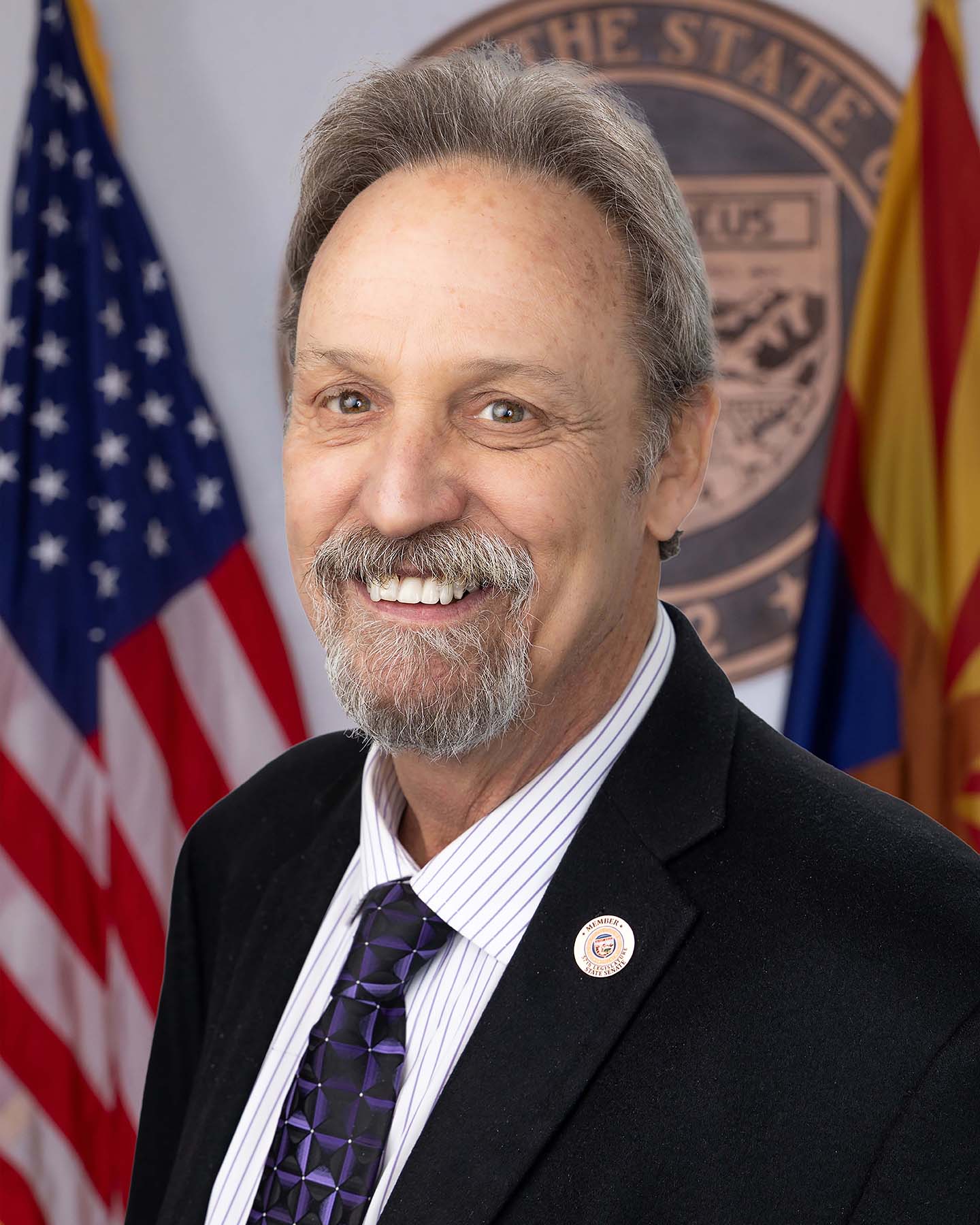
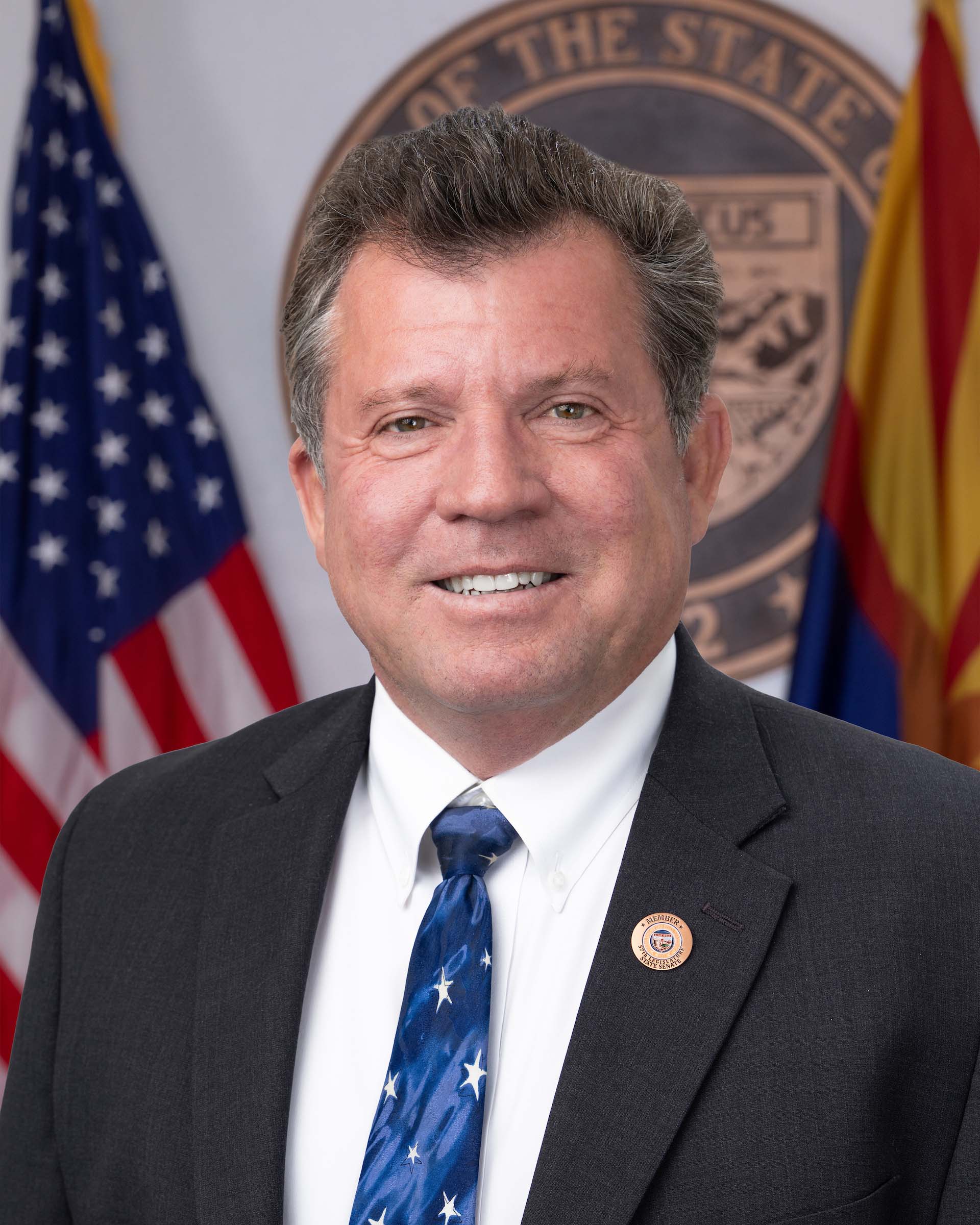
Kevin Payne
81% support rate
Top opponent
Michael Way
24% support rate
Ranked legislators
10
5 support · 5 oppose
Key legislators

Who's moving healthcare in Arizona

Legislators moving healthcare in Arizona
Legislator Party Stance Support rate Votes
Kevin Payne
Kevin Payne Senate · District 27
R
Strong +
81% 164
Hildy Angius
Hildy Angius Senate · District 30
R
Support
79% 178
T.J. Shope
T.J. Shope Senate · District 16
R
Support
79% 179
Vince Leach
Vince Leach Senate · District 17
R
Support
79% 179
Tim Dunn
Tim Dunn Senate · District 25
R
Support
79% 179
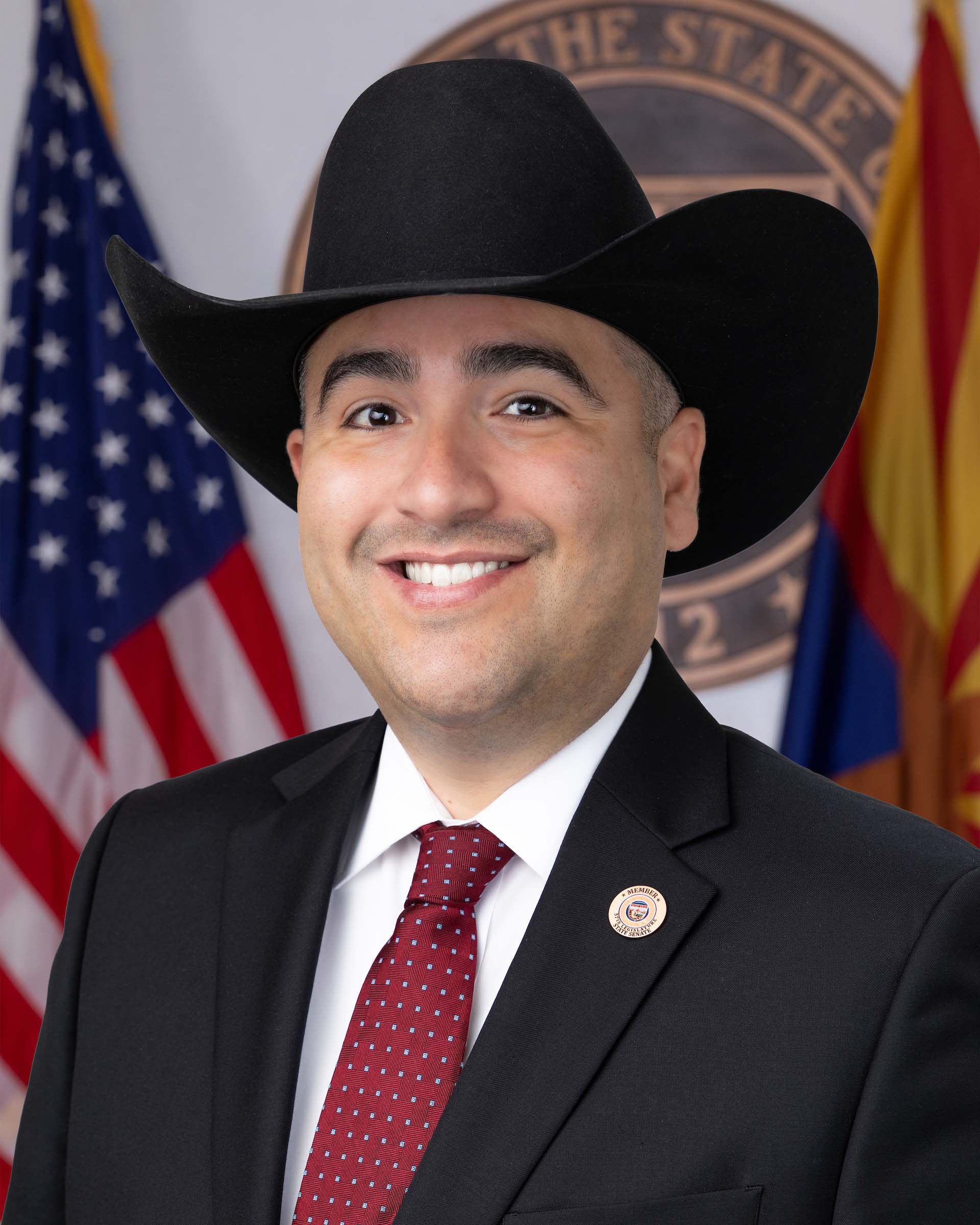
Michael Way
Michael Way House · District 15
R
Oppose
24% 223
Justin Olson
Justin Olson House · District 10
R
Oppose
27% 241
Khyl Powell
Khyl Powell House · District 14
R
Oppose
27% 241
Rachel Keshel
Rachel Keshel House · District 17
R
Oppose
28% 235
Alex Kolodin
Alex Kolodin House · District 3
R
Oppose
30% 238
Showing 81–90 of 298 bills

All healthcare bills

signed · Arizona · House Jun 4, 2026

HB 2434: controlled substances prescription monitoring program

This bill updates Arizona's rules for prescribing controlled substances, requiring pharmacies to maintain separate records for different drug schedules (I-II vs. III-V) and mandating electronic prescriptions for opioids. It sets strict requirements for emergency dispensing, verbal prescription changes, and prohibits refills for Schedule II drugs. These rules directly affect pharmacies, pharmacists, and prescribers of controlled substances. The changes aim to improve tracking and reduce diversion of high-risk medications.
signed · Arizona · House Jun 4, 2026

HB 2923: court-ordered treatment; judicial review

HB 2923 amends Arizona law to establish clearer court oversight for inpatient mental health treatment of incapacitated persons under guardianship. It requires courts to authorize guardians to consent to such treatment only after clear evidence (supported by a mental health expert) that the person is likely to need inpatient care, and mandates that courts limit treatment to the least restrictive option for the shortest necessary duration. Key provisions include requiring facilities to assess placement every 30 days, notifying the ward’s attorney within 48 hours of admission, and allowing the attorney to request a court hearing within 3 days if placement seems inappropriate. The bill also ensures the ward’s attorney can access all treatment records and must review reports if guardians seek continued authority to consent to inpatient care.
introduced · Arizona · Senate Feb 2, 2026

SB 1464: coverage; family and medical leave.

Arizona's SB 1464 creates a state-run family and medical leave insurance program starting in 2029. It provides eligible workers with up to 26 weeks of paid benefits for pregnancy, serious health conditions requiring hospitalization, or 24 weeks for caring for a newborn, family member with a serious health condition, military family leave, or "safe leave" related to domestic violence, sexual violence, abuse, or stalking. To qualify, workers must meet specific wage requirements during their base period (e.g., earning at least $390 per week in a qualifying quarter). Employers must provide at least 12 weeks of leave, with benefits paid biweekly after a claim is filed.
Sub-Topics Paid Leave
signed · Arizona · House Jun 22, 2026

HB 2960: veterans' court fund; grant program

HB 2960 establishes a grant program to fund specialized veterans' courts in Arizona counties and municipalities. It creates a "veterans' treatment court fund" using state appropriations, providing money to local governments to set up courts that address veterans' justice-involved behavior through individualized treatment plans for issues like PTSD, substance abuse, and traumatic brain injury. The program requires grantees to report annually on participant demographics, recidivism, treatment use, and program outcomes, with the Attorney General compiling statewide data and recommendations for improvement. This directly affects veterans involved in the criminal justice system by connecting them to targeted support services rather than standard court processing.
introduced · Arizona · House Jan 29, 2026

HB 2929: perimenopause; menopause; task force

HB 2929 establishes a 16-member task force focused on perimenopause and menopause care in Arizona. The task force includes health professionals, hospital representatives, educators, and community health stakeholders appointed by state officials. Its key duties are to identify ways to improve treatment and education for women experiencing these conditions, review health care curricula, and recommend changes to health care providers and institutions. The task force must submit findings to state leaders by December 2027 and 2028, and the bill expires on June 30, 2029. This is a procedural bill creating a study group, not a direct policy change affecting specific laws or funding.
Sub-Topics Hospitals
passed · Arizona · Senate Mar 23, 2026

SB 1621: obesity; prevention; treatment; advisory council

SB 1621 establishes an Obesity Treatment and Prevention Advisory Council in Arizona to address healthcare gaps related to obesity. The council, composed of 10 members including legislators, health officials, patient advocates, and medical professionals, will analyze Medicaid cost savings for preventative care, evaluate policy strategies, identify system gaps, and produce public education reports. It must submit its first report by December 31, 2027, and a follow-up by 2028 to state leaders. This procedural bill creates a temporary body (repealed January 2029) focused on guiding future policy, not directly changing Medicaid coverage or treatment access.
Sub-Topics Medicaid
signed · Arizona · Senate Jun 19, 2026

SB 1162: health care institutions; licensing; complaints

SB 1162 clarifies oversight for Arizona health care institutions by requiring the state Department of Health Services to license and monitor these facilities for compliance with safety and quality standards. The bill prevents the Arizona Health Care Cost Containment System from duplicating the Department's monitoring role, mandating that the system accept the Department's compliance decisions. It also establishes two key complaint procedures: (1) allowing the Department to close complaints after an off-site review if facilities provide evidence of implemented fixes, and (2) requiring complaints about incidents older than 12 months to be automatically closed without investigation. This directly affects health care institutions (like hospitals and nursing homes) and streamlines complaint handling for the Department.
introduced · Arizona · House Jan 21, 2026

HB 2597: appropriation; tribal assisted living facilities

HB 2597 appropriates $15 million from Arizona's general fund to the Department of Health Services for tribal assisted living facilities and nursing homes. The funds must be distributed to tribal governments to open or reopen facilities, with at least $1.5 million allocated to the Hopi Tribe and $1.5 million to the Navajo Nation. Remaining funds are distributed proportionally across northern, central, and southern regions of Arizona. This bill directly affects tribal governments and their ability to operate senior care facilities.
introduced · Arizona · House Jan 22, 2026

HB 2638: school mental health professionals; academy

HB 2638 creates the Arizona School Mental Health Professionals Academy to address staffing shortages in public schools. It provides graduate students pursuing school psychology, social work, or counseling degrees with scholarships covering tuition and fees (up to three years) at eligible Arizona institutions, in exchange for a one-year service commitment in public schools after graduation. The program prioritizes critical need areas like rural schools, Indian reservation schools, and schools serving students with disabilities. The Arizona Board of Regents manages a dedicated fund for administering the academy, tracking participants, and ensuring graduates fulfill their service obligations in public schools.
signed · Arizona · Senate Apr 9, 2026

SB 1430: tax corrections act of 2026

SB 1430, the "Tax Corrections Act of 2026," amends Arizona's retail tax code to clarify and correct exemptions from the sales tax. It adds 25 specific exemptions, including sales of medical equipment (like prosthetics, hearing aids, and durable medical devices), prescription drugs, food, textbooks, and nonprofit sales. This directly affects businesses selling these items by ensuring they are exempt from the tax, resolving prior ambiguities in the code. The bill is a technical correction to the tax code, not a change in tax rates or policy.
Showing 81 to 90 of 298 bills
Previous 1 8 9 10 30 Next