Issue · Healthcare

Healthcare

Every healthcare bill, vote, and legislator stance in Arizona, automatically classified by Maddy, our AI policy reader.

Total bills
298
57th Legislature - Second Regular Session
Top supporter
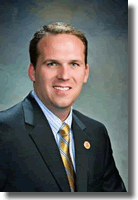
Kevin Payne
81% support rate
Top opponent
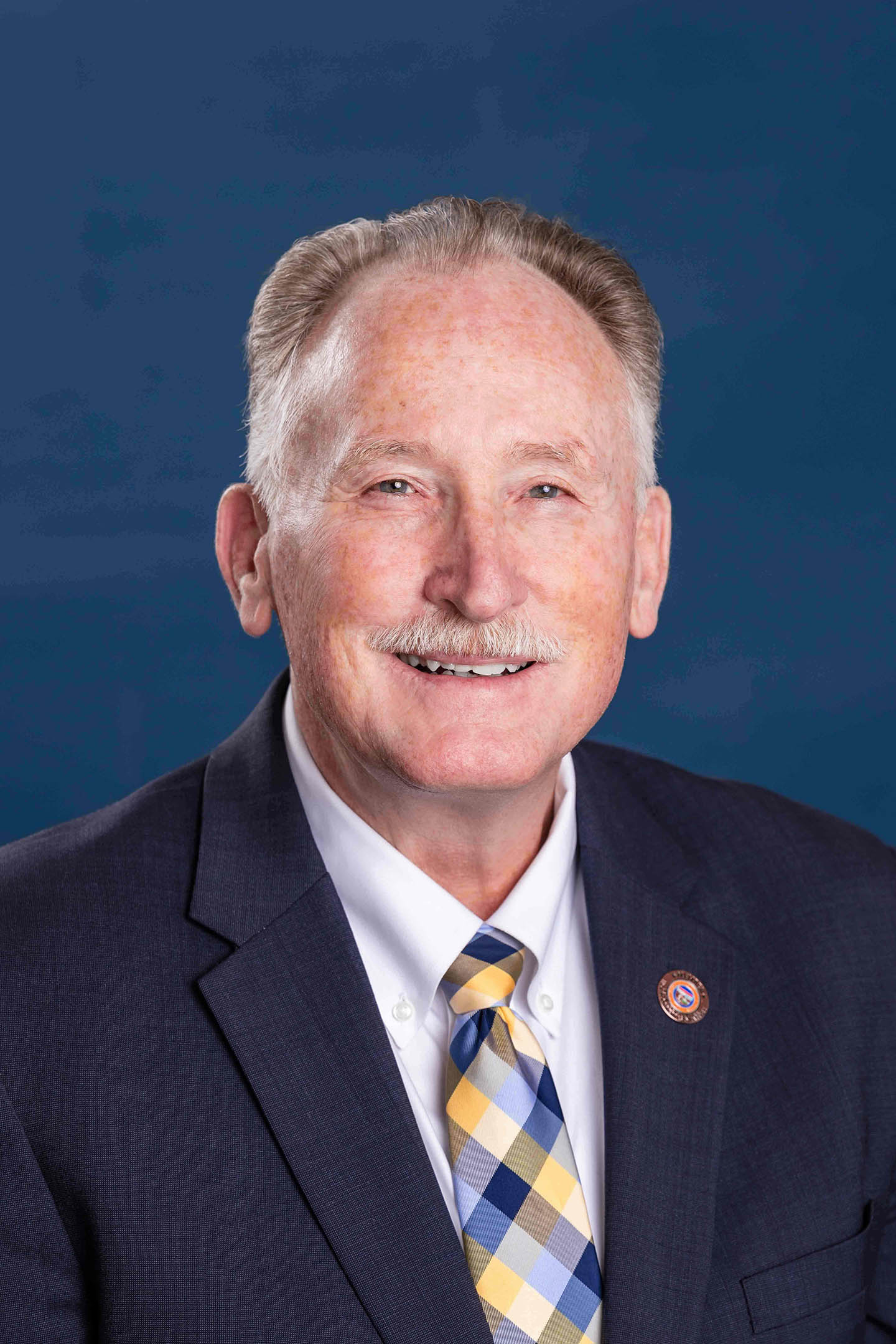
Michael Way
24% support rate
Ranked legislators
10
5 support · 5 oppose
Key legislators

Who's moving healthcare in Arizona

Legislators moving healthcare in Arizona
Legislator Party Stance Support rate Votes
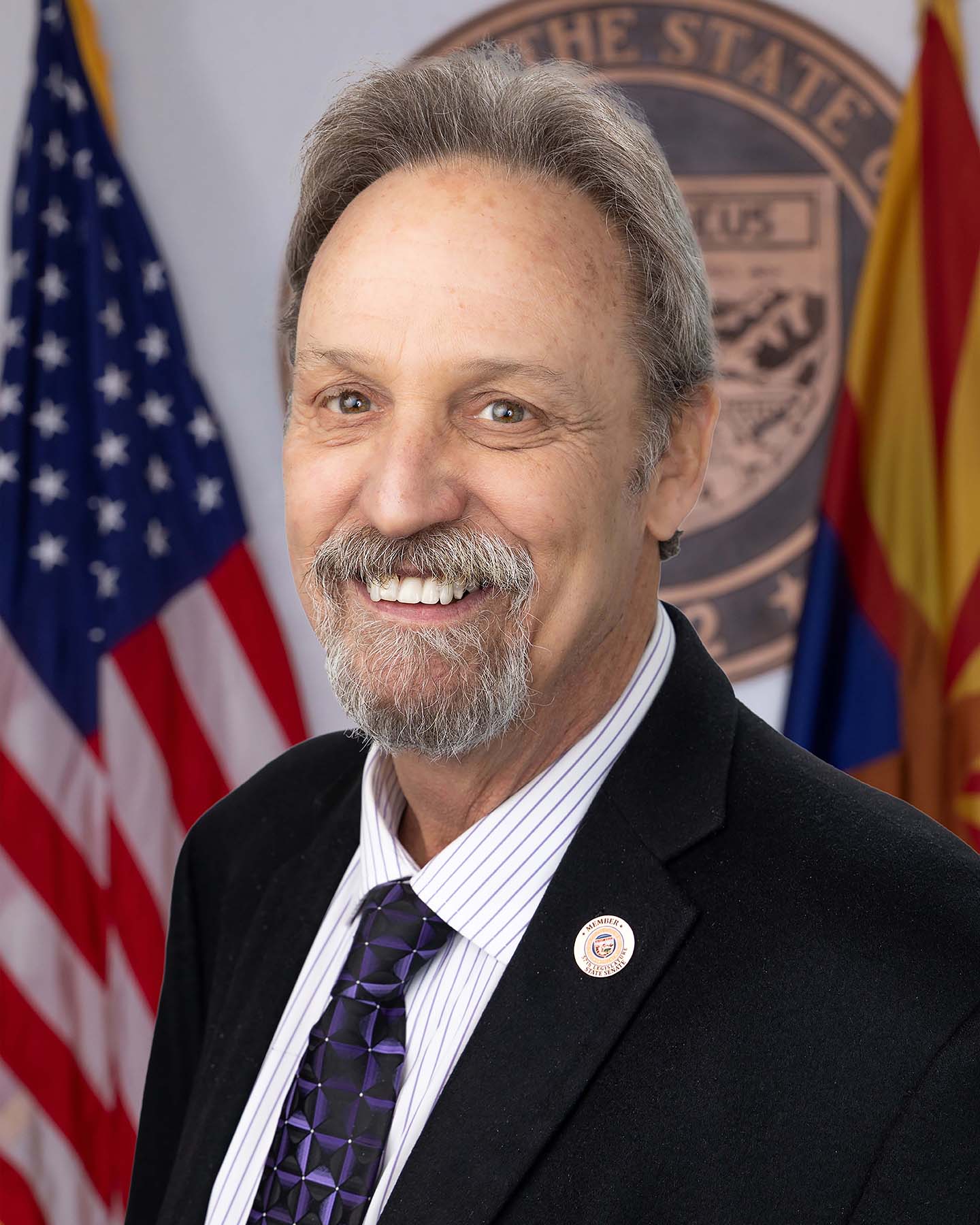
Kevin Payne
Kevin Payne Senate · District 27
R
Strong +
81% 164
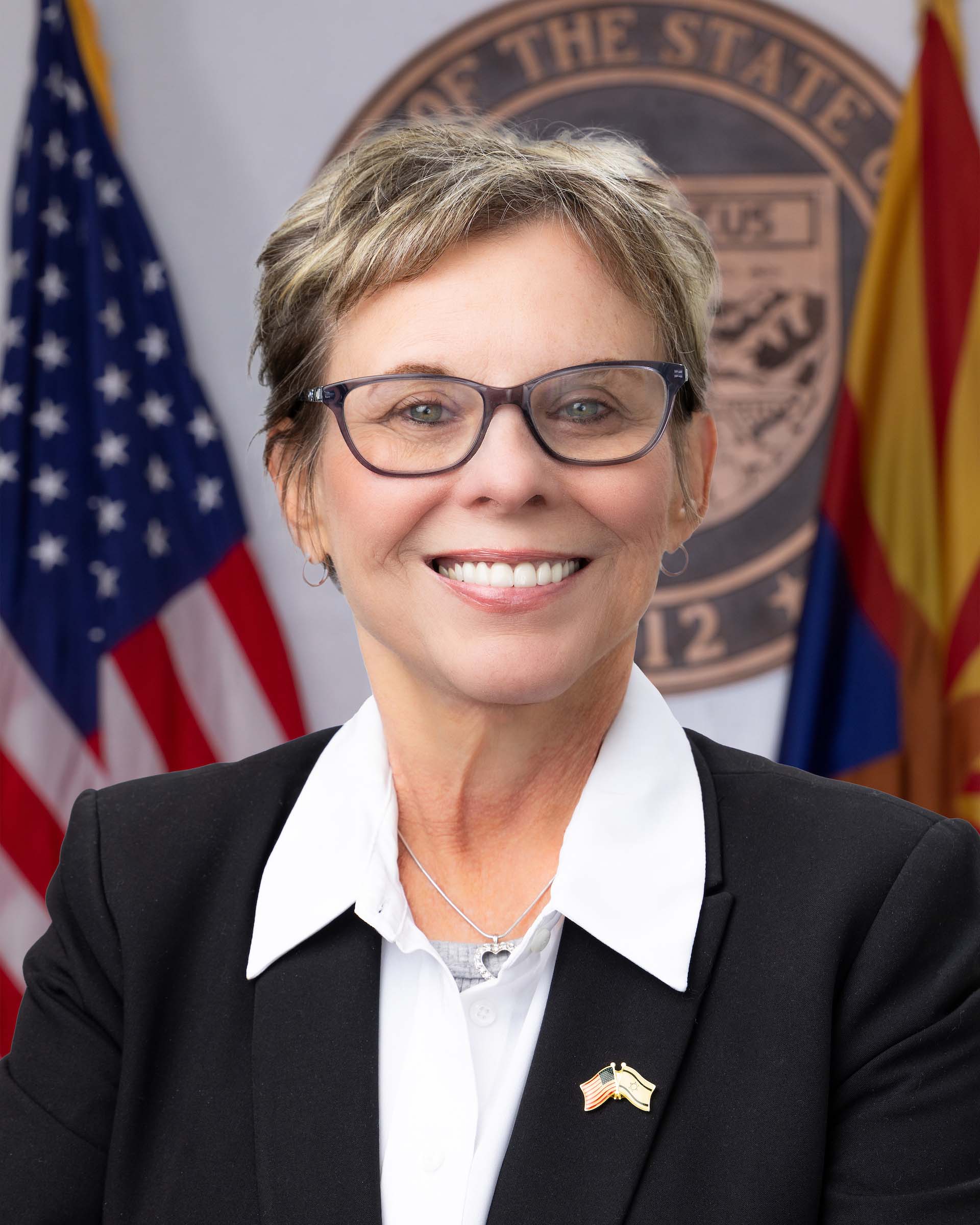
Hildy Angius
Hildy Angius Senate · District 30
R
Support
79% 178
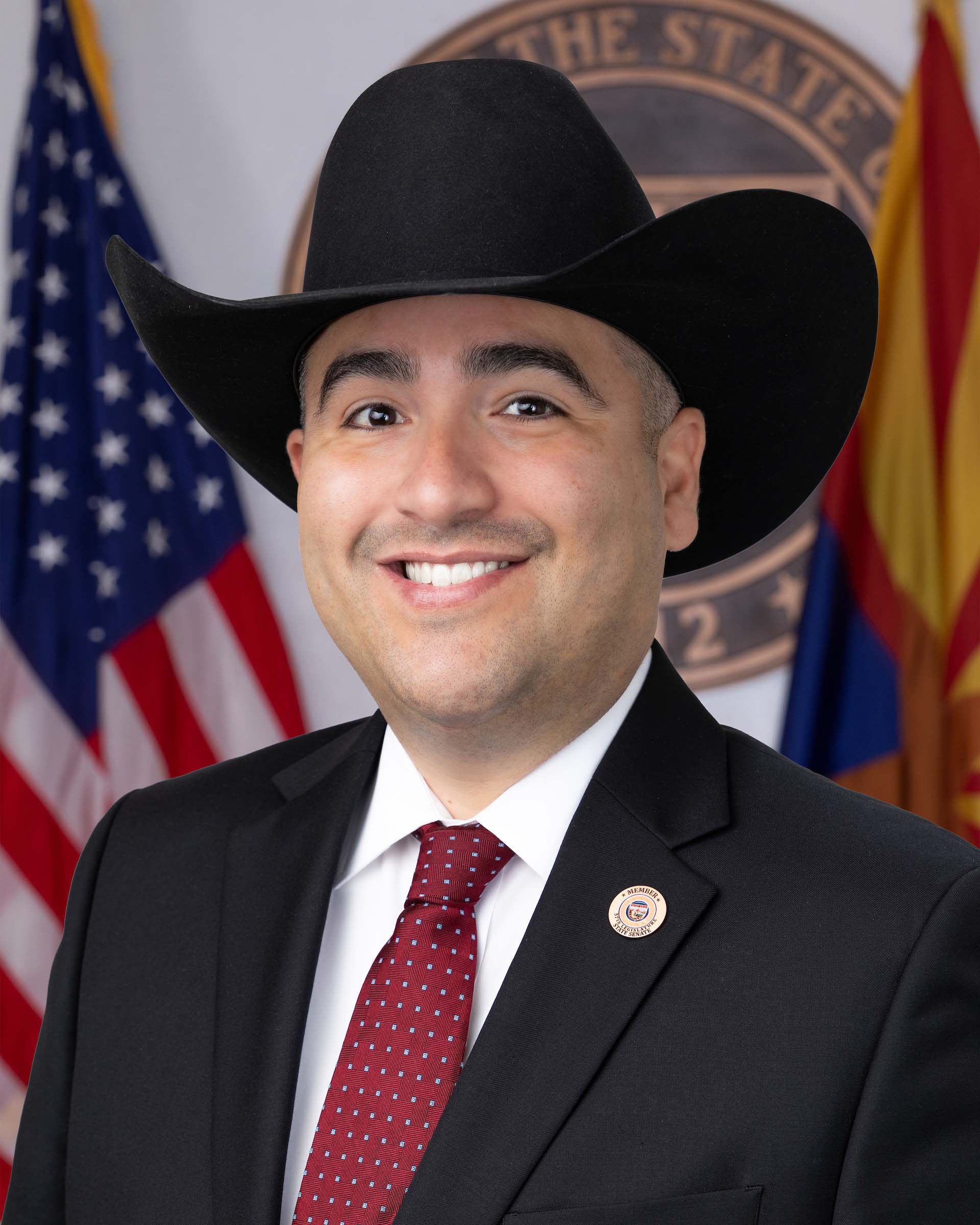
T.J. Shope
T.J. Shope Senate · District 16
R
Support
79% 179
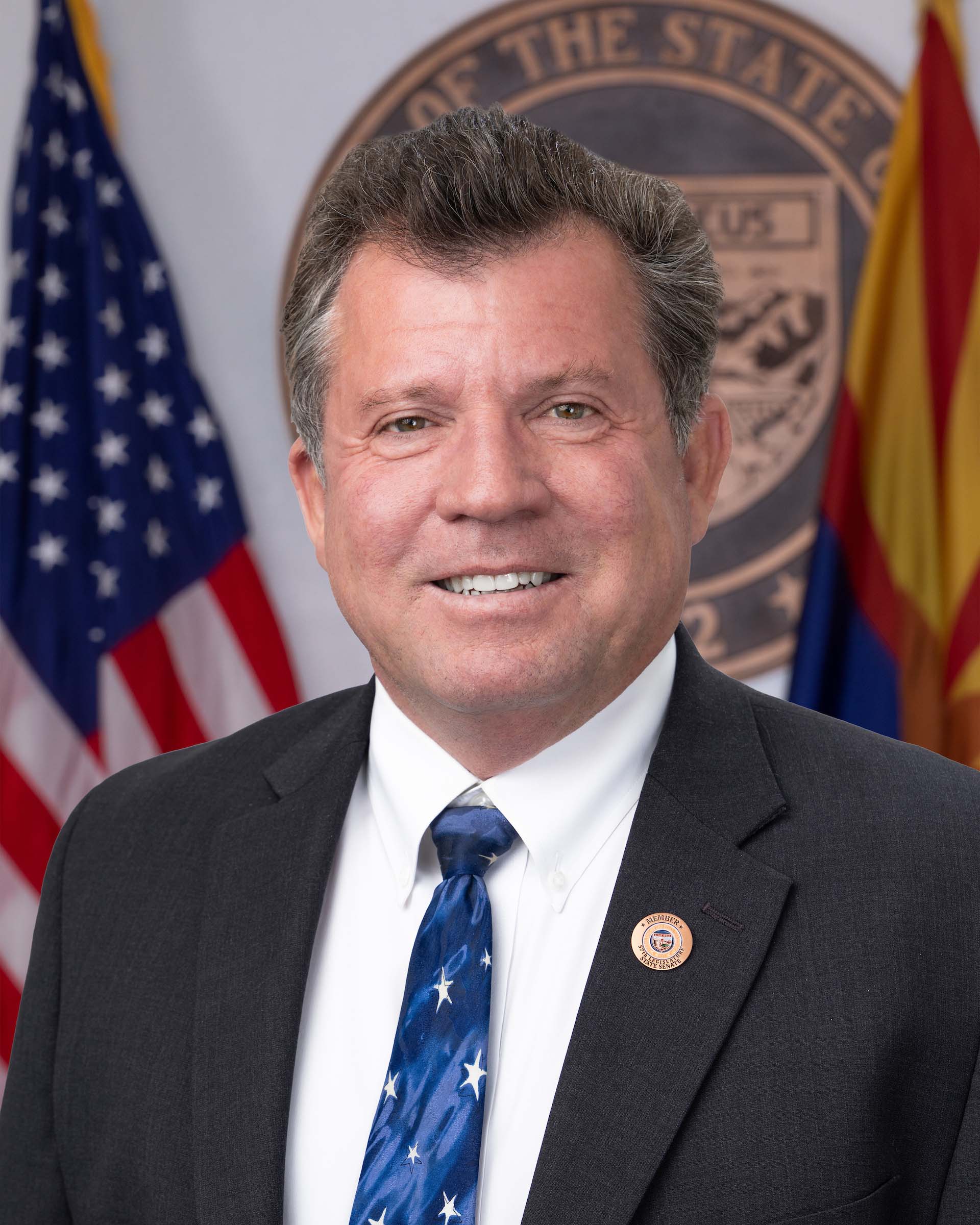
Vince Leach
Vince Leach Senate · District 17
R
Support
79% 179
Tim Dunn
Tim Dunn Senate · District 25
R
Support
79% 179
Michael Way
Michael Way House · District 15
R
Oppose
24% 223
Justin Olson
Justin Olson House · District 10
R
Oppose
27% 241
Khyl Powell
Khyl Powell House · District 14
R
Oppose
27% 241
Rachel Keshel
Rachel Keshel House · District 17
R
Oppose
28% 235
Alex Kolodin
Alex Kolodin House · District 3
R
Oppose
30% 238
Showing 91–100 of 298 bills

All healthcare bills

introduced · Arizona · House Jan 21, 2026

HB 2581: health insurance claims; consumer assistance

HB 2581 establishes a state-run health care claims consumer assistance program within Arizona's Department of Insurance to help individuals enrolled in or seeking health insurance plans. The program assists consumers with filing complaints, appeals, and resolving disputed claims against health insurers. Key provisions require insurers to pay double the amount of any wrongfully denied or underpaid claim (including attorney fees) and face civil penalties of at least $25,000 per violation for repeated denials. Insurers must report denial data to the department, and the department must publish annual public reports detailing claim denials, wrongful denials, and enforcement actions by insurer.
Sub-Topics Insurance
introduced · Arizona · Senate Feb 4, 2026

SB 1590: housing trust fund; unclaimed property.

SB 1590 redirects unclaimed property funds to specific trust funds. It requires 55% of these funds to go to Arizona's Housing Trust Fund, with 40% specifically for developing housing in rural areas. Additional allocations include $2 million annually to a fund for seriously mentally ill housing, $2.5 million to the general Housing Trust Fund, and $24.5 million annually to the Department of Revenue's administrative fund. The bill also specifies how other unclaimed property types (like shares, victim restitution, and insurance claims) must be handled and requires public record-keeping of claimant information. This directly affects housing development programs, mental health housing initiatives, and victim assistance funds through mandatory funding shifts.
signed · Arizona · Senate Jun 22, 2026

SB 1630: home; community-based services; mental illness

SB 1630 establishes a new Arizona Medicaid program providing home and community-based services for adults with serious mental illness, replacing institutional care when possible. It sets eligibility based on clinical criteria (like recent hospitalizations, medication complexity, or safety risks) and income limits (300% of federal SSI), with options for a qualified income trust to meet financial requirements. Covered services include personal care, medication management, supervised community living, adult day health, and nonemergency transportation. The program requires federal approval by 2027 and aims to support individuals in community settings while avoiding psychiatric hospital or residential facility placement.
introduced · Arizona · Senate Mar 10, 2026

SB 1295: inmates; medical institution; release

SB 1295 creates a process for releasing Arizona inmates who are elderly or disabled to medical facilities. It requires inmates to first pass a preliminary eligibility check (based on age, disability, citizenship, and residency), then receive approval from Arizona's long-term care system. The bill mandates that victims of the inmate's crime be notified of the release and provides a mechanism for returning inmates to prison if they lose long-term care eligibility. This directly affects inmates qualifying for Arizona's long-term care system, which includes assisted living facilities or healthcare institutions contracted with the state.
signed · Arizona · Senate Jun 22, 2026

SB 1215: firefighters; occupational disease; cancers

SB 1215 presumes that 23 specific cancers (including leukemia, lung cancer, lymphoma, and others) are work-related for firefighters and fire investigators who meet certain conditions. It applies to current and retired firefighters under 65 diagnosed with a covered cancer within 15 years of leaving service, provided they had no prior cancer at hire, served at least five years in hazardous duty, and passed pre-employment physicals. The presumption can be rebutted if tobacco use outside work contributed to respiratory cancers. This bill directly affects firefighters and fire investigators by simplifying claims for cancer-related disability or death under Arizona's workers' compensation system.
signed · Arizona · Senate Jun 19, 2026

SB 1235: EMS reciprocity; compact.

SB 1235 establishes Arizona's participation in the Emergency Medical Services (EMS) Licensure Interstate Compact. It allows licensed EMTs, AEMTs, and paramedics from Arizona (the "home state") to practice in other participating states ("remote states") without obtaining new licenses, provided Arizona meets specific standards like requiring the national NREMT exam for initial licensure and sharing adverse actions. The compact requires member states to verify competency, share license-related disciplinary information, and maintain systems for cross-state recognition. This directly affects Arizona-licensed EMS personnel seeking to work temporarily in other member states and state EMS authorities managing licensure verification.
Sub-Topics Medical Licensing Tags Public Safety
introduced · Arizona · Senate Jan 21, 2026

SB 1220: abortion; notarized consent; repeal

SB 1220 repeals the requirement that physicians obtain a **notarized written consent** from a parent or guardian before performing an abortion on an unemancipated minor in Arizona. This change directly affects minors seeking abortions who would previously have needed this notarized consent, removing that specific step while preserving existing judicial bypass options. The bill eliminates the confidentiality protections previously applied to notarized parental consent documents. It does not alter the existing judicial bypass process (where a minor can seek court approval without parental consent) or the exceptions for medical emergencies or incest.
Sub-Topics Women's Health
in committee · Arizona · Senate Feb 18, 2026

SB 1390: appropriation; mass casualty incident preparedness

SB 1390 appropriates $700,000 from Arizona's health services lottery fund for fiscal year 2026-2027 to support mass casualty incident preparedness. The funds will be distributed to a nonprofit organization in Arizona that previously received federal hospital preparedness funding through the Department of Health Services and focuses on coordinating emergency readiness across all community sectors. This bill directly affects eligible nonprofits with existing federal support for hospital preparedness, enabling them to maintain statewide coordination for mass casualty incidents. It does not create new policies but allocates existing lottery funds to strengthen emergency response planning. The bill is currently in early Senate stages with no further actions recorded.
introduced · Arizona · Senate Feb 4, 2026

SB 1637: dentists' responsibility; sedation; informed consent

SB 1637 amends Arizona law to clarify definitions related to dental sedation safety and informed consent. It defines key terms like "adverse event" (requiring emergency response during sedation), "qualified anesthesia provider" (specifying who can administer sedation), and "informed consent" requirements for sedation procedures. The bill directly affects dentists, dental hygienists, and other dental staff who administer sedation, ensuring consistent definitions for patient safety protocols. This definitional update helps enforce proper sedation practices and accountability in dental offices without changing current procedures.
introduced · Arizona · House Feb 16, 2026

HB 2182: emergency medical services; patient transport

HB 2182 regulates how Arizona emergency medical technicians (EMTs) handle patient transport decisions. It prohibits EMTs from giving patients a medical diagnosis to encourage declining transport (unless requested) or advising against transport outside approved programs. EMTs must now clearly explain the health risks of not being transported. The bill also clarifies that informing patients of their right to decline transport is permitted, unless done to coerce them. These rules apply directly to EMTs and patients in Arizona's emergency medical services system.
Showing 91 to 100 of 298 bills
Previous 1 9 10 11 30 Next