Issue · Healthcare

Healthcare

Every healthcare bill, vote, and legislator stance in Arizona, automatically classified by Maddy, our AI policy reader.

Total bills
298
57th Legislature - Second Regular Session
Top supporter
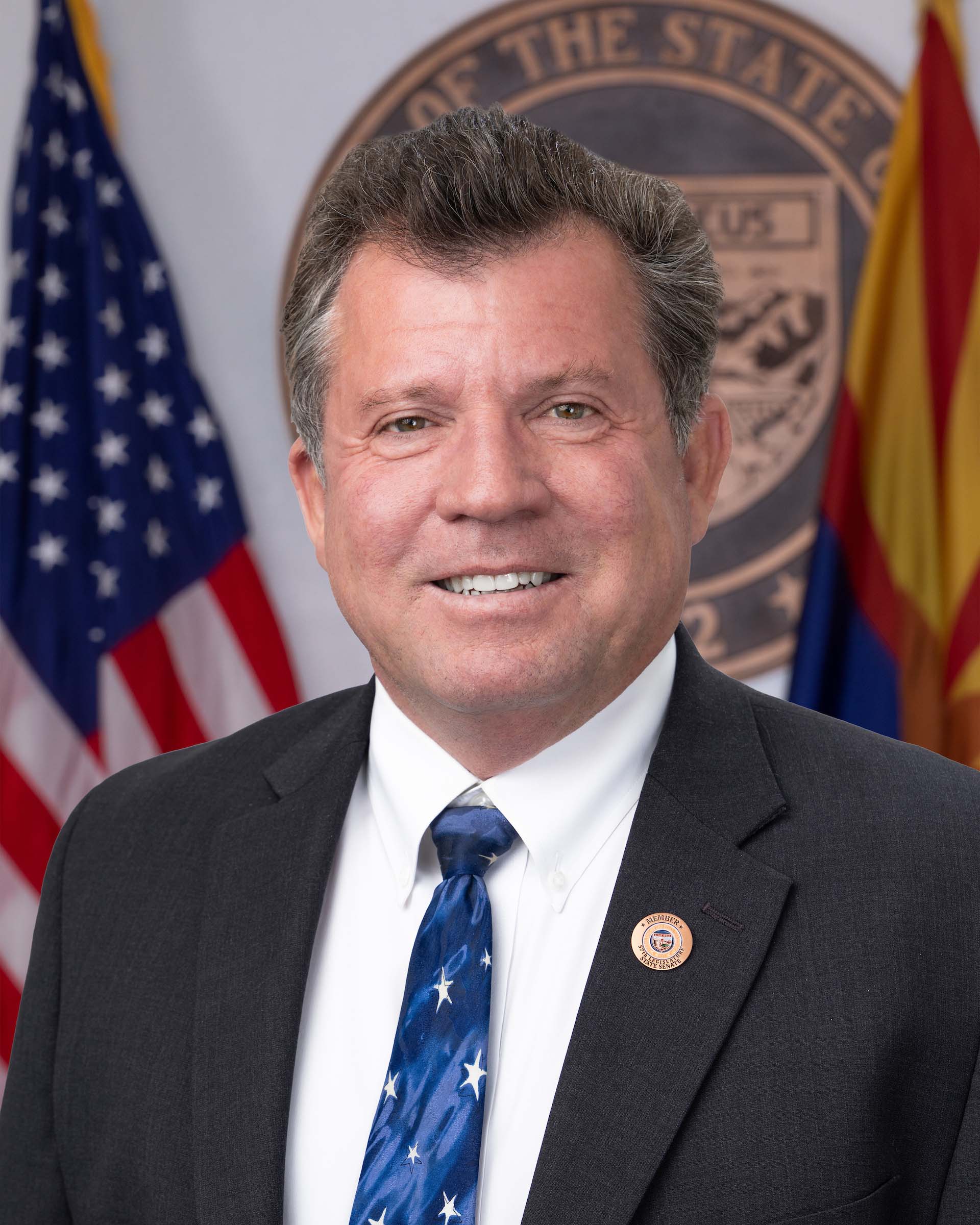
Kevin Payne
81% support rate
Top opponent
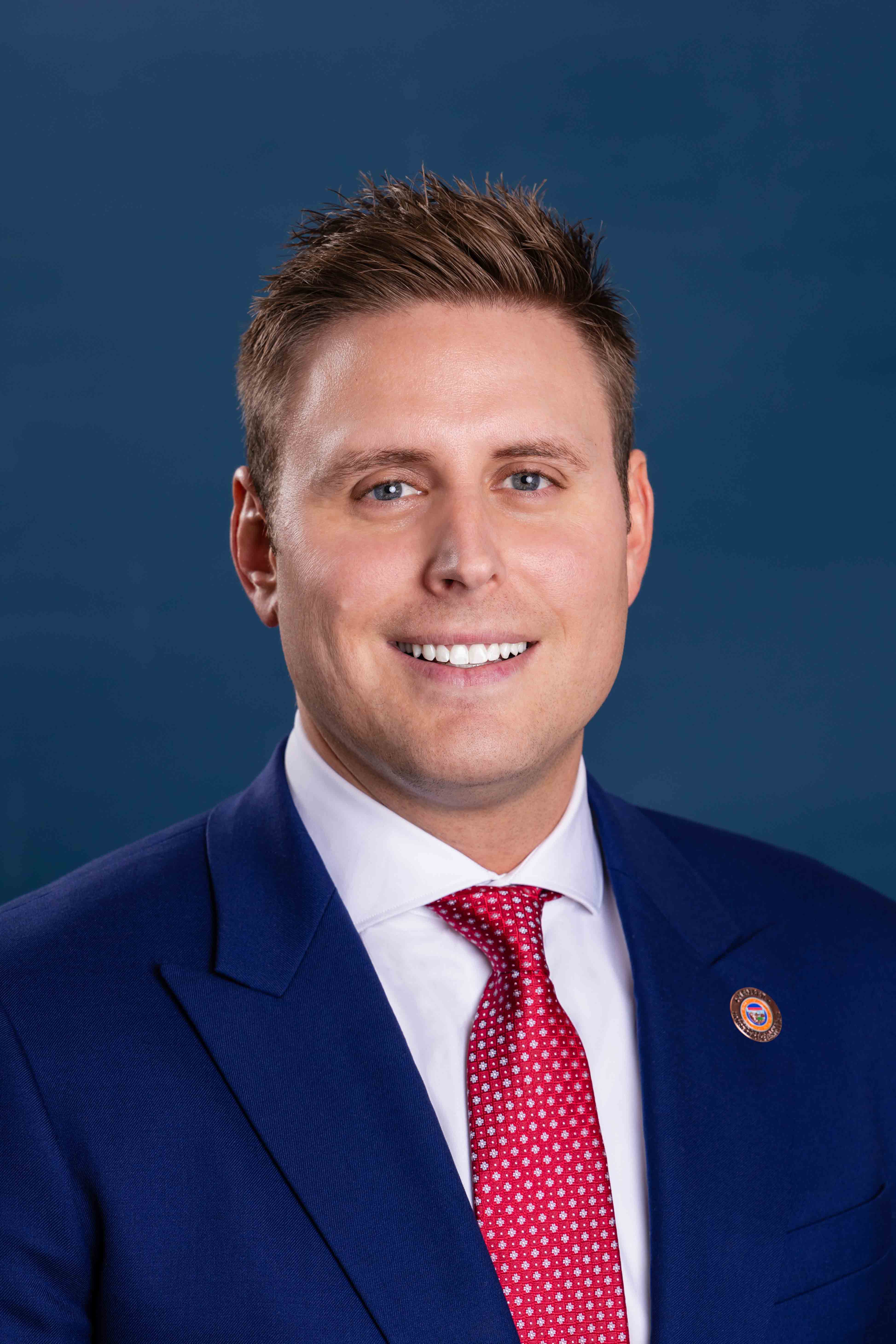
Michael Way
24% support rate
Ranked legislators
10
5 support · 5 oppose
Key legislators

Who's moving healthcare in Arizona

Legislators moving healthcare in Arizona
Legislator Party Stance Support rate Votes
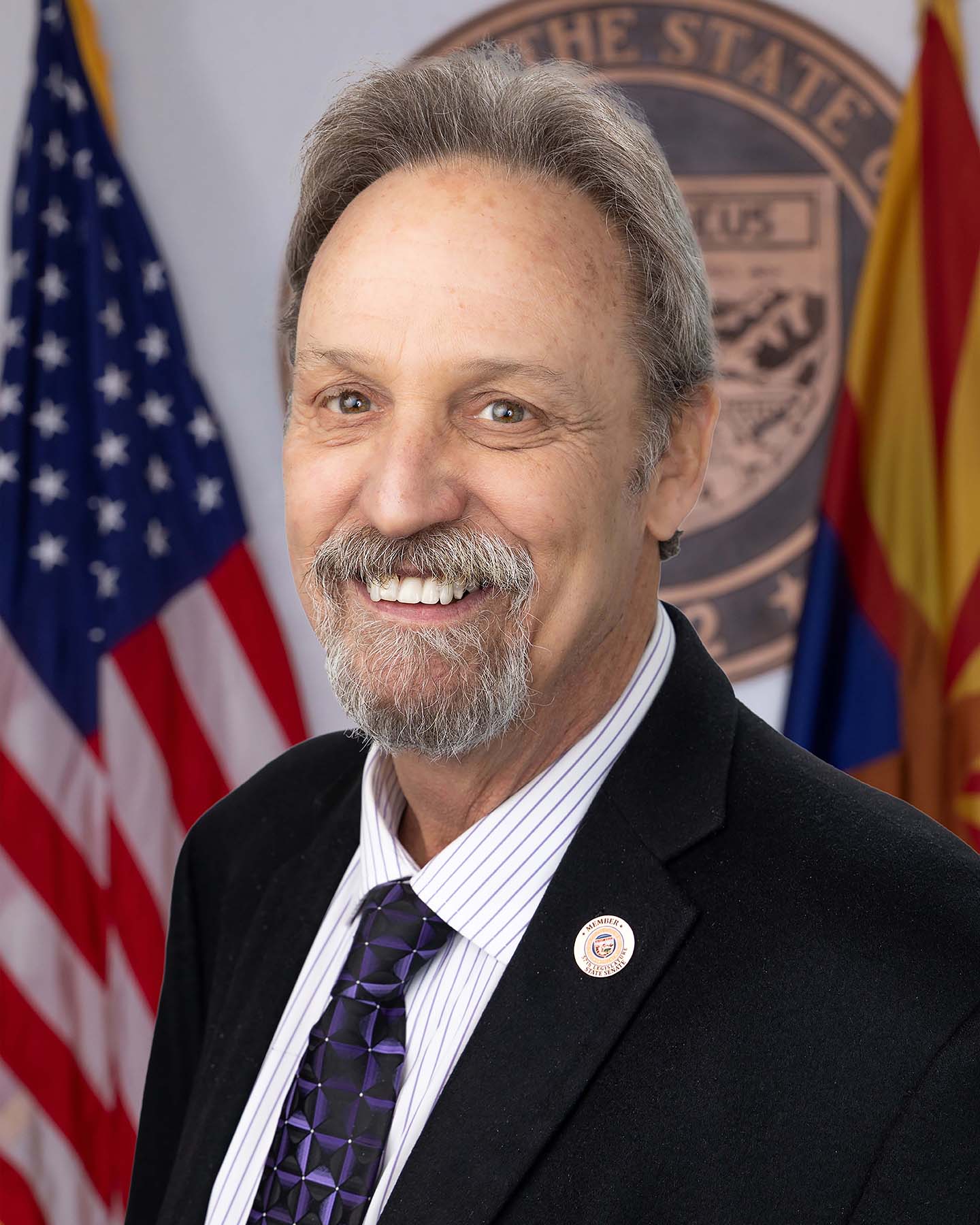
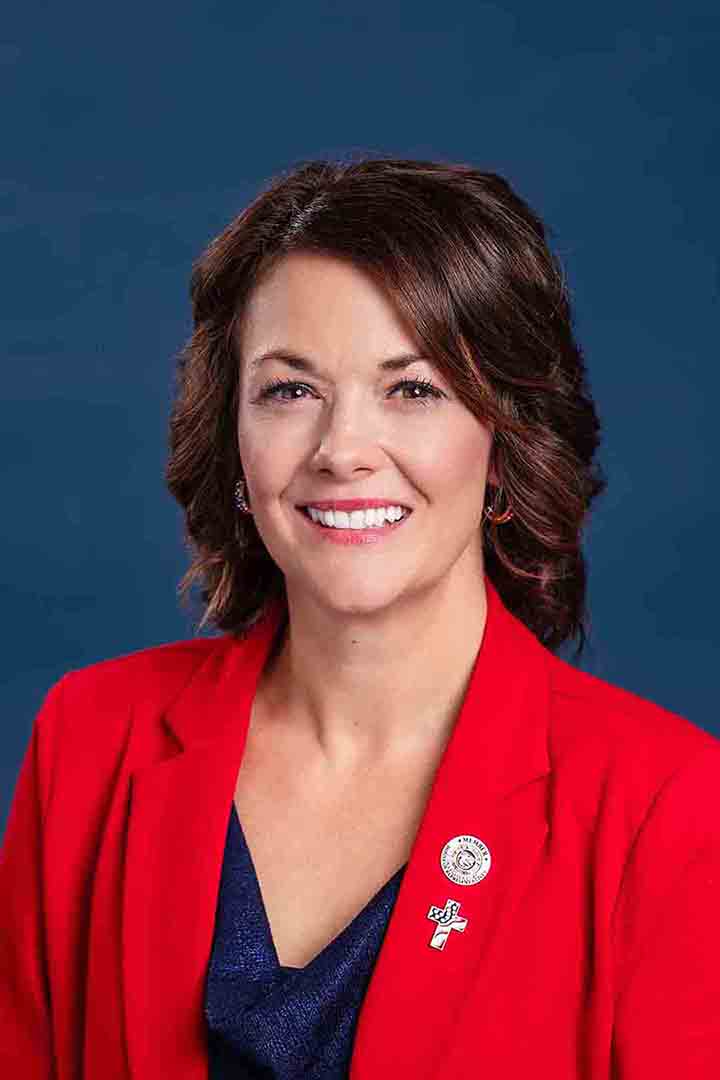
Kevin Payne
Kevin Payne Senate · District 27
R
Strong +
81% 164
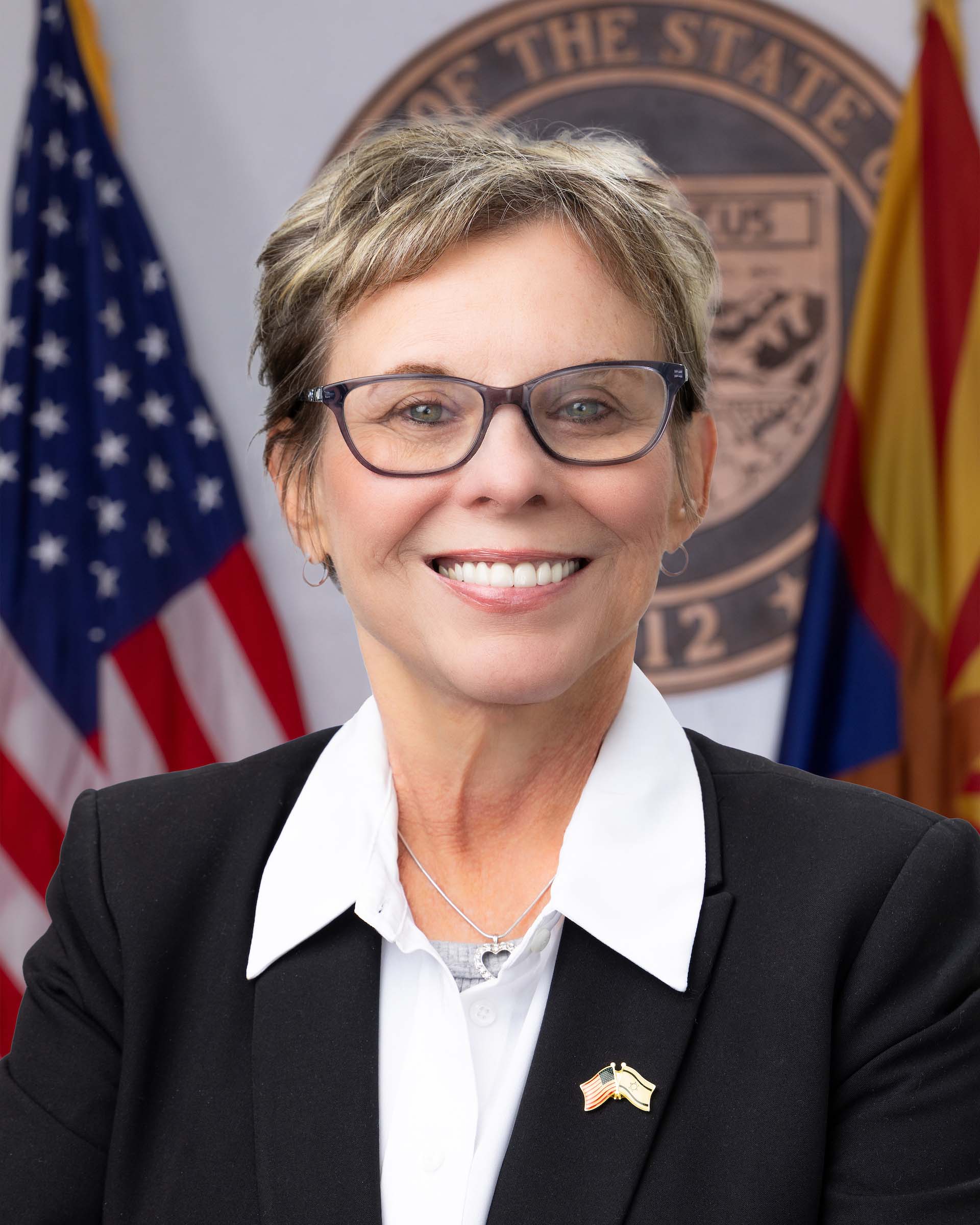
Hildy Angius
Hildy Angius Senate · District 30
R
Support
79% 178
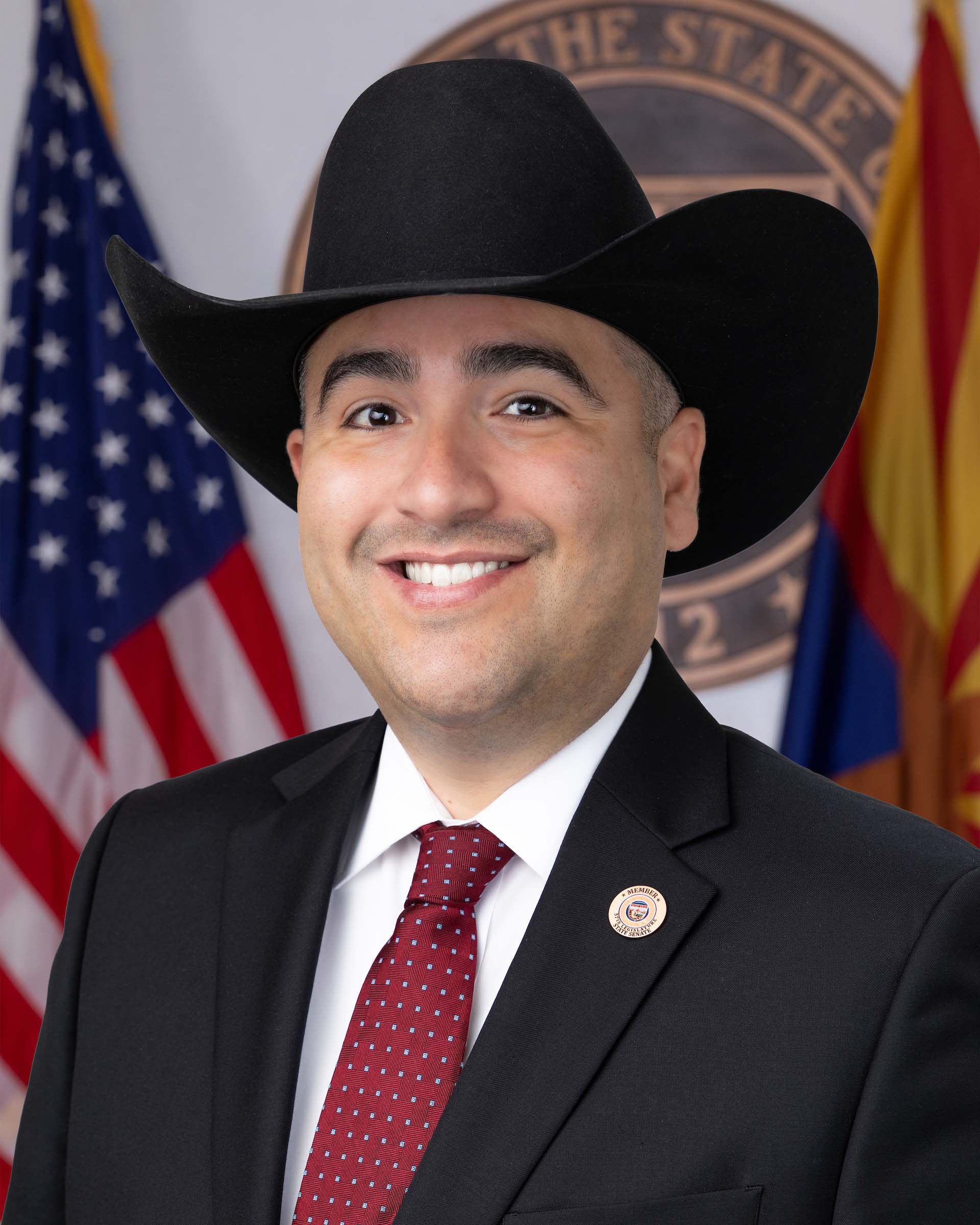
T.J. Shope
T.J. Shope Senate · District 16
R
Support
79% 179
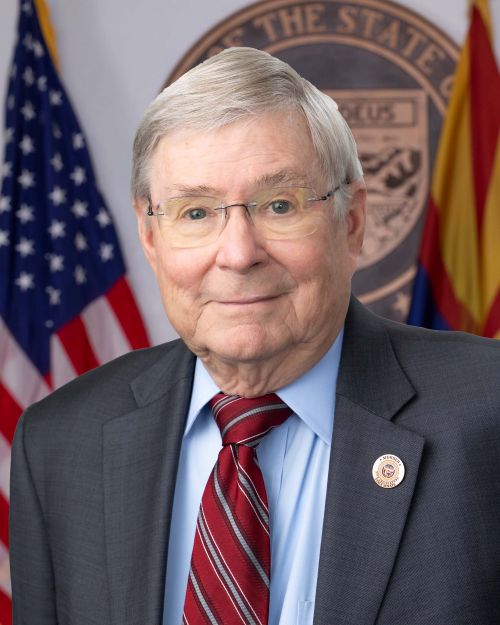
Vince Leach
Vince Leach Senate · District 17
R
Support
79% 179
Tim Dunn
Tim Dunn Senate · District 25
R
Support
79% 179
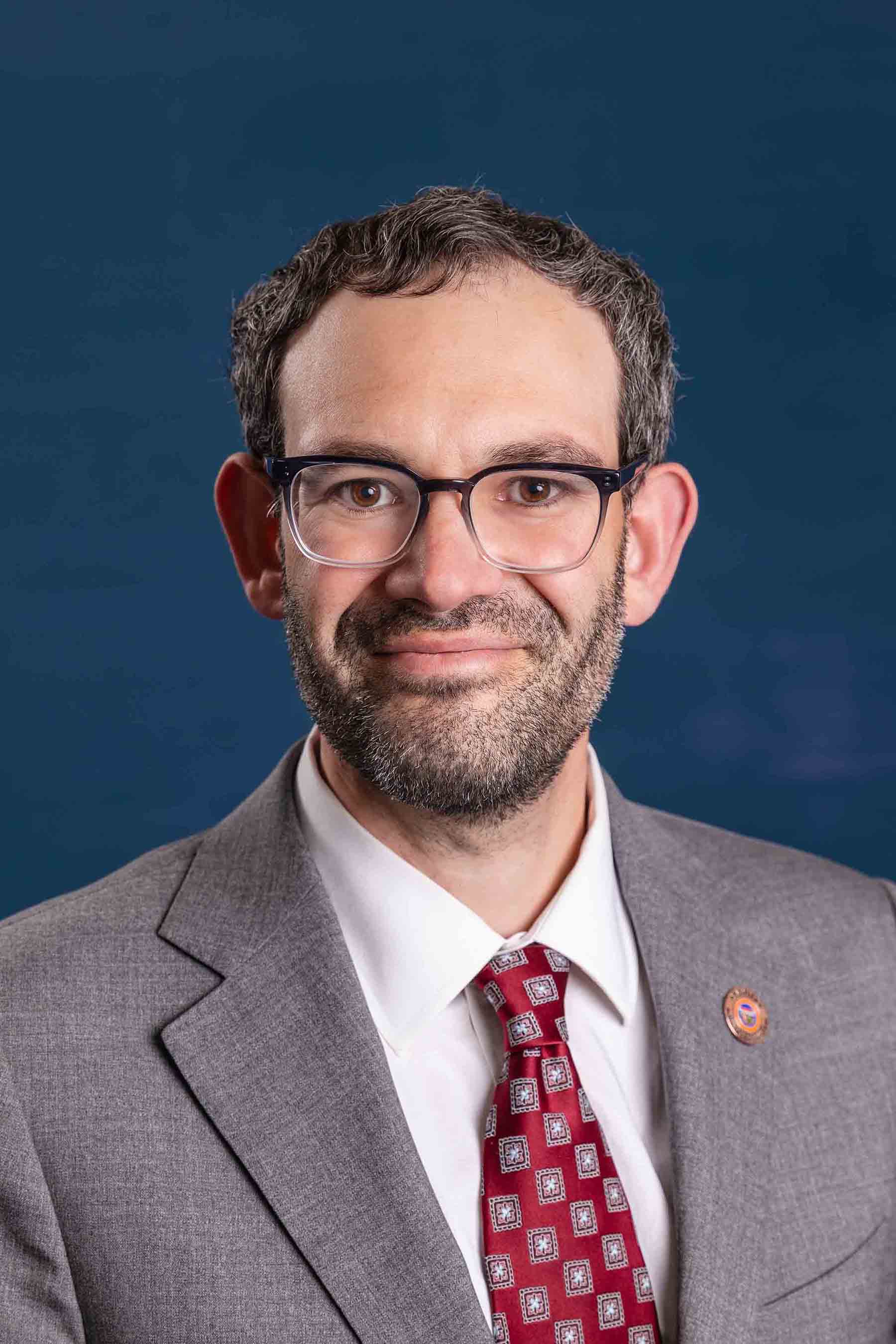
Michael Way
Michael Way House · District 15
R
Oppose
24% 223
Justin Olson
Justin Olson House · District 10
R
Oppose
27% 241
Khyl Powell
Khyl Powell House · District 14
R
Oppose
27% 241
Rachel Keshel
Rachel Keshel House · District 17
R
Oppose
28% 235
Alex Kolodin
Alex Kolodin House · District 3
R
Oppose
30% 238
Showing 41–50 of 298 bills

All healthcare bills

signed · Arizona · House Jun 19, 2026

HB 4010: genetic counselors; board; licensure

HB 4010 establishes a Board of Genetic Counselors in Arizona to license and regulate genetic counselors. The bill defines "genetic counseling" and requires practitioners to obtain a license from this new board, which will protect the public by setting standards for practice and handling disciplinary actions. The board will consist of five licensed genetic counselors, two public members, and two physician members who interact professionally with counselors. This law directly affects genetic counselors seeking to practice in Arizona and ensures they meet specific certification and conduct standards before providing services.
Sub-Topics Medical Licensing
introduced · Arizona · House Jan 27, 2026

HB 2881: attorney general; policies; immigration

HB 2881, the "Immigration Safe Zones Act," requires Arizona's Attorney General to create policies within 60 days that limit state agencies' cooperation with federal immigration enforcement. These policies must protect 8 specific public facilities - including public schools, community colleges, libraries, courts, and publicly funded healthcare centers - from being used for immigration enforcement and ensure they remain accessible to all residents regardless of immigration status. The bill also mandates that state agencies remove any questions about citizenship or immigration status from forms related to benefits, services, or education within 60 days. These policies must include constitutional safeguards like warrant requirements for searches and prevent unreasonable government actions targeting individuals based on immigration status.
introduced · Arizona · Senate Jan 27, 2026

SB 1353: monitoring program; fish contaminants; appropriation

SB 1353 establishes a state fish contaminant monitoring program to test sport fish for pesticides and metals in all Arizona waters supporting recreation. It requires the Department of Environmental Quality to monitor all such waters every three years (with extra focus on urban areas), conduct annual screenings for new contamination risks, and partner with the Department of Health Services to assess health risks based on fish consumption data. The program mandates health advisories and multilingual signage (English/Spanish) at fishing sites when contaminants pose significant risks, including posting warnings in Arizona Game and Fish regulations. The bill appropriates $500,000 for this program in fiscal year 2026-2027, directly affecting Arizonans who consume locally caught sport fish, especially in urban communities.
Sub-Topics Appropriations
introduced · Arizona · Senate Jan 28, 2026

SB 1409: feminine hygiene products; school; appropriation

SB 1409 requires Arizona public schools serving grades 6-12 to provide free tampons and sanitary napkins in all women's and gender-neutral restrooms. It directly affects school districts and charter schools, mandating they make these products available without charging students or families. The bill allocates $2.5 million from the state general fund in fiscal year 2026-2027 to the Department of Education for distribution to schools to cover the costs. This is a concrete policy change ensuring access to essential hygiene products in school settings.
in committee · Arizona · House Feb 16, 2026

HB 2828: nurse home visitor grant program

HB 2828 creates a state grant program to fund nurse home visitor services for low-income pregnant women and their children up to age two. The Arizona Department of Child Safety will award annual grants to eligible organizations (like nonprofits, tribal nations, or county agencies) that provide voluntary, evidence-based services including health screenings, parenting support, referrals to services, and job resources. Organizations must use federally vetted models proven to reduce child maltreatment and improve maternal/child health outcomes. The program requires grantees to track participant data and submit annual reports on service delivery, with $6 million allocated for fiscal 2026-2027.
signed · Arizona · House Jun 4, 2026

HB 2096: forgivable financial assistance; cesspool remediation

HB 2096 creates a program for Arizona counties to receive **forgivable financial assistance** from the Water Infrastructure Finance Authority to remediate cesspools posing risks to water quality, groundwater, or public health. It directly affects counties with high-risk cesspools, prioritizing projects in groundwater vulnerability zones, near surface waters, or in low-to-moderate income communities. Key provisions include: forgivable principal (no repayment required) for replacing cesspools with approved on-site systems or sewer connections, no voter approval needed for this assistance (unlike standard loans), and mandatory coordination with the Department of Environmental Quality. Counties must use funds exclusively for eliminating existing cesspools and cannot apply income-based eligibility to abandoned properties. The bill is proposed legislation (prefiled in 2025) and not yet enacted.
passed · Arizona · Senate Mar 16, 2026

SB 1179: group home monitoring program; continuation

SB 1179 extends Arizona’s developmental disabilities group home monitoring program to continue monitoring group homes serving residents with complex needs (defined as those with dual psychiatric and developmental disabilities causing disruptive or harmful behaviors). Starting January 2026, a designated advocacy entity will conduct in-person checks to verify residents receive their care plans, including medication, behavioral support, and dietary needs, while ensuring staff competency and family involvement. The program requires monthly reports to the state department, quarterly department responses, and annual reviews by legislators to assess quality of care and determine future funding. This directly affects group homes, residents with complex needs, and the designated advocacy entity conducting the monitoring.
Sub-Topics Mental Health
introduced · Arizona · Senate Feb 4, 2026

SB 1605: appropriation; area agencies on aging

SB 1605 allocates $5 million in state funds for home and community-based services and $5 million for senior housing assistance to area agencies on aging in Arizona. These funds, distributed through the Department of Economic Security, directly support services for seniors in the state, including in-home care and housing support. The bill provides specific funding amounts for existing programs without creating new eligibility rules or altering service requirements. It is a straightforward appropriations measure focused on financing current senior services.
Sub-Topics Appropriations Long-Term Care Tags Seniors
introduced · Arizona · Senate Jan 26, 2026

SB 1310: dentists; dental hygienists; compact

SB 1310 establishes a "dentist and dental hygienist compact" that allows licensed professionals in one participating state to practice in other participating states without obtaining a full license in each state. The compact creates a streamlined pathway for dentists and dental hygienists to work across state lines, requiring participating states to share disciplinary and licensing information while ensuring practitioners follow the scope of practice rules of the state they serve. It specifically aims to improve access to dental care, address workforce shortages, and support active military members and their spouses who need to relocate with their licenses. The bill also requires states to maintain public safety through shared oversight without altering existing licensure requirements.
signed · Arizona · House Apr 1, 2026

HB 2072: lactation care providers; certification

HB 2072 establishes a voluntary certification program for lactation care providers in Arizona. It creates a "state-certified lactation care provider" designation requiring applicants to hold an existing approved certification (like IBCLC or indigenous certification), meet age and fingerprinting requirements, and pay fees. The Department of Health Services will administer the program, including setting scope of practice standards and handling renewals, while the bill explicitly states certification is not mandatory for practice. The law also prohibits government preference for certified providers in public contracts and creates an advisory committee of lactation providers to assist with rule development.
Showing 41 to 50 of 298 bills
Previous 1 4 5 6 30 Next