Issue · Healthcare

Healthcare

Every healthcare bill, vote, and legislator stance in Arizona, automatically classified by Maddy, our AI policy reader.

Total bills
272
57th Legislature - Second Regular Session
Top supporter
Kevin Payne
81% support rate
Top opponent
Michael Way
24% support rate
Ranked legislators
10
5 support · 5 oppose
Key legislators

Who's moving healthcare in Arizona

Legislators moving healthcare in Arizona
Legislator Party Stance Support rate Decisive votes
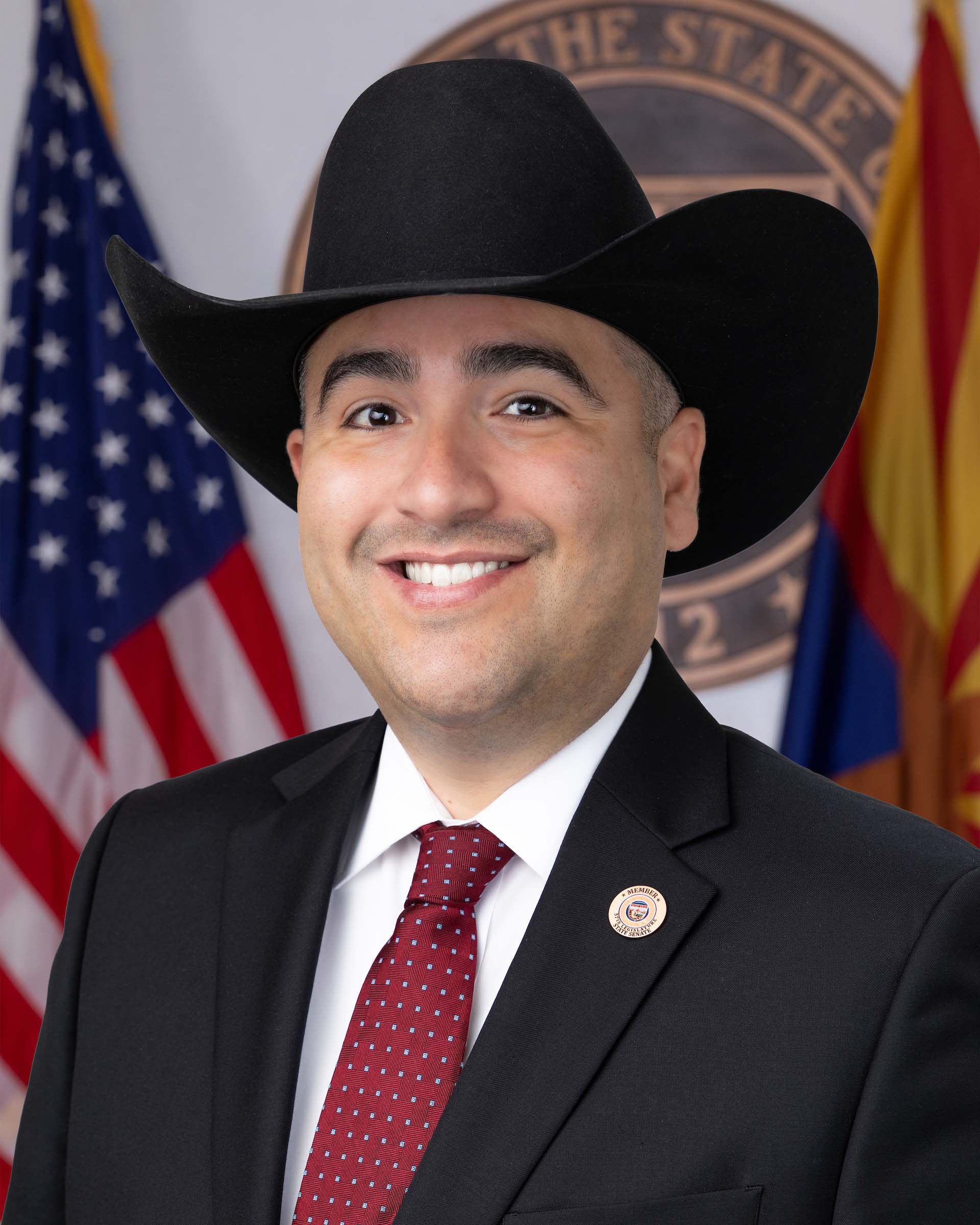
Kevin Payne
Kevin Payne Senate · District 27
R
Strong +
81% 73
Hildy Angius
Hildy Angius Senate · District 30
R
Support
79% 78
T.J. Shope
T.J. Shope Senate · District 16
R
Support
79% 78
Tim Dunn
Tim Dunn Senate · District 25
R
Support
79% 78
Vince Leach
Vince Leach Senate · District 17
R
Support
79% 78
Michael Way
Michael Way House · District 15
R
Oppose
24% 82
Justin Olson
Justin Olson House · District 10
R
Oppose
27% 92
Khyl Powell
Khyl Powell House · District 14
R
Oppose
27% 92
Rachel Keshel
Rachel Keshel House · District 17
R
Oppose
28% 87
Alex Kolodin
Alex Kolodin House · District 3
R
Oppose
30% 90
Showing 131–140 of 272 bills

All healthcare bills

signed · Arizona · Senate Jun 19, 2026

SB 1243: court-ordered treatment; guardians; notice; release

SB 1243 updates Arizona's rules for releasing patients from court-ordered mental health treatment. It requires medical directors of treatment agencies to notify guardians, courts, and certain relatives or victims at least 10 days before releasing patients who no longer need inpatient care. For patients treated as dangers to others (under Section 13-4517), the bill mandates additional notice to prosecutors and courts at least 5 days prior to release. This affects patients in court-ordered treatment, their guardians, mental health agencies, and the courts overseeing these cases.
passed · Arizona · Senate Mar 18, 2026

SB 1131: cardiac emergency response plans; schools

SB 1131 requires all Arizona public schools to adopt a cardiac emergency response plan by August 1, 2027, directly affecting school personnel and students by mandating clear protocols for cardiac emergencies. The plan must include a trained response team, evidence-based protocols, specific guidelines for placing and maintaining AEDs (automated external defibrillators) to ensure accessibility within three minutes, and procedures to notify emergency services of AED locations. The state allocates $1 million in funding to support implementation, prioritizing schools where at least 50% of students qualify for free or reduced lunch, with schools also permitted to use donations for AEDs and training. This focuses on concrete, actionable steps to improve emergency response on school grounds.
introduced · Arizona · House Feb 5, 2026

HB 2965: covered entities; 340B drugs; distribution

Arizona's HB 2965 prohibits drug manufacturers or their agents from restricting access to 340B drugs for qualified healthcare providers (like safety-net hospitals and clinics), or requiring extra data sharing beyond federal requirements. The bill bans actions such as denying drug deliveries, imposing unfair restrictions, or demanding unnecessary claims data as a condition for 340B drug access. Violations can be enforced by the state board or attorney general, with penalties per package. The law explicitly aligns with federal 340B program rules and does not override federal law or create private lawsuits.
introduced · Arizona · House Feb 5, 2026

HB 2964: cancer screening; coverage; gene mutation

HB 2964 requires Arizona health insurers to cover specific cancer-related genetic services without cost-sharing (like deductibles or copays) starting January 1, 2027. It applies to hospital service corporations, health care services organizations, and disability insurers, directly affecting subscribers, enrollees, and insureds who have a personal or family history of cancer or inherited gene mutations. The bill mandates coverage for genetic counseling, testing (including BRCA and Lynch syndrome tests), and cancer risk assessments when recommended by a health care provider following National Comprehensive Cancer Network guidelines. This ensures access to inherited cancer risk testing without financial barriers for eligible individuals.
Sub-Topics Hospitals
introduced · Arizona · House Jan 27, 2026

HB 2717: sexual assault survivors; rights

HB 2717 establishes new rights for sexual assault survivors in Arizona, directly affecting individuals reporting sexual assault and the medical/legal professionals who interact with them. The bill creates confidentiality for communications between survivors and sexual assault victim advocates (requiring advocates to complete 30 hours of training), prohibits charging survivors for medical exams, and guarantees survivors the right to consult an advocate during medical exams or police interviews. It also mandates that survivors be informed of their rights in writing before exams or interviews, restricts the use of sexual assault kits against survivors for unrelated offenses, and requires medical providers to notify law enforcement within 48 hours of collecting evidence. The law aims to protect survivors' privacy and ensure they receive support during sensitive medical and legal processes.
introduced · Arizona · House Feb 3, 2026

HB 2945: coverage; family and medical leave

HB 2945 establishes Arizona's first state-administered family and medical leave insurance program, effective January 1, 2029. It provides wage replacement benefits for eligible workers needing time off for reasons including childbirth/adoption, caring for a family member with a serious health condition, pregnancy recovery, military family needs, or safe leave due to domestic violence, sexual violence, abuse, or stalking. The program guarantees up to 26 weeks of benefits for pregnancy or inpatient health conditions and up to 24 weeks for other qualifying reasons, with employers required to provide at least 12 weeks of leave. Benefit payments must begin within two weeks of a claim and continue every two weeks, applying to both employees and self-employed individuals who meet the defined eligibility criteria.
passed · Arizona · House Mar 17, 2026

HB 2444: pharmacists; independent testing; treatment

HB 2444 allows Arizona pharmacists to independently order, perform, and interpret certain FDA-waived tests (like flu, strep, or COVID-19 tests) and initiate treatment for specific conditions - including influenza, strep throat, HIV prevention, and other public health threats - without a physician's direct order. It directly affects pharmacists (who gain new clinical authority) and patients aged six or older who need treatment for those conditions. Key provisions require pharmacists to follow a statewide protocol covering documentation, referrals, patient screening, and evidence-based guidelines, while mandating notification to a patient’s primary care provider within 72 hours of treatment. The bill also prohibits pharmacists from prescribing opioids or treating minors without parental consent.
introduced · Arizona · Senate Jan 28, 2026

SB 1404: provider benefits; employees; injuries; provider

This Arizona bill (SB 1404) amends workers' compensation rules to give injured workers more control over their medical care. It allows injured workers to choose their medical provider, pharmacy, and ancillary services (like lab tests and medical equipment) without employer or insurer interference. The bill also requires translation services for language needs (using certified translators when possible), covers travel costs over 25 miles for medical appointments, and sets clear timelines for benefit payments (first payment within 21 days, then weekly or monthly). These changes directly affect injured workers seeking workers' compensation benefits in Arizona.
failed · Arizona · Senate Jun 11, 2026

SB 1100: patient rights; health care services

SB 1100 establishes new patient rights in Arizona, requiring health professionals to act in the patient's best interest, avoid causing harm, and obtain informed consent for non-emergency medical procedures. The bill defines "health professional" and "patient" to clarify who is covered by these requirements. It directly affects all patients receiving health care services in Arizona and the health care providers delivering those services. The law mandates informed consent for treatments and procedures (excluding emergencies), setting clear standards for patient-centered care.
introduced · Arizona · Senate Jan 27, 2026

SB 1296: health insurance; private employers; coverage

This bill allows private employers and individuals not employed by the state to join Arizona's state health care plans. It directly affects private businesses and self-employed individuals seeking state-sponsored health coverage. The key provision authorizes the Department of Administration to create rules for implementing the program, though the bill itself doesn't specify plan details or costs. The legislation focuses on expanding access to state health plans without mandating employer participation.
Sub-Topics Insurance
Showing 131 to 140 of 272 bills
Previous 1 … 13 14 15 … 28 Next