Issue · Healthcare

Healthcare

Every healthcare bill, vote, and legislator stance in Arizona, automatically classified by Maddy, our AI policy reader.

Total bills
298
57th Legislature - Second Regular Session
Top supporter
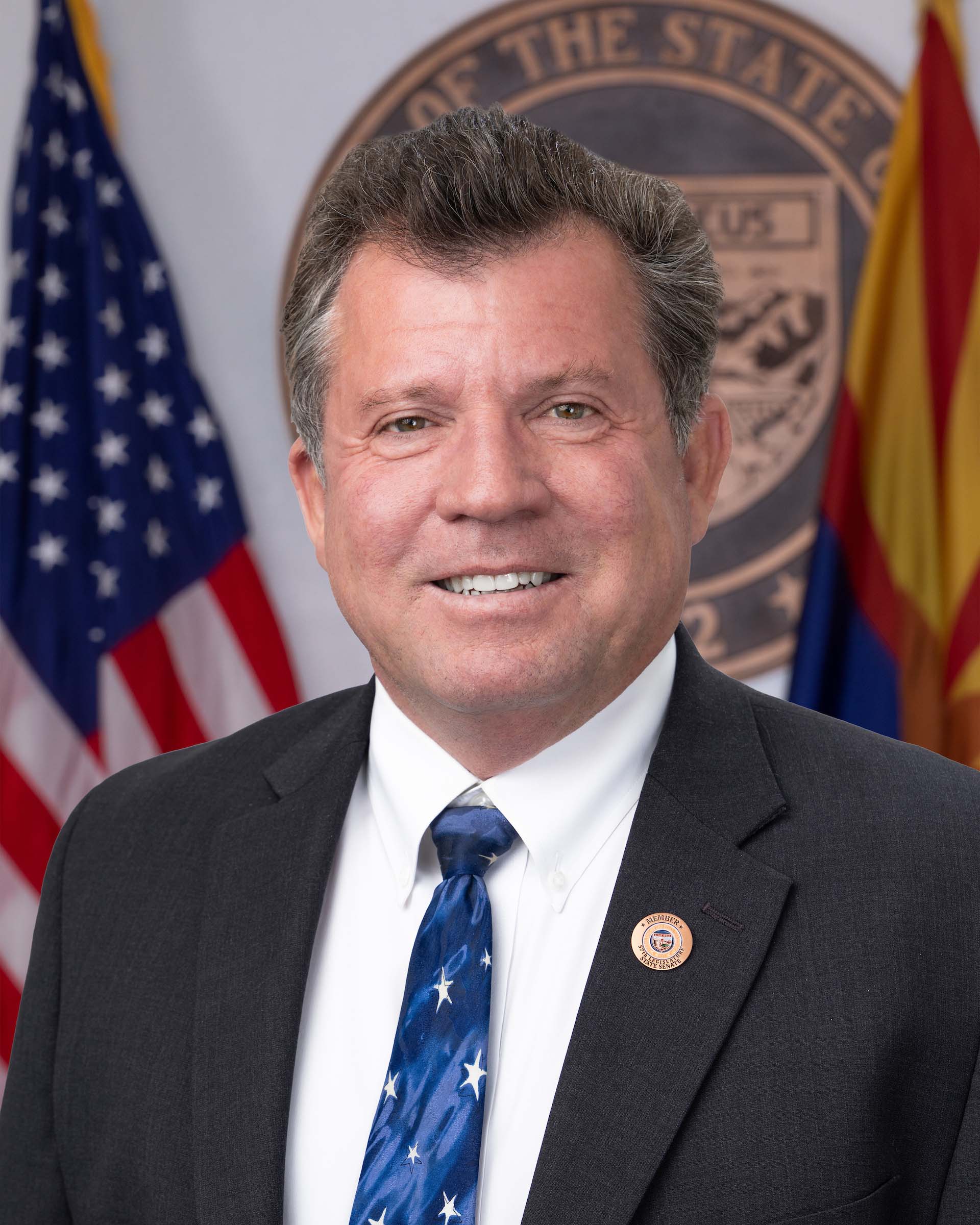
Kevin Payne
81% support rate
Top opponent
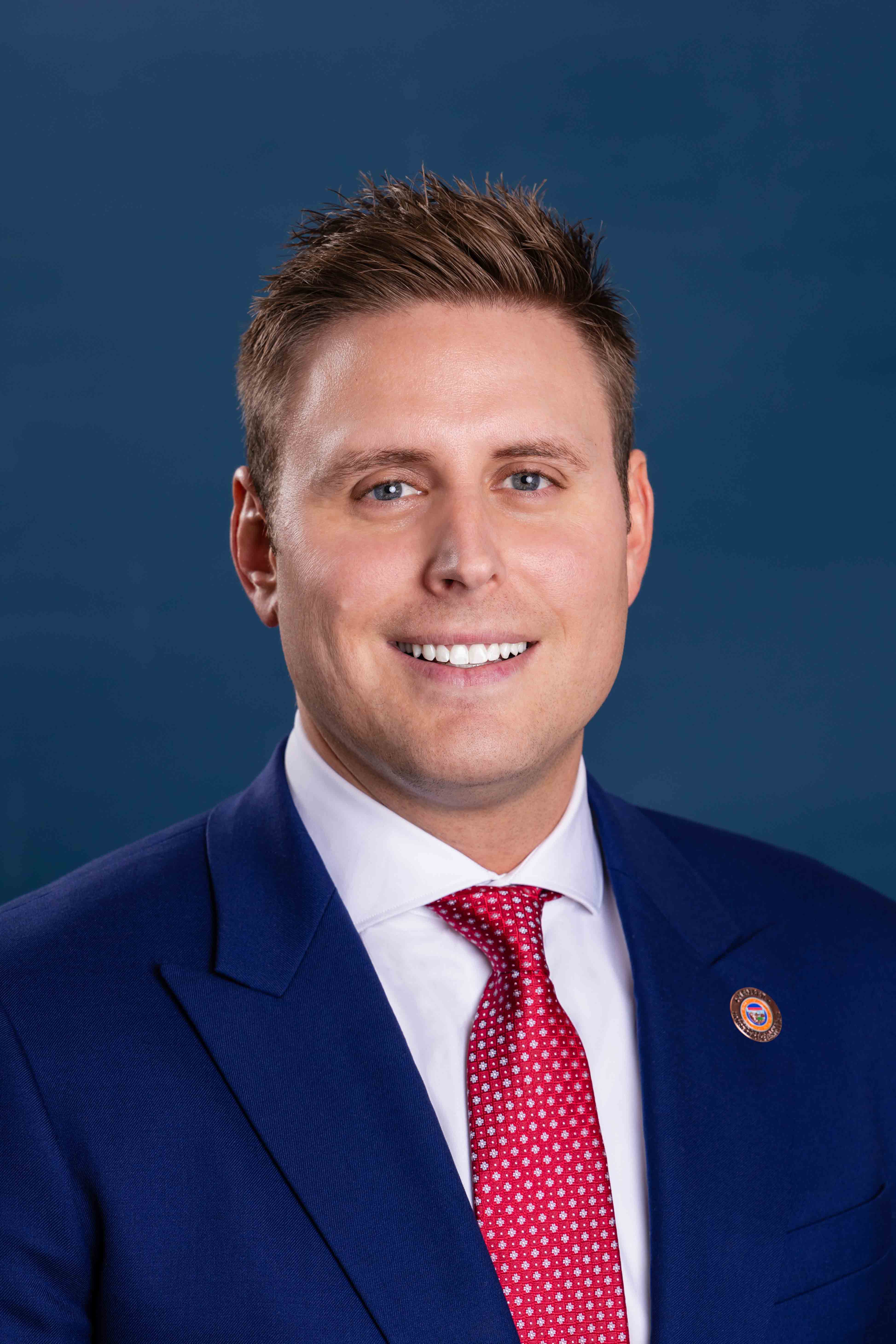
Michael Way
24% support rate
Ranked legislators
10
5 support · 5 oppose
Key legislators

Who's moving healthcare in Arizona

Legislators moving healthcare in Arizona
Legislator Party Stance Support rate Votes
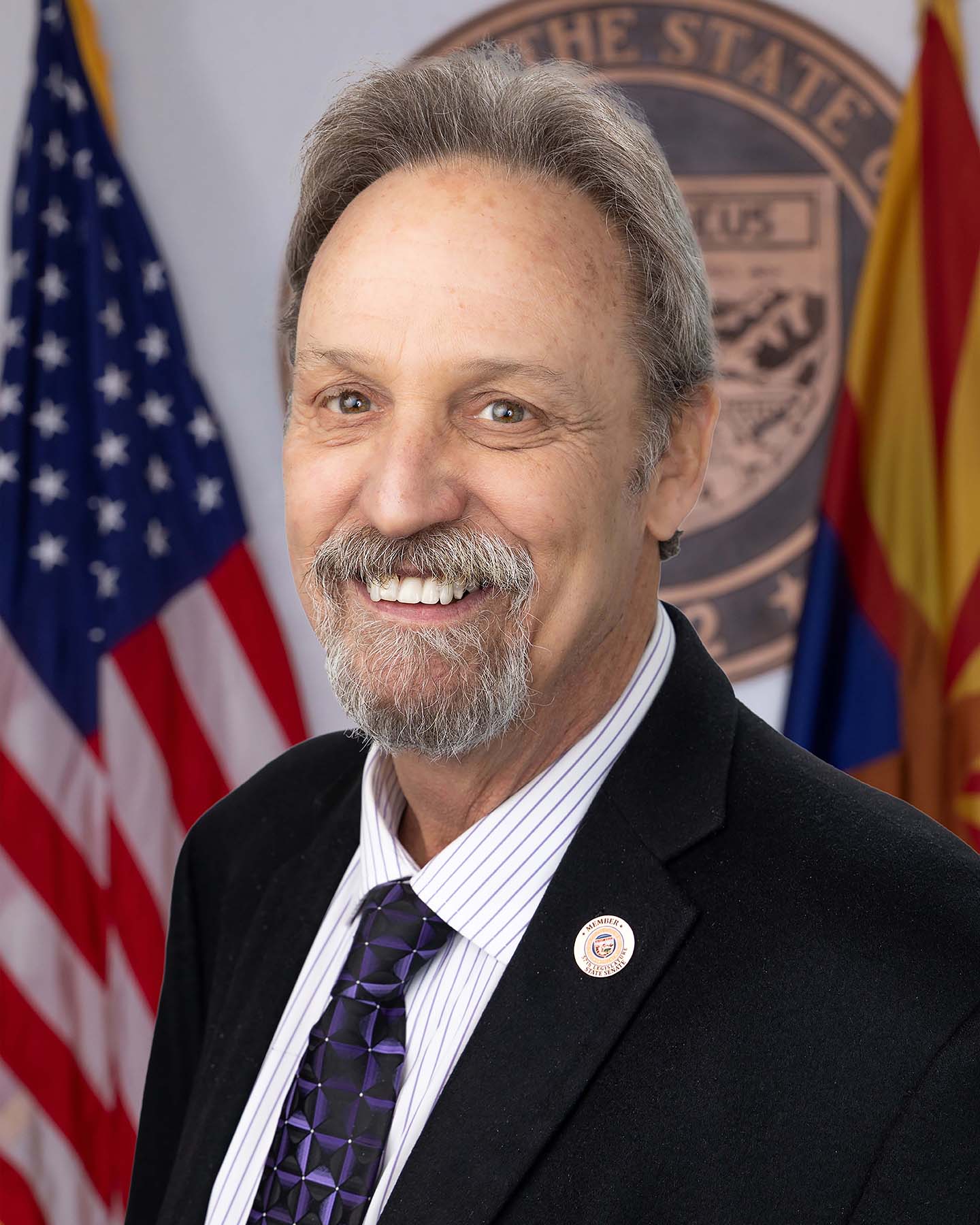
Kevin Payne
Kevin Payne Senate · District 27
R
Strong +
81% 164
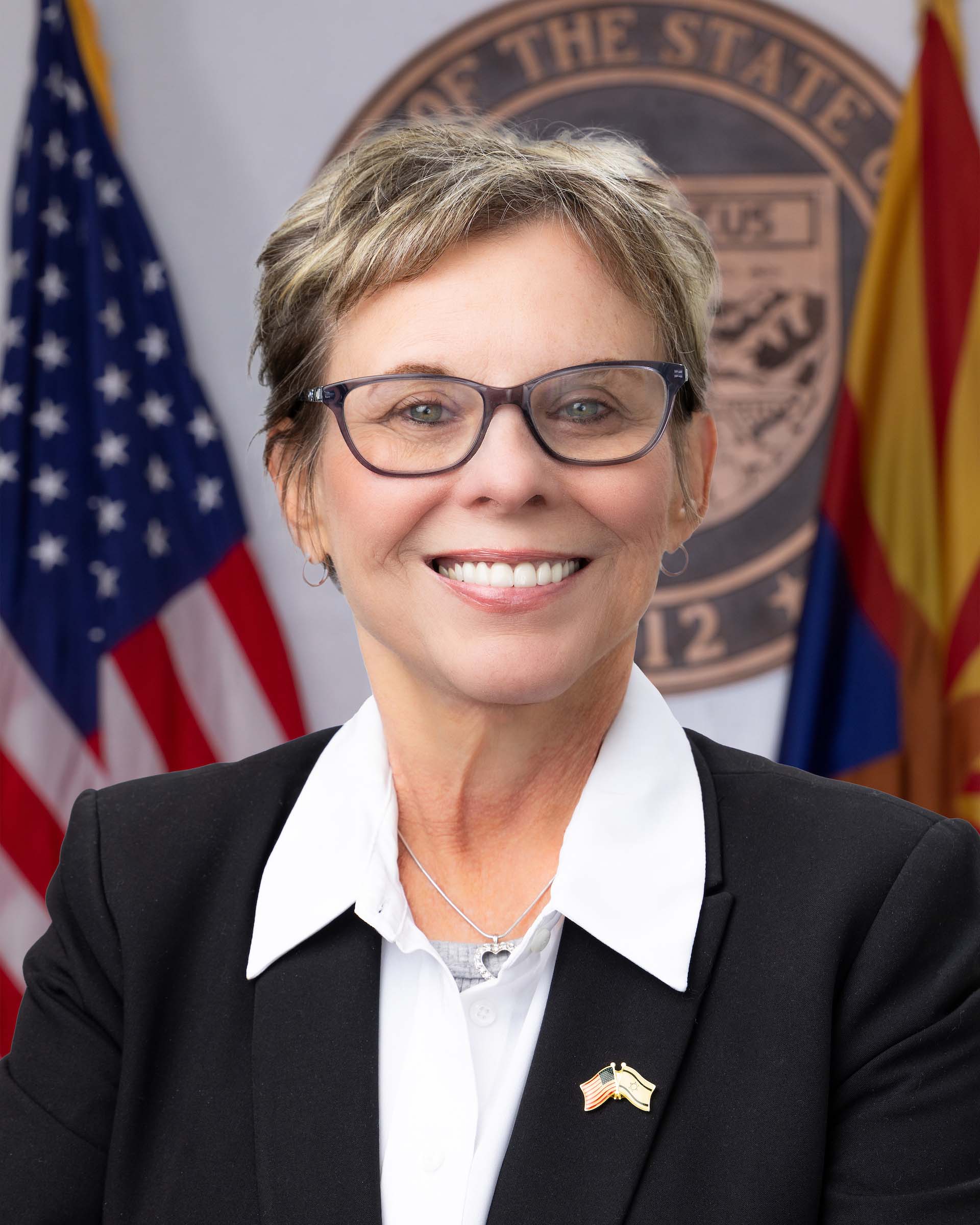
Hildy Angius
Hildy Angius Senate · District 30
R
Support
79% 178
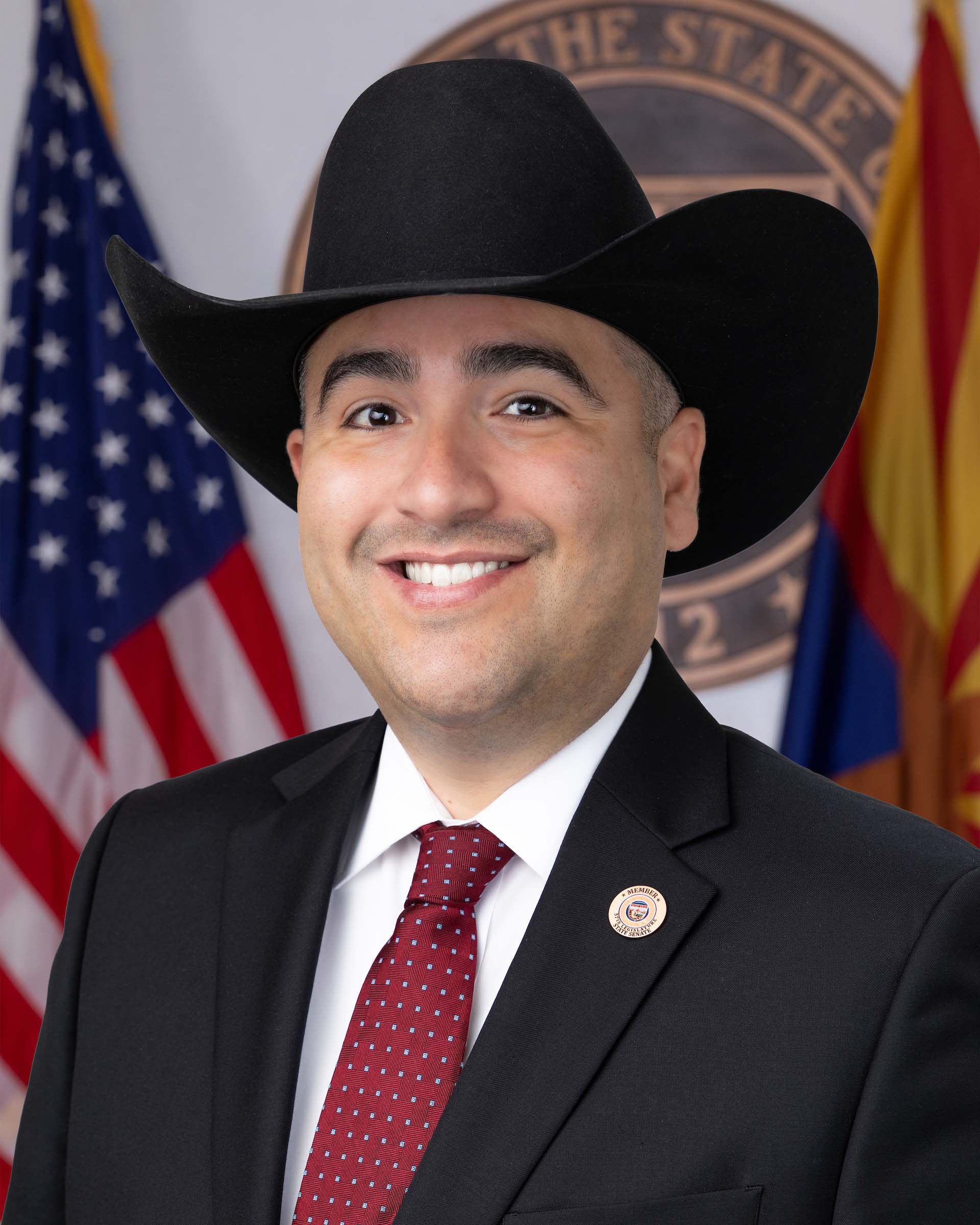
T.J. Shope
T.J. Shope Senate · District 16
R
Support
79% 179
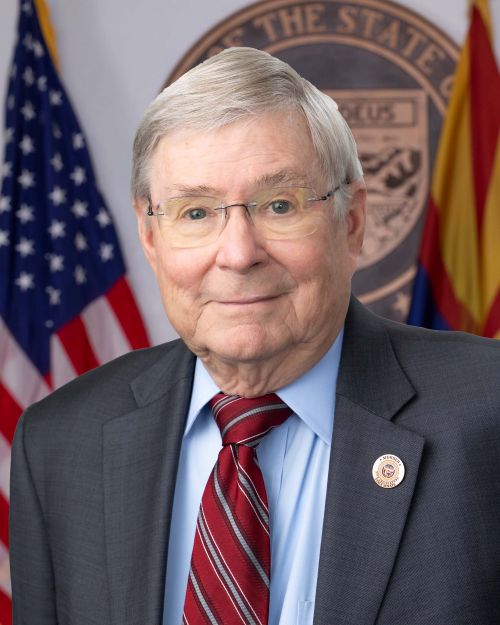
Vince Leach
Vince Leach Senate · District 17
R
Support
79% 179
Tim Dunn
Tim Dunn Senate · District 25
R
Support
79% 179
Michael Way
Michael Way House · District 15
R
Oppose
24% 223
Justin Olson
Justin Olson House · District 10
R
Oppose
27% 241
Khyl Powell
Khyl Powell House · District 14
R
Oppose
27% 241
Rachel Keshel
Rachel Keshel House · District 17
R
Oppose
28% 235
Alex Kolodin
Alex Kolodin House · District 3
R
Oppose
30% 238
Showing 111–120 of 298 bills

All healthcare bills

introduced · Arizona · Senate Jun 12, 2026

SB 1545: pharmacy benefit managers; pharmacy permits

SB 1545 prohibits pharmacy benefit managers (PBMs) from owning or holding retail pharmacy permits in Arizona. It requires the state board to revoke or not renew permits held by entities violating this rule, but allows temporary "limited service" permits for pharmacies dispensing rare or hard-to-find medications to ensure patient access. Pharmacies receiving notice of potential permit revocation must inform affected patients and providers 60 days before January 1, 2027. The bill creates specific processes for requesting limited service permits, notifying the board about unavailable medications, and includes exceptions for pharmacy employers that own PBMs or exclusively serve their own employees.
Sub-Topics Prescription Drugs
introduced · Arizona · House Jan 29, 2026

HB 2942: appropriation; DES; rehabilitation group homes

HB 2942 allocates $12 million from Arizona’s general fund and $36 million in Medicaid funds annually for fiscal years 2026-2031 to increase reimbursement rates for rehabilitation group homes serving individuals with intellectual and developmental disabilities. The bill directly affects licensed group homes that provide care for these individuals, ensuring they receive higher payments under the health care coding system code T2016. Key provisions include mandatory annual funding increases to cover rising operational costs for these facilities. This policy change aims to stabilize funding for critical support services without altering eligibility or care standards.
passed · Arizona · House Mar 11, 2026

HB 2184: fetal death; funeral homes

HB 2184 amends Arizona statutes to require hospitals, clinics, and healthcare providers to submit fetal death certificates within seven days for deaths occurring after 20 weeks of gestation or weighing over 350 grams, if requested by the mother. The bill also significantly expands abortion consent requirements, mandating that providers verbally inform patients 24 hours before the procedure about fetal development, alternatives, medical risks, and resources like adoption services and prenatal care assistance. It requires written certification that this information was provided and includes a specific provision allowing surgical abortion patients to choose final disposition of fetal remains, including transfer to a funeral home. The bill directly affects healthcare providers performing abortions and women seeking abortion services in Arizona, with no substantive changes related to funeral home operations beyond this single disposal option.
Sub-Topics Women's Health
introduced · Arizona · House Jan 21, 2026

HB 2526: abortion; medication; mailing; repeal

HB 2526 repeals Arizona Revised Statutes Section 36-2160, which previously regulated the mailing of abortion medication. This change removes a specific legal restriction on sending abortion pills by mail within Arizona. The bill directly affects individuals seeking medication abortion services by eliminating this mailing restriction under state law. (3 sentences)
Sub-Topics Women's Health
introduced · Arizona · House Jan 26, 2026

HB 2810: health education; abortion providers; prohibitions

HB 2810 prohibits public schools in Arizona from allowing abortion clinics or related entities to provide health education instruction, programs, or materials to students or staff. It specifically bans involvement by abortion providers (including clinics, their controlling entities, or franchised partners) in school health education. Schools failing to comply face potential withholding of state education funding after a 90-day correction period. The law directly affects public schools and their health education programs by restricting partnerships with abortion-related organizations.
Sub-Topics Women's Health
introduced · Arizona · House Jan 21, 2026

HB 2522: contraception; rights; limits

HB 2522, the "Arizona Right to Contraception Act," establishes a legal right for Arizonans to access contraceptives and contraception-related information, and for healthcare providers to offer these services. It prohibits state or local restrictions that single out contraceptive services, impede access, or interfere with a provider's ability to deliver care. The bill explicitly clarifies it does not override existing requirements for voluntary, informed consent in sterilization procedures. This law directly affects individuals seeking reproductive healthcare and healthcare providers who offer contraceptive services across Arizona.
Sub-Topics Women's Health
introduced · Arizona · Senate Feb 2, 2026

SB 1465: employment; labor relations; occupations; leave

SB 1465 requires employers in high-risk industries - like agriculture, construction, landscaping, delivery work, and oil/gas extraction - to implement heat illness prevention measures. It mandates free drinkable water (one cup every 15-20 minutes above 90°F), accessible shade or climate-controlled areas within 400 feet, and mandatory rest periods based on temperature. Employers must also train staff, acclimate new workers to heat over 7-14 days, and follow specific high-heat procedures like supervisor monitoring and emergency response plans. The law directly affects workers in these industries and their employers across Arizona.
Sub-Topics Labor Standards
introduced · Arizona · House Jan 21, 2026

HB 2559: behavioral health services; insurance coverage

HB 2559 requires Arizona health insurance plans (including hospital service corporations, health care organizations, and disability insurers) to cover behavioral health services - such as mental health and substance use disorder treatment - starting January 1, 2027. The bill mandates insurers to provide out-of-network coverage with cost protections if in-network providers aren’t available within specific timeframes: 30 days for routine care, 7 days for residential care, and 24 hours for emergencies. Patients cannot pay more than their in-network copay, coinsurance, or deductible for these services, and insurers must document out-of-network payments for state review. This directly affects millions of Arizonans with insurance coverage for behavioral health needs.
introduced · Arizona · House Jan 29, 2026

HB 2924: TPT; exemption; fire apparatus

HB 2924 amends Arizona's sales tax code (Section 42-5061) to update existing exemptions from the state's retail sales tax. It specifically clarifies exemptions for medical items like insulin, prosthetics, and durable medical equipment prescribed by licensed health professionals, as well as food, nonprofit sales, and certain educational materials. The bill does not create a new "fire apparatus" exemption as implied in its title - this appears to be a mislabeling, as the actual text revises other exemption categories. The changes directly affect businesses selling these exempt items, such as pharmacies, hospitals, schools, and nonprofits, by removing tax liability on qualifying transactions. The policy update focuses on refining existing tax law, not introducing new provisions.
Sub-Topics Sales Tax
introduced · Arizona · Senate Feb 4, 2026

SB 1622: behavioral health technicians; definition; duties

SB 1622 defines "behavioral health technician" in Arizona law as an employee of a licensed behavioral health facility who provides services under the supervision of a licensed professional. The bill sets minimum qualifications (18+ years old, high school diploma, background checks) and requires specific training in areas like crisis response, trauma-informed care, and confidentiality. It details permitted duties including implementing treatment plans, providing supportive counseling, documenting care, assisting with medication, and supporting crisis teams - while explicitly prohibiting technicians from diagnosing conditions or prescribing medications. This law directly affects behavioral health facilities, technicians, and the licensed professionals who supervise them.
Sub-Topics Mental Health
Showing 111 to 120 of 298 bills
Previous 1 11 12 13 30 Next