Issue · Criminal Justice

Criminal Justice

Every criminal justice bill, vote, and legislator stance in Arizona, automatically classified by Maddy, our AI policy reader.

Total bills
212
57th Legislature - Second Regular Session
Top supporter
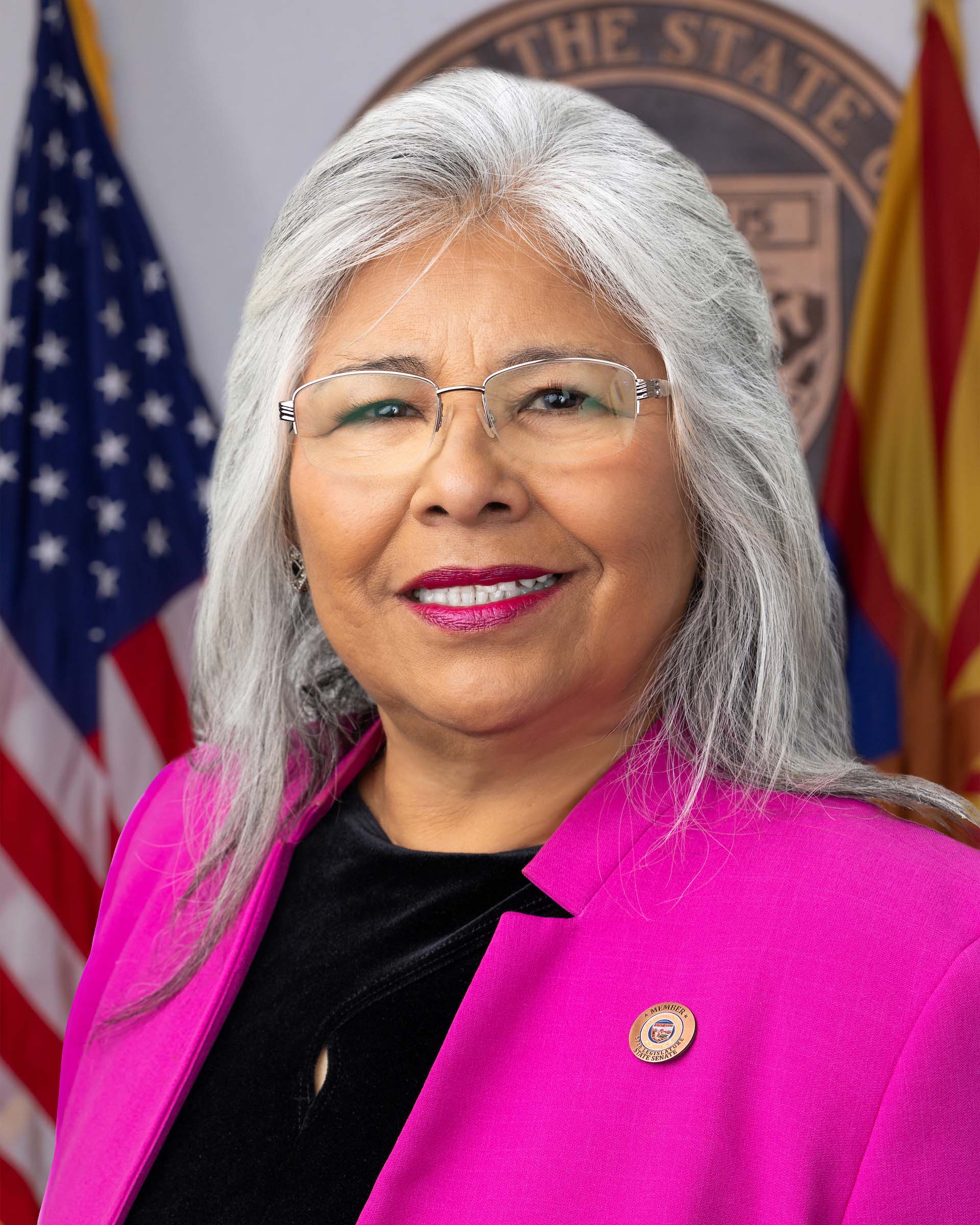
Stephanie Simacek
74% support rate
Top opponent
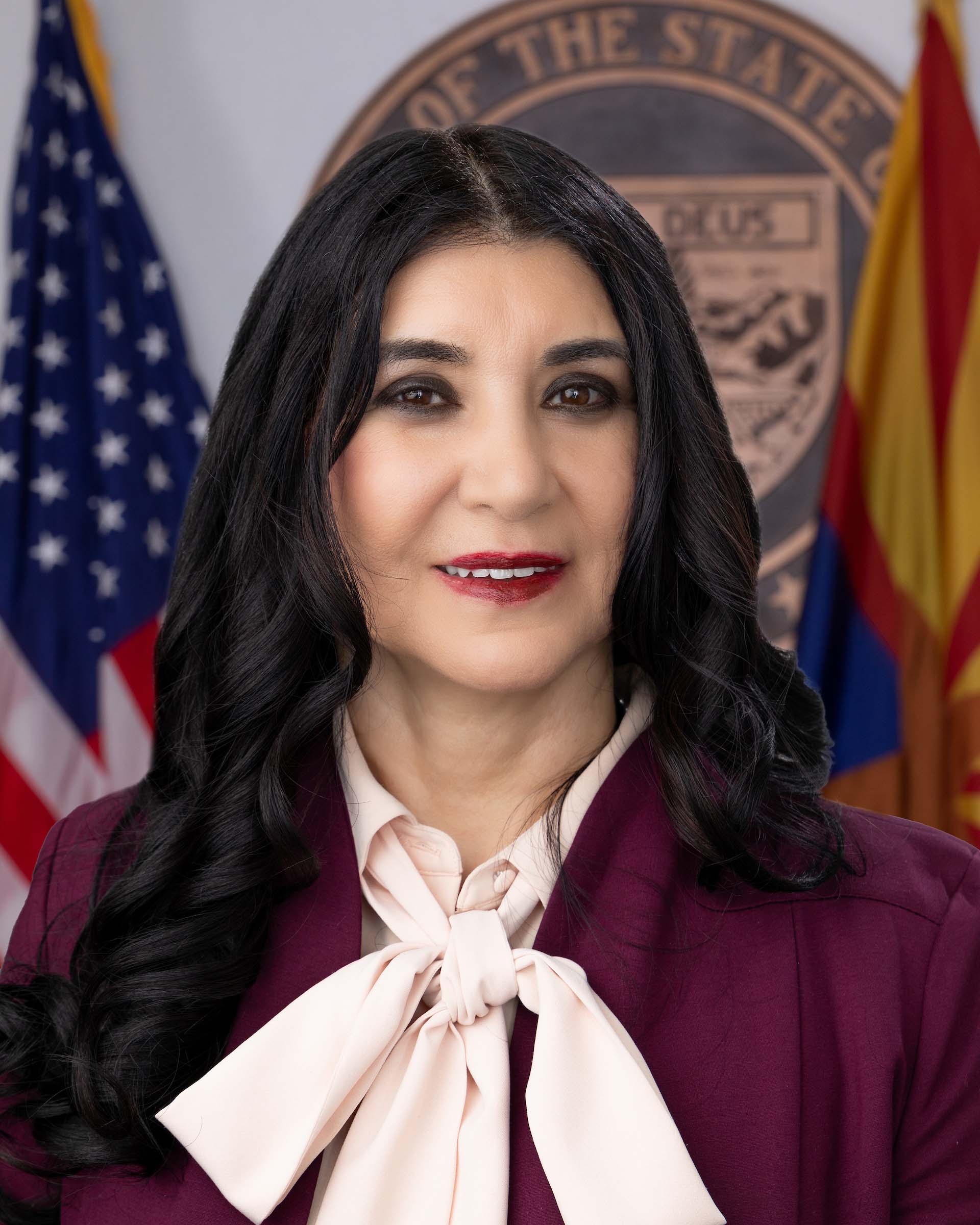
Lupe Diaz
40% support rate
Ranked legislators
10
5 support · 5 oppose
Key legislators

Who's moving criminal justice in Arizona

Legislators moving criminal justice in Arizona
Legislator Party Stance Support rate Votes
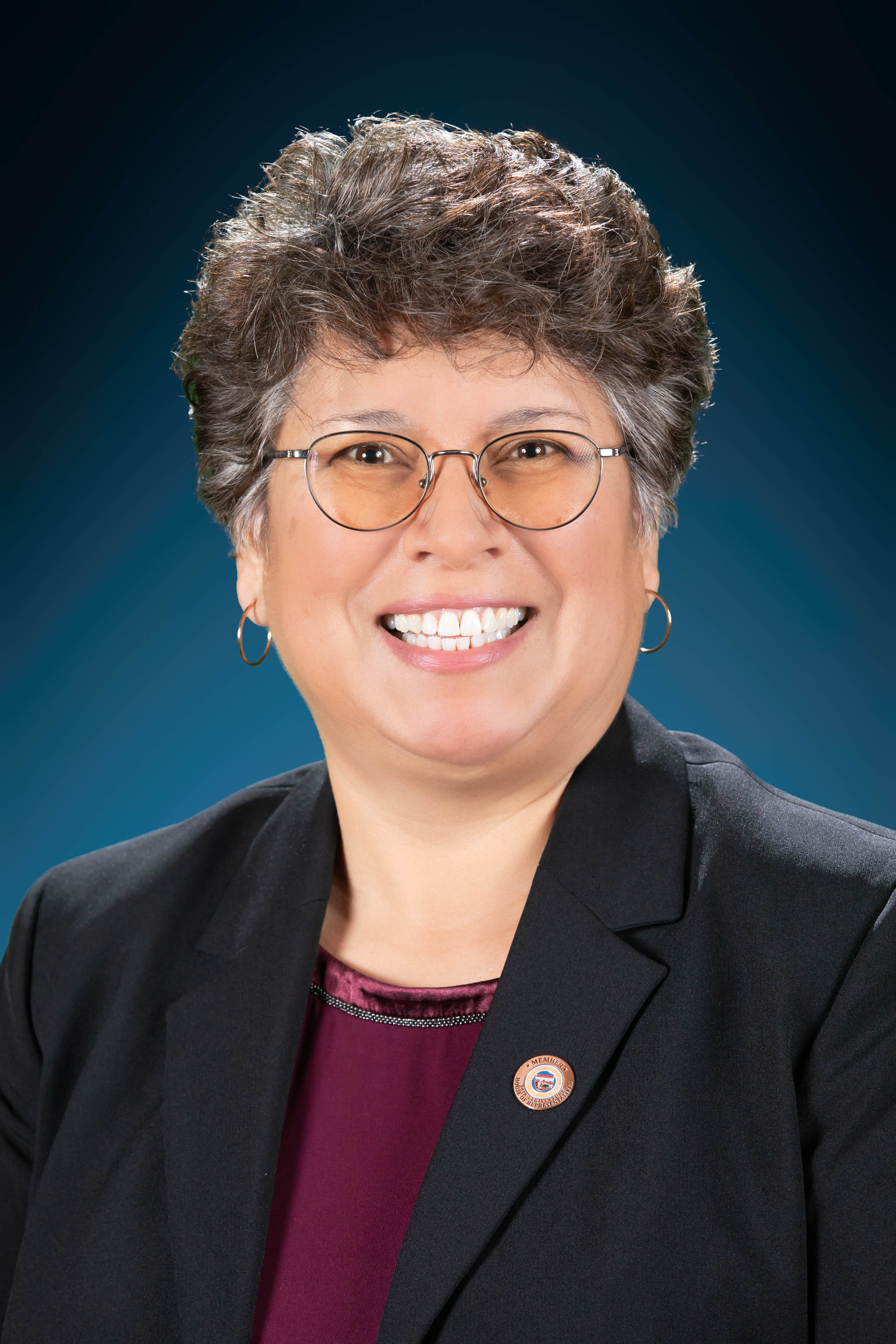
Stephanie Simacek
Stephanie Simacek House · District 2
D
Support
74% 166
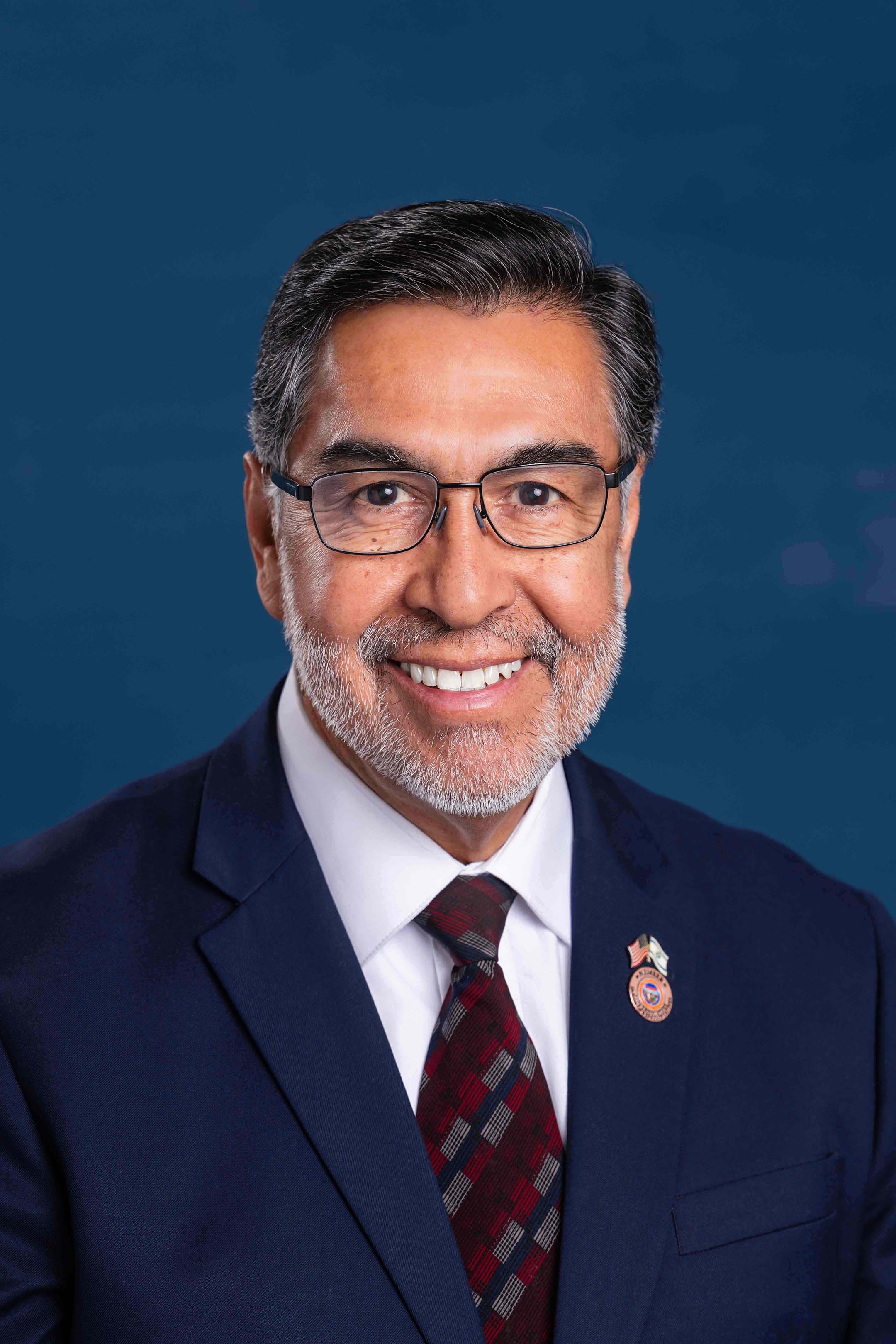
Lydia Hernandez
Lydia Hernandez House · District 24
D
Support
73% 178
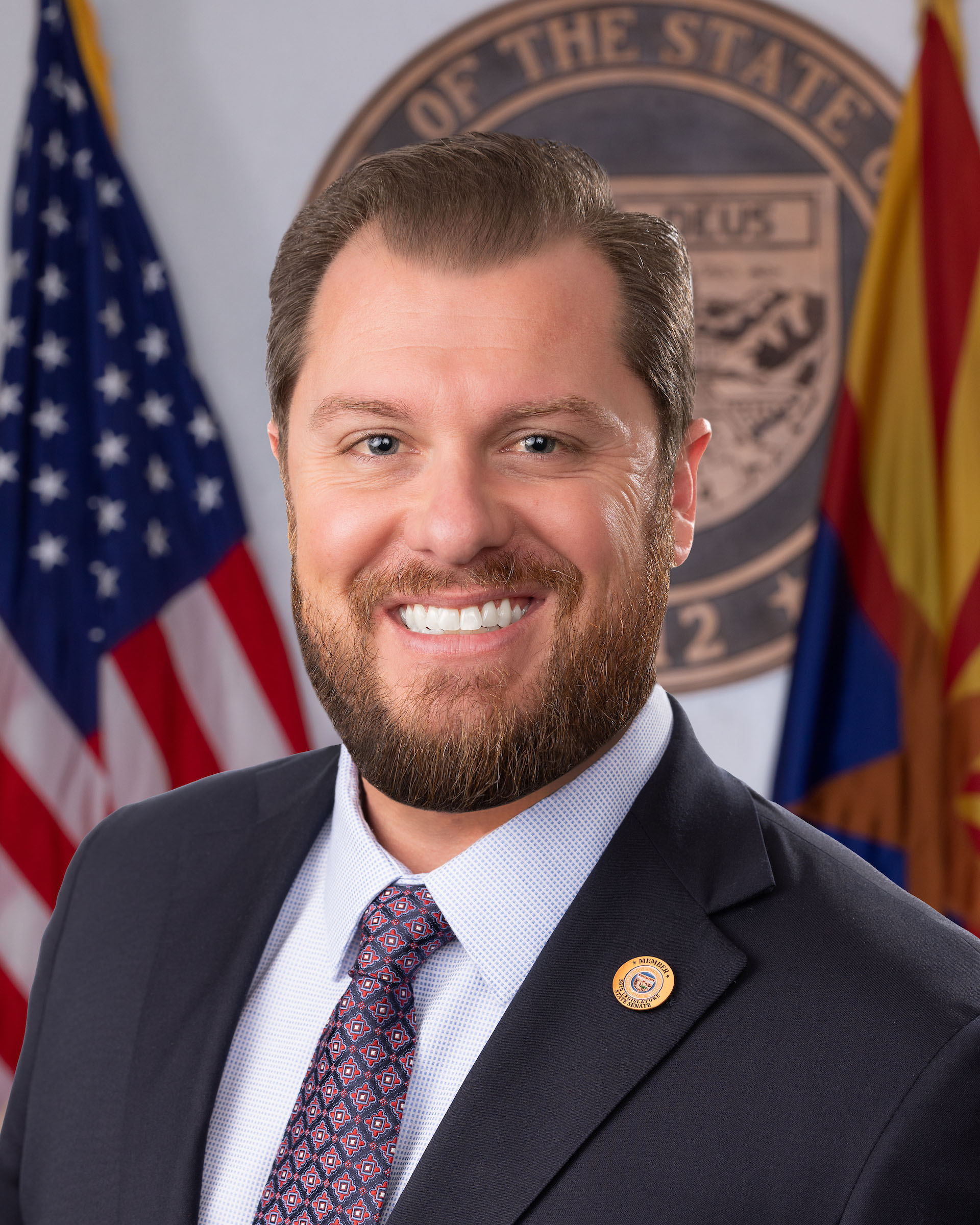
Seth Blattman
Seth Blattman House · District 9
D
Support
71% 47
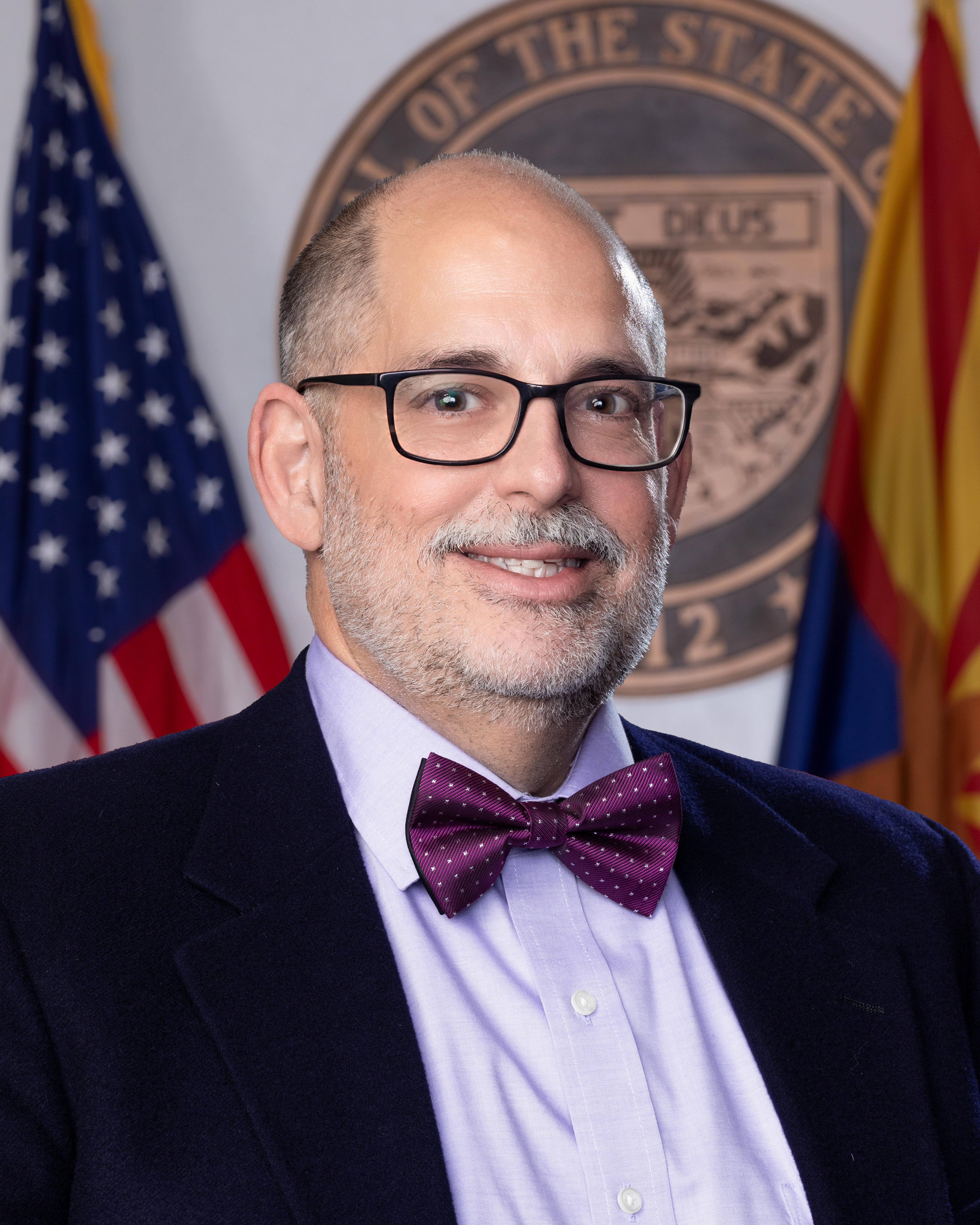
Nancy Gutierrez
Nancy Gutierrez House · District 18
D
Support
71% 126
Patty Contreras
Patty Contreras House · District 12
D
Support
71% 182
Lupe Diaz
Lupe Diaz House · District 19
R
Oppose
40% 191
Jake Hoffman
Jake Hoffman Senate · District 15
R
Mixed −
41% 199
David Livingston
David Livingston House · District 28
R
Mixed −
42% 170
Sally Gonzales
Sally Gonzales Senate · District 20
D
Mixed −
43% 203
Eva Diaz
Eva Diaz Senate · District 22
D
Mixed −
43% 146
Showing 21–30 of 212 bills

All criminal justice bills

introduced · Arizona · House Feb 10, 2026

HB 4006: defamation actions; sexual offenses

HB 4006, titled the "Right to Speak Your Truth Act," prohibits individuals accused of sexual misconduct, abuse, assault, harassment, or domestic violence from using defamation lawsuits to silence accusers or reporters. It specifically blocks defamation claims when the accused attempts to retaliate against someone who reported the incident or named the accused publicly. The bill allows defamation lawsuits only if the accuser's claim is factually impossible for the accused to have committed, the accuser was impeached in court over the same facts, the accuser made contradictory public statements, or the accuser publicly denied the incident occurred. This directly protects accusers, staff, and third parties reporting sexual offenses from being sued for speaking out.
introduced · Arizona · House Feb 10, 2026

HB 2997: animal abuse; animal neglect; classification

HB 2997 amends Arizona's animal cruelty statute to clarify and expand definitions of animal abuse and neglect. It creates specific classifications (like "animal abuse in the first degree" for intentional harm) and adds new prohibitions, such as leaving animals unattended in hot/cold vehicles or improperly tethering dogs. The bill directly affects anyone owning or caring for animals in Arizona, including pet owners, breeders, and service animal handlers. Key provisions include stricter penalties for harming service animals, clearer neglect standards (e.g., failure to provide food/water/shelter leading to injury/death), and allowing officers to rescue animals from unsafe vehicles.
signed · Arizona · House Jun 22, 2026

HB 2995: domestic relations; domestic violence

HB 2995 modifies Arizona's domestic relations law to prioritize child safety in custody cases involving domestic violence. It creates a rebuttable presumption against granting joint legal decision-making or parenting time to a parent found to have committed domestic violence, requiring courts to consider evidence like police reports, medical records, and shelter documentation. If a parent is found abusive, they must prove parenting time won't endanger the child, and courts can impose conditions such as supervised visits, mandatory counseling, or restrictions on overnight stays. The bill also mandates detailed court findings explaining how domestic violence considerations serve the child's best interests, with the presumption taking priority over other legal standards.
introduced · Arizona · Senate Feb 9, 2026

SB 1714: pricing; emergency; enforcement; attorney general

This bill prohibits price gouging on essential goods and services during a declared state of emergency in Arizona. It makes it unlawful to sell items like food, water, electricity, medical supplies, or rent at prices 10% higher than the highest price charged 30 days before the emergency was declared. Violations are classified as felonies: selling for $500+ in 24 hours is a class 5 felony, while smaller amounts are class 6 felonies. The attorney general enforces these rules under existing consumer protection laws. The bill directly affects businesses selling essential items during emergencies.
Sub-Topics Renters
introduced · Arizona · House Feb 12, 2026

HB 4091: tribal government; law enforcement fund

HB 4091 creates a grant program to provide funding to tribal governments on reservations located in Arizona counties with fewer than 500,000 residents. The grants can be used for hiring or retaining law enforcement officers, purchasing communication equipment, funding IT upgrades, or covering costs related to investigating turquoise alerts. The bill appropriates $10 million from the state general fund for fiscal year 2026-2027 to establish the Tribal Government Rural Law Enforcement Enhancement Fund, with no more than $100,000 annually allowed for administrative costs. The department administering the program must submit annual reports to the legislature by December 1st starting in 2027, detailing the program's effectiveness and improvement recommendations.
Sub-Topics Procurement State Budget Law Enforcement Tags Tribal Nations
passed · Arizona · Senate Mar 11, 2026

SCR 1047: public benefits; fraud; remedies

SCR 1047 is a constitutional resolution (requiring voter approval) that establishes an Attorney General marijuana enforcement fund and a receiver system for social equity marijuana licenses. It creates a dedicated fund using existing marijuana-related monies to investigate fraud, enforce social equity program rules, support reentry programs for prior marijuana offenses, and fund community grants. The bill allows the Attorney General to appoint a receiver to take control of a social equity license if fraud, non-compliance, or predatory agreements occur, with strict qualifications for receivers. This directly affects social equity marijuana license holders, particularly those who may face license revocation or restoration processes due to violations. The resolution aims to strengthen enforcement of marijuana licensing rules while prioritizing community impact and program integrity.
signed · Arizona · Senate Jun 22, 2026

SB 1669: sexual offenses; victim; evidence

SB 1669 restricts the use of a sexual assault victim's past sexual history as evidence in court, generally barring reputation or opinion evidence about their chastity. It allows limited exceptions only for evidence about the victim's past sexual conduct with the defendant, specific instances showing the source of physical evidence (like semen or pregnancy), evidence supporting a motive for false accusations, impeachment of the victim, or prior false allegations against others. Before any such evidence can be presented, a judge must hold a pretrial hearing and determine admissibility using the "clear and convincing evidence" standard. This law directly affects criminal trials for sexual offenses under Arizona statutes (including sections 13-1421, 13-3212, and chapter 35), aiming to limit prejudicial questioning of victims.
signed · Arizona · House Jun 22, 2026

HB 4117: disturbing religious services; worship

HB 4117 makes it a class 1 misdemeanor to knowingly disturb religious services through indecent behavior, profane language, or unnecessary noise near the worship space. It directly affects individuals who disrupt the order and solemnity of religious gatherings, whether inside the venue or nearby. The law specifically targets actions that disturb the "assemblage of persons who have met for religious worship," not general public conduct. This bill, which passed the Arizona House on February 26, 2026, creates a new criminal penalty for such disruptions.
introduced · Arizona · House Feb 11, 2026

HB 4092: peace officers; cameras; disclosures; recordings

HB 4092 requires Arizona peace officers to wear body cameras during public interactions starting July 2028, with exceptions for undercover work, court appearances, or privacy concerns. Officers who fail to activate cameras or tamper with footage face disciplinary action, including certification suspension (up to permanent revocation for incidents involving civilian deaths) and potential termination. The bill also mandates releasing unedited body camera footage within 21 days of misconduct complaints and protecting privacy in sensitive recordings, while requiring law enforcement agencies to follow state-mandated retention schedules.
in committee · Arizona · Senate Feb 18, 2026

SB 1650: judicial immunity; exception

SB 1650 modifies Arizona's judicial immunity law by creating an exception for judges who knowingly violate civil rights during case handling. It removes immunity for judicial officers who "knew or should have known" their actions in a case violated the civil rights of a litigant or affected person. This change directly affects judges and potential plaintiffs in civil rights cases involving judicial conduct, while leaving other immunity protections intact. The bill does not alter existing civil rights laws but specifies when judicial immunity does not apply.
Sub-Topics Civil Rights
Showing 21 to 30 of 212 bills
Previous 1 2 3 4 22 Next