Issue · Criminal Justice

Criminal Justice

Every criminal justice bill, vote, and legislator stance in Arizona, automatically classified by Maddy, our AI policy reader.

Total bills
212
57th Legislature - Second Regular Session
Top supporter
Stephanie Simacek
74% support rate
Top opponent
Lupe Diaz
40% support rate
Ranked legislators
10
5 support · 5 oppose
Key legislators

Who's moving criminal justice in Arizona

Legislators moving criminal justice in Arizona
Legislator Party Stance Support rate Votes
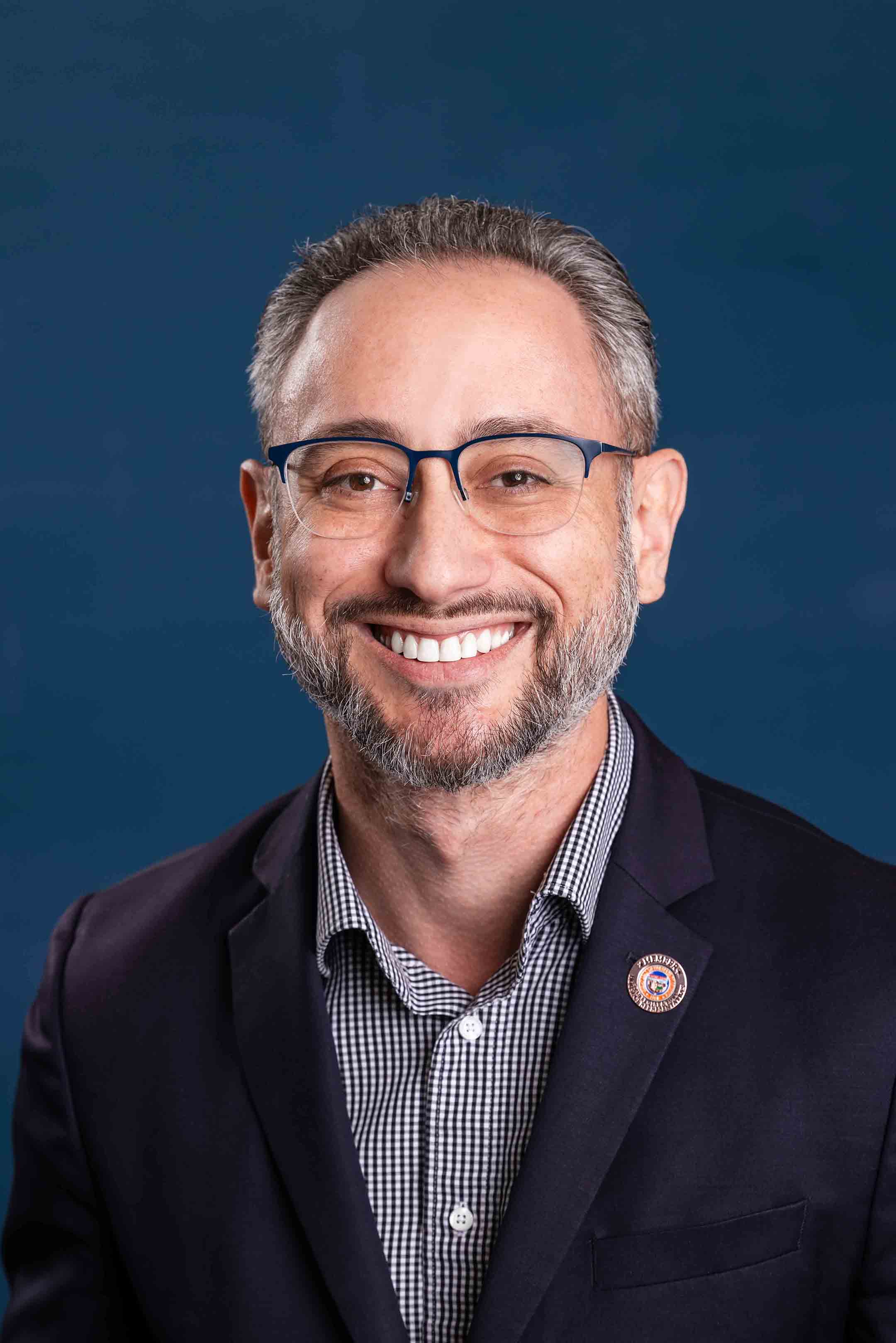
Stephanie Simacek
Stephanie Simacek House · District 2
D
Support
74% 166
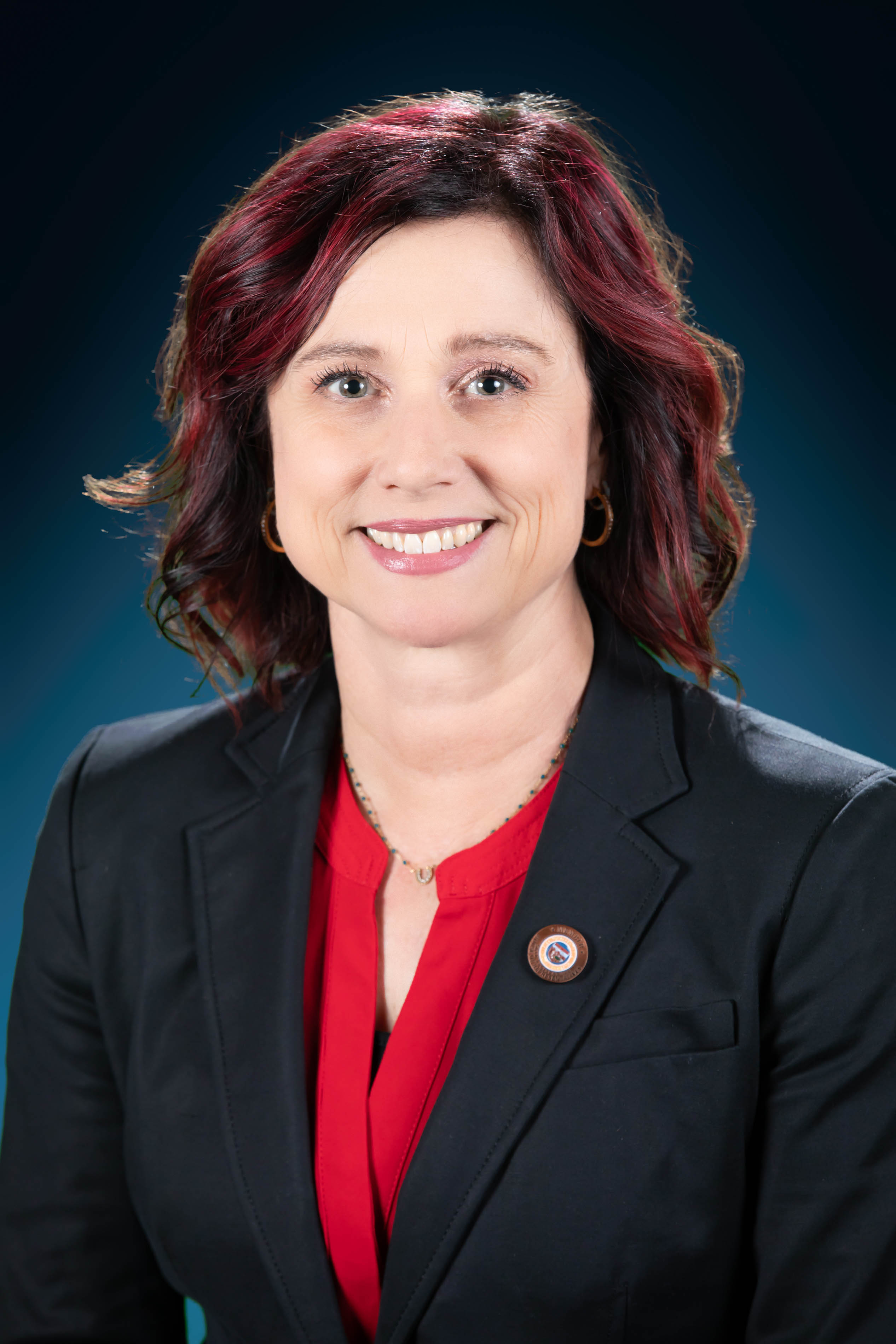
Lydia Hernandez
Lydia Hernandez House · District 24
D
Support
73% 178
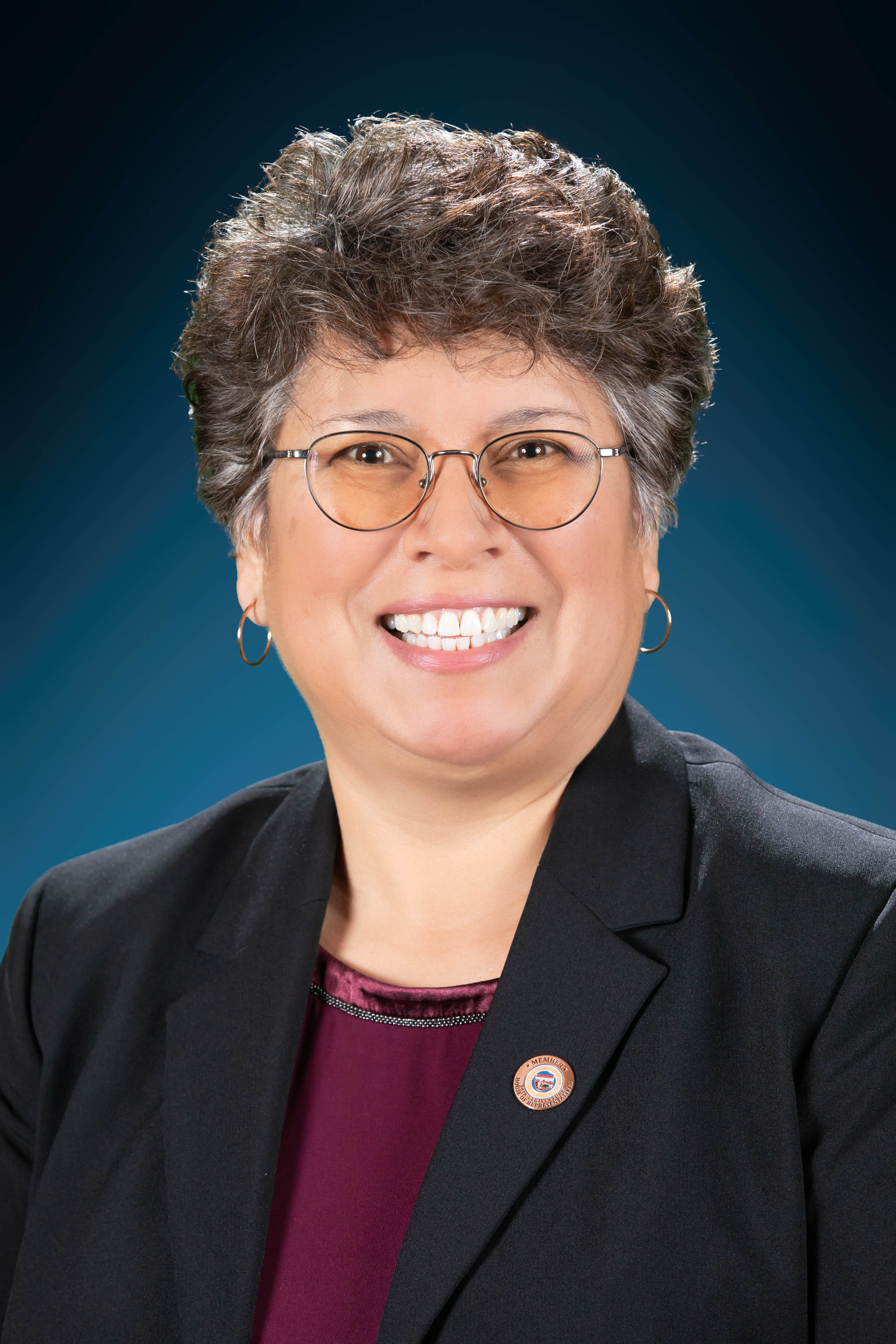
Seth Blattman
Seth Blattman House · District 9
D
Support
71% 47
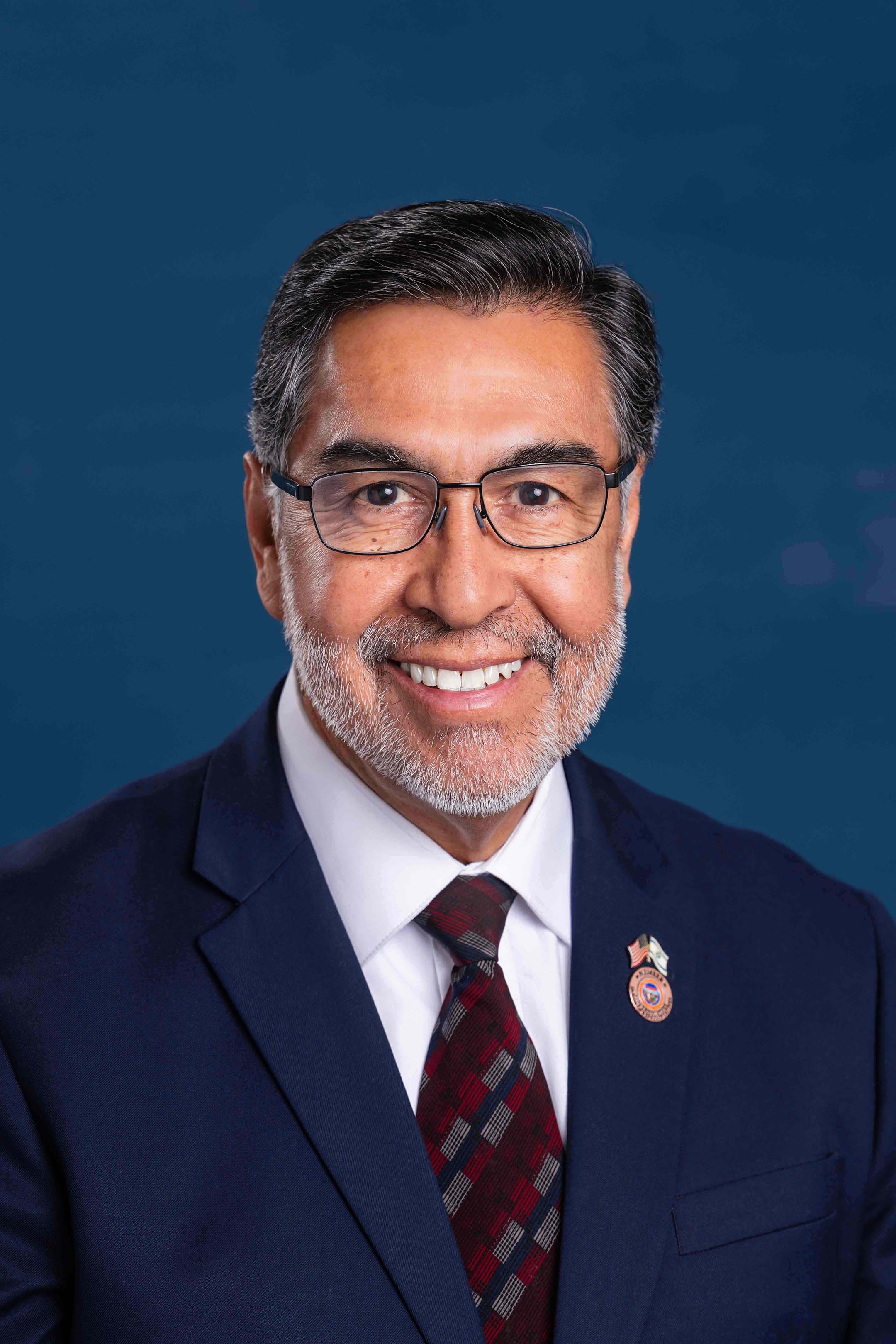
Nancy Gutierrez
Nancy Gutierrez House · District 18
D
Support
71% 126
Patty Contreras
Patty Contreras House · District 12
D
Support
71% 182
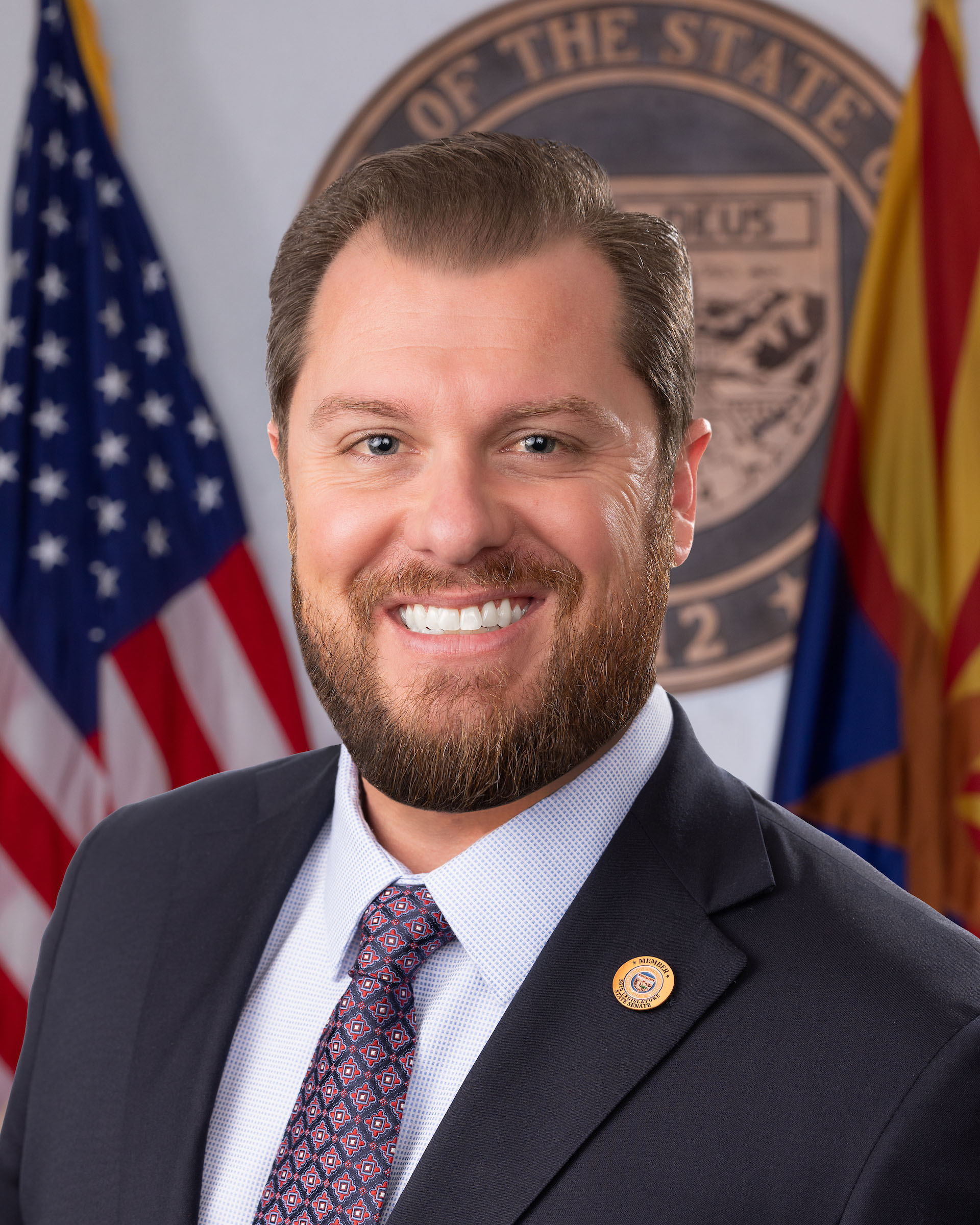
Lupe Diaz
Lupe Diaz House · District 19
R
Oppose
40% 191
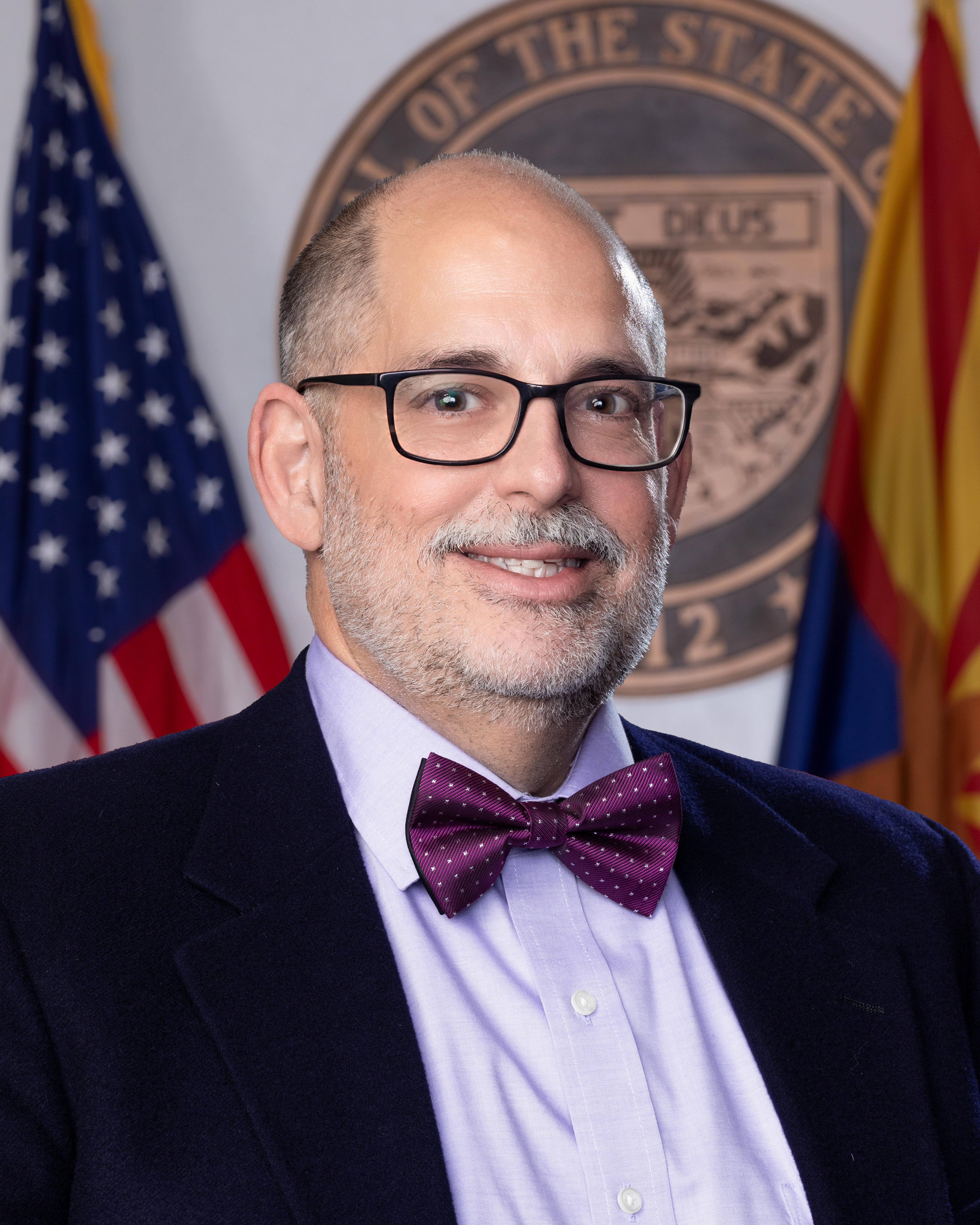
Jake Hoffman
Jake Hoffman Senate · District 15
R
Mixed −
41% 199
David Livingston
David Livingston House · District 28
R
Mixed −
42% 170
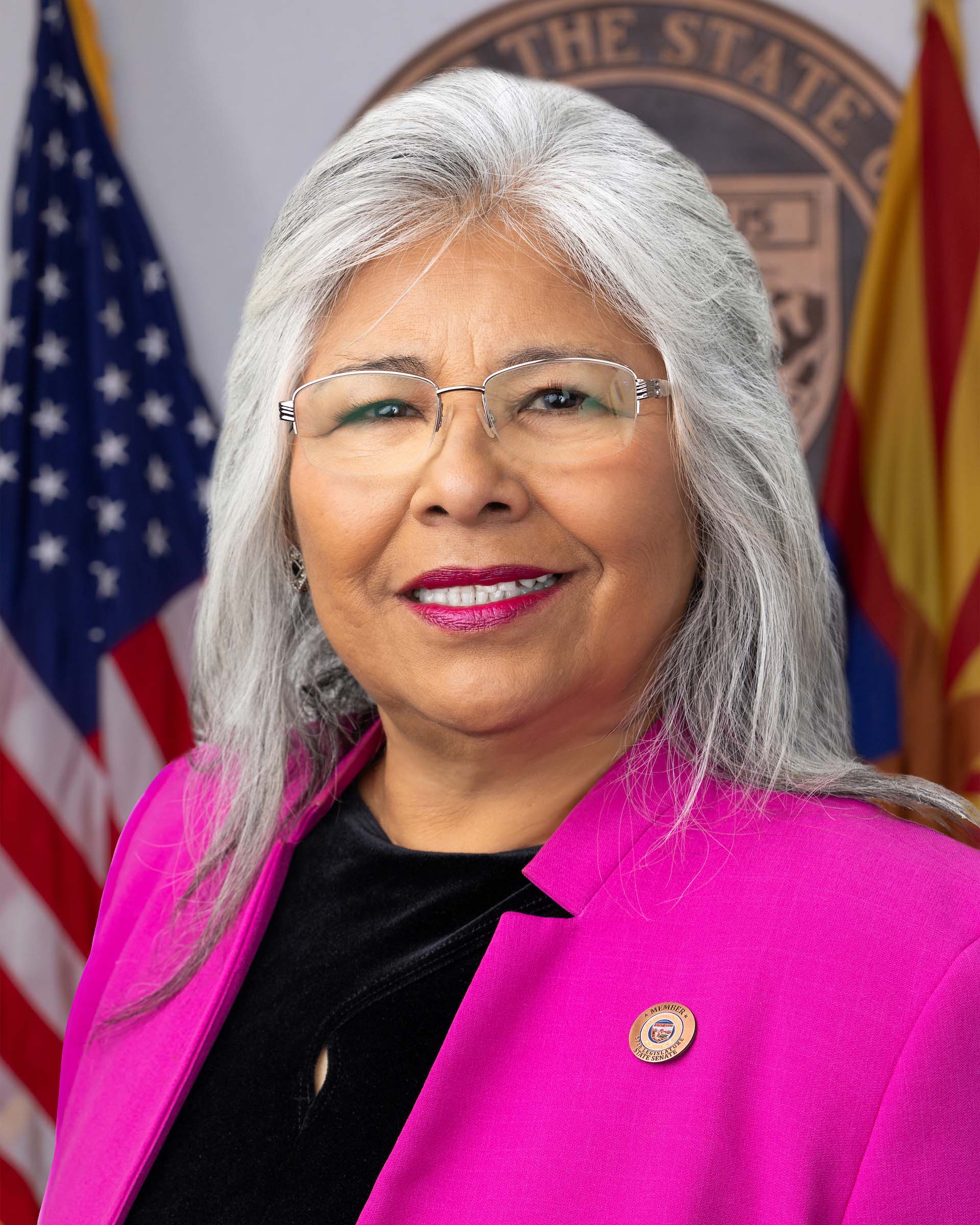
Sally Gonzales
Sally Gonzales Senate · District 20
D
Mixed −
43% 203
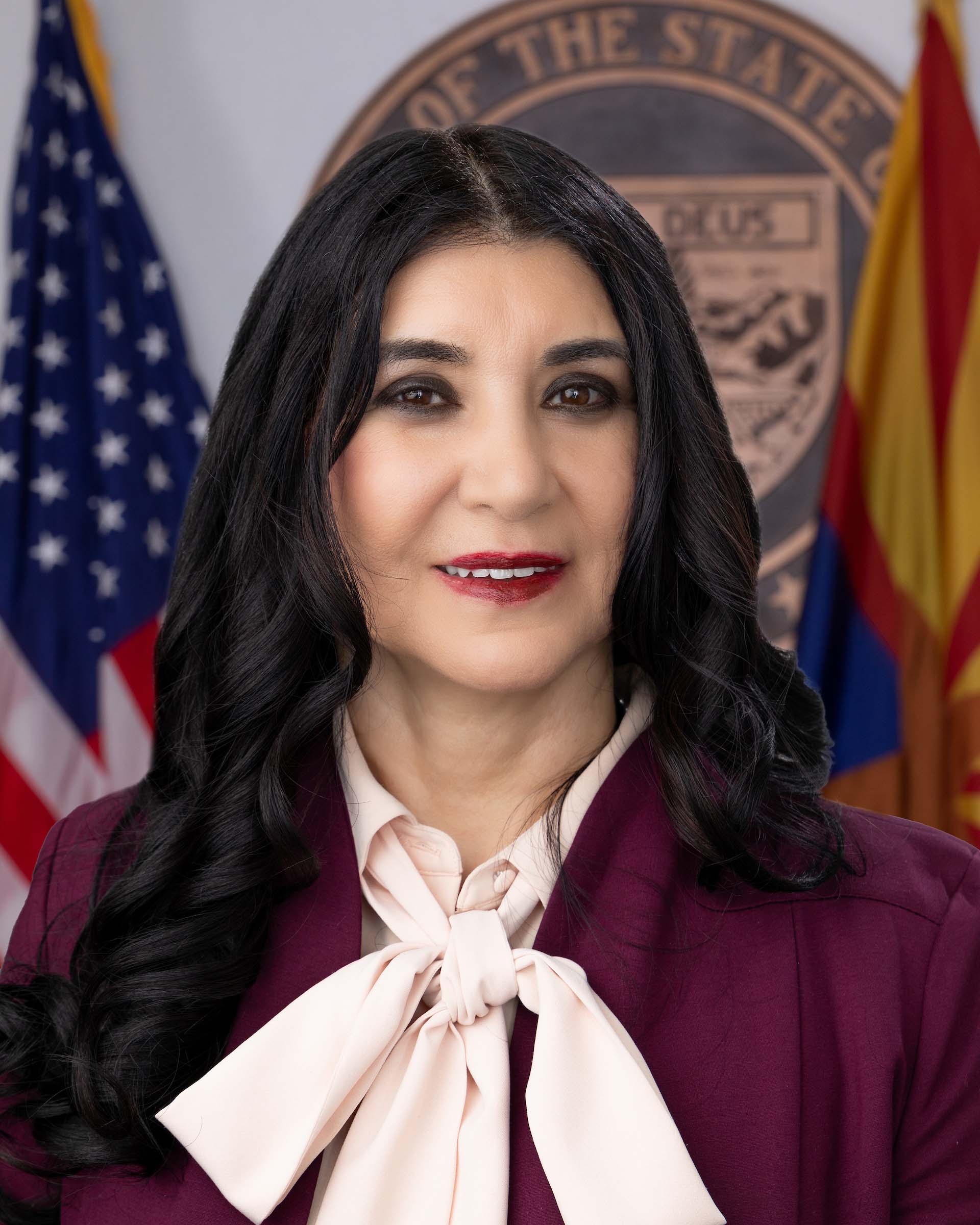
Eva Diaz
Eva Diaz Senate · District 22
D
Mixed −
43% 146
Showing 11–20 of 212 bills

All criminal justice bills

vetoed · Arizona · House Jun 19, 2026

HB 4056: technical correction; double punishment

HB 4056 amends Arizona Revised Statutes § 13-116 to clarify that when an act violates multiple laws, sentences must run concurrently (served at the same time), not consecutively. It also states that a conviction or acquittal under one law bars prosecution for the same act under another law, aligning with constitutional protections against double jeopardy. This technical correction directly affects criminal defendants in Arizona who face charges under multiple statutes for the same conduct. The bill passed the Arizona House of Representatives on March 3, 2026, and was referred to the Senate.
introduced · Arizona · Senate Feb 9, 2026

SB 1778: juvenile sentenced as adult; sentencing

SB 1778 changes Arizona's rules for trying juveniles (ages 14-17) as adults. It requires adult prosecution for juveniles accused of specific serious offenses like murder, forcible sexual assault, armed robbery, or violent felonies, especially if they have two prior felony convictions (defined as "chronic felony offenders"). The bill mandates that prosecutors file a special notice about chronic offender status, and courts must hold a hearing to verify this before proceeding. Crucially, it limits sentencing for juveniles tried as adults: judges cannot impose death, life without parole, or sentences totaling 25+ years ("de facto life").
passed · Arizona · Senate Mar 25, 2026

SB 1673: appropriation; crime victim notification fund

SB 1673 allocates $5 million from Arizona's state general fund for fiscal year 2026-2027 to the existing law enforcement crime victim notification program under Arizona Revised Statutes §41-2414. This funding directly supports state and local law enforcement agencies that provide notification services to crime victims. The bill specifies that this appropriation is exempt from standard budget lapse rules, ensuring the funds remain available for the designated purpose. As a purely financial measure, it does not change eligibility for victim notifications or create new requirements.
passed · Arizona · Senate Mar 25, 2026

SB 1748: victims' rights; opt in process

SB 1748 requires Arizona law enforcement agencies to provide crime victims with clear materials allowing them to "opt in" to receive notifications about their case, including arrests, court dates, and case updates. Once a victim opts in (only once), they automatically receive notifications from all relevant state agencies without needing to repeat the request. Victims can also opt out at any time, and agencies must share this change across all departments. The bill streamlines communication while preserving existing victim rights under Arizona law, directly affecting all crime victims in Arizona who interact with law enforcement.
passed · Arizona · House Mar 11, 2026

HB 4136: unlawful entry; vulnerable adults; vagrants

HB 4136 creates two new felony offenses for entering a residential structure where a vulnerable adult lives without permission. A general unlawful entry (Class 4 felony) requires the owner/caregiver to report the incident, while a sexual offense version (Class 3 felony) applies if the entry involves specific sexual crimes. The bill mandates immediate arrest by law enforcement and adds this violation to Arizona’s sex offender registration requirements under Section 13-3821. It directly affects individuals entering vulnerable adults’ homes without consent, with the owner/caregiver’s report triggering criminal penalties.
Sub-Topics Law Enforcement
introduced · Arizona · Senate Feb 9, 2026

SB 1738: Coconino county; juvenile services; appropriation

SB 1738 provides $20 million in state funding for Coconino County to build a new juvenile court services facility and convert its existing juvenile detention center into a detox, sobriety, and crisis recovery center. The funds come from the state general fund for fiscal year 2026-2027 and are exempt from standard appropriation lapse rules. This bill directly affects Coconino County's juvenile services system by enabling facility upgrades focused on both court support and crisis care. It is a straightforward funding measure with no additional policy changes beyond the specified facility uses.
introduced · Arizona · Senate Feb 10, 2026

SB 1773: peace officers; cameras; disclosures; recordings.

Arizona's SB 1773 requires all peace officers in the state to wear body-worn cameras during public contacts starting July 1, 2028, with limited exceptions (e.g., undercover work, court appearances, or avoiding unrelated personal information). The bill mandates camera activation during calls for service or public interactions, imposes disciplinary consequences for intentional failure to activate or tampering with footage - including certification suspension or revocation for misconduct involving civilian deaths - and establishes a 21-day public release timeline for unedited footage in misconduct complaints. It also requires law enforcement agencies to follow state retention schedules and redact sensitive content (like sexual assault footage) to protect privacy while enabling public access. The law applies directly to all local police departments, the Department of Public Safety, and peace officers employed by them.
introduced · Arizona · House Feb 11, 2026

HB 4110: sheriff's officers; correctional officers; training

HB 4110 requires Arizona county sheriff's deputies, detention officers, and state correctional officers who interact with prisoners or inmates to complete mandatory training on serious mental illness. The training, developed or approved by the Arizona Health Care Cost Containment System mental health commissioner, must cover psychosis recognition, de-escalation strategies, emergency treatment procedures, and systemic factors contributing to mental illness in correctional settings. New hires must complete the training within six months, with refresher courses every two years, and agencies must maintain compliance records. This bill directly affects law enforcement personnel in county sheriff's offices and state correctional facilities.
passed · Arizona · House Mar 25, 2026

HB 4070: nonprofits; facilitation; trafficking offenses; penalties

HB 4070 blocks Arizona from incorporating nonprofits or corporations if any officer, director, or trustee has been convicted of trafficking-related offenses like sex trafficking, forced labor, or human smuggling. It creates civil liability for entities that facilitate trafficking, allowing victims to sue for damages including mental anguish, court costs, and attorney fees. Shareholders or partners who personally benefit from trafficking can also be held jointly liable with the entity. The law applies to all corporations and nonprofits under Arizona law and supplements existing legal remedies for trafficking victims.
introduced · Arizona · Senate Feb 9, 2026

SB 1775: inmate telephone system service contracts.

SB 1775 prohibits Arizona's Department of Corrections from entering inmate telephone service contracts that allow revenue exceeding reasonable operating costs. It bans specific terms like commissions, profit sharing, signing bonuses, inflated rent payments, or unrelated technology supplies. The bill directly affects the state department managing inmate phone services by restricting how it can contract with providers. This change aims to prevent excessive charges for phone services used by incarcerated individuals and their families.
Sub-Topics Corrections
Showing 11 to 20 of 212 bills