

Maddy summaryWyoming's SF 61 clarifies that carbon dioxide (CO₂) is not considered pollution for the purpose of a property tax exemption. The bill amends a tax code section to explicitly exclude CO₂ from the definition of pollution that qualifies for the exemption, which applies to property used for controlling air, water, or land pollution. This change affects property owners who previously might have claimed tax exemptions for CO₂-related pollution control systems, now making those systems ineligible. The exemption remains available for other pollution control methods, and the Department of Revenue must create rules to implement the change, effective January 1, 2026.
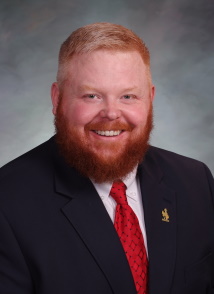
Rep. Cody Wylie
Sponsored bills
Maddy summaryHB 235 creates a new categorical grant program to fund career and technical education (CTE) supplies, materials, and equipment for Wyoming public school districts. It provides funding calculated as $14,184.68 per full-time equivalent CTE teacher (based on district reports from the prior year), paid by February 15 of each school year. Funds must be used exclusively for CTE program supplies/equipment and cannot replace existing education funding. School districts must apply annually, report expenditures, and comply with department of education rules.
Maddy summaryWyoming's SF 42 creates a new "resort hotel liquor license" category for hotels meeting specific requirements. To qualify, a resort hotel must have a minimum $10 million valuation (including land), include a restaurant, offer at least 35 short-term guest rooms, provide 12-hour daily dining, and have meeting space for 50+ people. The license requires an annual fee between $500 and $3,000, and licensees may not sell alcohol for off-premises consumption except via catering permits. This bill directly affects owners or lessees of large resort hotels seeking to serve alcohol on-site, with provisions taking effect July 1, 2025.
Maddy summaryHB 140, the Continuity of Permitting Act, ensures that building permit and land use applications pending at the time a county annexes land into a city or town remain under the county's handling until they are approved or denied. After a decision is made, jurisdiction transfers to the newly annexed city or town. This directly affects property owners, developers, and local governments with pending applications during annexation events. The law applies to all such applications filed on or after July 1, 2025, preventing delays or confusion during the transition.
Maddy summaryHB 110 requires nonresidents applying for a Wyoming trapping license to provide two specific documents: a notarized affidavit confirming their state of residence and proof that their home state issues similar trapping licenses to Wyoming residents. This bill directly affects nonresidents seeking to trap in Wyoming, ensuring reciprocity by verifying that their state permits Wyoming residents to trap the same species. The key change adds these verification steps to the application process, effective July 1, 2025. The bill does not alter trapping regulations but modifies licensing eligibility requirements.
Maddy summaryHB 178 increases Wyoming employees' time off to vote from one hour to two hours during election hours (polling hours) for primary, general, or special elections to fill a U.S. House of Representatives seat. It ensures employees do not lose pay for this time off when they cast a legal vote, applying to all eligible voters except those with three or more consecutive nonworking hours during polling. The bill modifies existing law (W.S. 22-2-111) to clarify these provisions and takes effect July 1, 2025. This directly affects Wyoming workers participating in federal elections who need to vote during standard work hours.
Maddy summaryHB 237 modifies Wyoming's license plate issuance process. It shifts responsibility for issuing standard license plates from county treasurers to the Department of Transportation (DOT), clarifies the number of plates provided per vehicle, and eliminates the requirement to replace plates after a fixed time period. The bill also mandates rulemaking by the DOT and updates related statutes. This procedural change primarily affects all vehicle owners who register vehicles in Wyoming by streamlining plate issuance and removal of outdated replacement rules.
Maddy summaryHB 204 increases fees for nonresident fishing licenses in Wyoming. It raises the annual license from $100 to $110, the daily license from $12 to $14, and the five-day license from $54 to $60. These changes directly affect out-of-state anglers who purchase fishing licenses in Wyoming. The fee increases will take effect on July 1, 2025.
Maddy summaryHB 225 allows people attending Wyoming legislative meetings to park on streets without time limits during official sessions. It specifically prohibits local ordinances from restricting parking duration: (1) within the Capitol complex during active legislative or committee meetings, and (2) within one-half mile of any official meeting location during those sessions. The law applies to all attendees, including the public and legislators, and takes effect July 1, 2025. This bill directly modifies parking regulations to accommodate meeting attendance without imposing time restrictions.
Maddy summaryWyoming's HB 197 limits fees that local governments can charge developers to fund affordable or workforce housing. It caps these fees at 4% of construction costs (or less based on impact studies), exempts the first 3,000 square feet of single-family homes and 1,750 square feet of multi-family units, and prohibits fees for agricultural land subdivisions. Developers must receive written fee notices within 30 days and can request a detailed, individualized explanation of the fee calculation from local authorities. The law applies to all cities, towns, and counties issuing land use permits for residential or commercial projects.