

Maddy summaryThis bill proposes a constitutional amendment to exempt the primary residence (including up to 25 acres of land) of certain veterans from property taxes. It directly affects veterans certified with a 100% permanent and total service-connected disability, and their surviving spouses who haven't remarried and keep the property as their primary residence. If approved by voters, the amendment would add this exemption to Wyoming's constitution, requiring the legislature to implement it through general law. The change would provide tax relief for eligible veterans and surviving spouses by removing property tax liability on their primary homes.
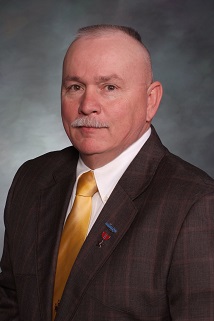
Rep. Clarence Styvar
Sponsored bills
Maddy summaryHB 234 prohibits state and local governments from collecting or maintaining lists of privately owned firearms or their owners using specific merchant codes (like "firearms codes") in payment processing. It also bans payment processors from requiring such codes for firearm retailers or discriminating against them by charging higher fees or refusing transactions based on firearm sales. The bill directly affects firearm retailers, payment processors, and state agencies by restricting how firearm-related transaction data can be handled. Violations could lead to civil actions or criminal penalties, including misdemeanor charges for knowingly violating these provisions.
Maddy summaryWyoming's HB 153 creates a permanent vehicle registration option for non-commercial vehicles that are 15 years old or older. Owners pay a one-time fee (including an $87.50 state admin fee plus three times the standard annual registration fee) to replace annual renewal, receiving permanent license plates marked "Permanent" with no expiration date. This change applies only to qualifying vehicles owned by individuals, not commercial fleets, and permanently registered vehicles cannot be transferred to new owners - new owners must pay full registration fees. The bill modifies existing registration statutes to implement this system while maintaining annual renewal requirements for all other vehicles.
Maddy summaryHB 278 (Wyoming bill) requires county clerks to publicly test voting machines before elections and make these tests accessible to the public. It mandates posting public notices 5 days before testing (or 24 hours before re-tests), allowing political party representatives and the public to observe accuracy checks and counter resets. The bill removes the previous presumption that machines were properly prepared, instead requiring documented testing that verifies counters start at zero and accurately count votes. These changes apply directly to Wyoming county clerks and election officials managing voting systems.
Maddy summaryThis bill designates a 36.5-mile segment of US Highway 16 in Johnson County (between mile markers 52.47 and 89) as the "USMC CPL Seth Rasmuson Memorial Highway" to honor a Marine Corps corporal. It authorizes the Wyoming Department of Transportation to install appropriate signage and appropriates $3,000 from the general fund for this purpose, with funds expiring June 30, 2026. The bill has no policy impact beyond naming the highway segment and installing commemorative signage.
Maddy summaryWyoming's SF 124 would require employers to verify the immigration status of potential employees before hiring and report unauthorized workers to law enforcement. It mandates that law enforcement officers ask about immigration status during detentions and notify federal agencies when encountering unauthorized aliens. The bill also requires verification of lawful presence for individuals applying for state or local public benefits (excluding emergency medical care and disaster relief). These provisions directly affect employers, law enforcement agencies, and immigrants seeking public benefits or employment in Wyoming. The bill is currently pending in the Judiciary Committee with a recommendation for amendment.
Maddy summaryHB 210 prohibits individuals or businesses from charging fees for advising or assisting veterans with benefits claims, except as permitted under federal law. It requires all service providers to use written agreements with specific disclosures - clearly stating they are not affiliated with the VA or state veterans' agencies - and to avoid guaranteeing specific benefits. The bill mandates that fees comply with federal standards (38 C.F.R. § 14.636) and bans excessive charges, while requiring providers to inform veterans about free alternatives like county veterans' service offices. This law applies to new agreements starting July 1, 2025, directly affecting veterans seeking benefits help and the organizations offering such services.
Maddy summaryThis bill creates a "Residential Property Tax Reduction Account" to fund property tax refunds for Wyoming homeowners. It directly affects primary residence owners who paid property taxes in the prior year, capping refunds at $13,300 per household. Key mechanisms include funding the account from unappropriated general fund balances (exceeding 5% of projected receipts) and mineral trust earnings, with refunds paid proportionally if funds are insufficient. Refunds will begin for 2025 taxes in 2026, with even years capped at half the account balance and odd years using the full balance. The program defines "primary residence" as where a homeowner lived at least six months of the tax year.
Maddy summaryHB 115, the Medical Ethics Defense Act, allows healthcare providers (including doctors, nurses, and pharmacists), healthcare institutions (like hospitals), and healthcare payers (such as insurance companies) to refuse participation in or payment for specific medical services based on their ethical, moral, or religious beliefs. The bill requires written consent before a provider performs an abortion and prohibits discrimination against providers who decline services for conscience reasons, while protecting religious organizations’ rights to make decisions aligned with their faith. It explicitly states these rights do not override duties to provide emergency care or other services not conflicting with their beliefs. The law also prevents adverse licensing actions or discrimination for exercising these conscience-based decisions.
Maddy summaryHB 303, the "Second Amendment Protection Act-amendments," creates legal liability for Wyoming government entities or peace officers who enforce federal firearm regulations. It establishes a civil cause of action allowing individuals harmed by such enforcement to seek damages, including penalties up to $50,000 per violation, plus attorney fees. The bill specifically prohibits state officers from implementing federal rules on firearms, accessories, magazines, or ammunition, while clarifying that it does not block Wyoming from accepting federal law enforcement funding. This bill directly affects Wyoming peace officers, local governments, and state agencies that might enforce federal firearm laws. It is pending legislative action and would take effect July 1, 2025, if passed.