

Maddy summaryAB 471 prevents cities, towns, and counties from banning residents or businesses from using digital assets (like cryptocurrency) to pay for goods/services or storing them in personal wallets (e.g., hardware or self-hosted wallets). It explicitly allows individuals to operate blockchain nodes, develop related software, transfer digital assets, and participate in staking (locking assets to support network security). The bill defines key terms like "digital asset" and "stake" to clarify these protections, ensuring local governments cannot restrict these activities. This directly affects digital asset users, service providers, and local governments across the state.
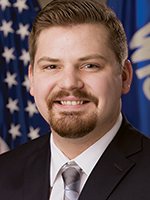
Rep. Gus Gustafson
Sponsored bills
Maddy summaryAB 511 classifies tobacco products into two categories for tax purposes: traditional cigarettes (burning tobacco) and "heating tobacco" products (tobacco heated without combustion, excluding vapor products). It imposes a $0.63 per cigarette tax on lighter heating tobacco products (≤3 pounds per thousand) and $1.26 on heavier ones, while traditional cigarettes face lower base rates ($0.126/$0.252) with federal tax adjustments. The bill also requires distributors to pay an inventory tax on existing stock when rates increase, due within 30 days of the rate change. This directly affects tobacco manufacturers, distributors, and retailers selling these products in the state. The legislation modifies existing tax structures without banning products or making health claims.
Maddy summaryAB 389 would require California's Department of Motor Vehicles to add a visible symbol or notation on driver's licenses and identification cards to indicate veteran status for certain service members. It directly affects veterans who have received an honorable discharge or have a service-connected disability, allowing them to visibly identify their military service. The key provision mandates that the DMV create and implement this indicator on state-issued IDs, with the specific symbol to be determined by the agency. The bill is currently pending in the Assembly, having recently received a fiscal estimate and added co-authors.
Maddy summaryAB 327 increases the empty weight limit for utility terrain vehicles (UTVs) from 3,000 pounds to 3,500 pounds under Wisconsin law. This change directly affects UTV operators and manufacturers by expanding the regulatory threshold for vehicles classified as UTVs (excluding golf carts, dune buggies, and tracked vehicles). The bill amends two sections of statutes to reflect this updated weight limit, which applies to vehicles originally manufactured with that weight capacity and designed primarily for off-highway use. The bill passed committee recommendations in November 2025 and is currently pending further legislative action.
Maddy summaryAB 546 redefines "abortion" in state statutes to exclude specific medical procedures performed to save a pregnant woman's life when doctors make reasonable efforts to preserve both the mother's and unborn child's life. It clarifies that procedures like emergency cesareans, early inductions, or removal of dead embryos/fetuses - especially during ectopic, anembryonic, or molar pregnancies - do not count as abortion. The bill creates consistent definitions across multiple statutes (including 20.927, 48.375, and 69.01) to ensure these medical exceptions apply uniformly. It directly affects healthcare providers by clarifying legal boundaries for life-saving treatments during complex pregnancies. The bill does not restrict access to these procedures but explicitly defines them as non-abortion under the law.
Maddy summaryAB 245 modifies the state's sales and use tax exemption for businesses operating qualified data centers. It defines a "qualified data center" as buildings (or connected buildings) owned, leased, or operated by a single business entity, designed to house server computers for processing, storing, or managing data. The bill adds provisions allowing data centers to offer rental space, utilities, and infrastructure services to tenants, while explicitly excluding cryptocurrency-related facilities from the tax exemption. This directly affects data center operators and their tenants by clarifying eligibility for tax benefits and expanding allowable services.
Maddy summaryAB 493 authorizes community solar programs where multiple households share power generated from a single solar facility. It requires municipalities to approve new community solar projects with a two-thirds vote of their governing body (unless zoning allows it automatically), limits facility size to 5 megawatts (or 20 megawatts on previously developed sites like parking lots), and ensures no single subscriber controls more than 40% of the facility’s output. This directly affects local governments (through zoning rules), solar developers ("subscriber organizations"), and residents who join these programs. The bill defines key terms like "community solar facility" and "subscriber" to standardize program rules and interconnection with utilities.
Maddy summaryAB 563 requires hospitals and ambulatory surgical centers to implement policies preventing exposure to surgical smoke during procedures. It mandates the use of smoke evacuation systems (equipment capturing smoke at the source) in operating rooms for any surgery likely to generate surgical smoke - defined as gaseous byproducts from tools like lasers or scalpels. Exceptions allow providers to skip the system if they determine it's unnecessary for a specific procedure. The bill directly affects healthcare facilities and surgical staff by establishing a concrete safety standard for smoke exposure.
Maddy summaryAB 362 requires all public school districts and charter schools to create written cardiac emergency response plans for cardiac emergencies occurring on school property or at school-sponsored athletic events, starting in the 2026-27 school year. These plans must include core elements like designated response teams, clear AED placement and maintenance, annual drills, and staff training in CPR and AED use following American Heart Association guidelines. Schools must also ensure coaches at athletic events hold current CPR/AED certification and that AEDs are accessible at all athletic venues. The law directly affects all K-12 schools and their staff, aiming to improve immediate response to cardiac emergencies.
Maddy summaryAB 640 sets a maximum age of 75 for new appointments or elections to the state supreme court or trial court judgeships. It prohibits anyone turning 75 or older from being appointed or elected to these positions on or after their 75th birthday. The bill excludes temporary reserve judges appointed under separate statutes. This directly affects future judicial candidates and appointments, not current judges.