

Maddy summaryAB 418 requires long-term care facilities (including nursing homes and assisted living facilities) and hospitals to allow specific visitation during communicable disease outbreaks. It mandates that facilities permit at least one "essential visitor" (designated by the resident or their legal representative) or one "member of the clergy" for compassionate reasons like end-of-life care, grief support, or when a healthcare professional determines the visitor's presence benefits the patient. Facilities may deny visitation only if the visitor refuses to follow health protocols, poses a contagion risk, or the patient objects. The bill also creates a process for residents or families to file complaints if facilities violate these rules.
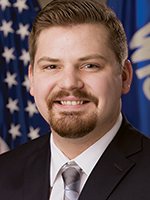
Rep. Gus Gustafson
Sponsored bills
Maddy summaryAB 311 would allow transgender and intersex individuals to update their sex marker on birth certificates without requiring medical documentation. The bill directly affects people seeking to align their legal identity with their gender identity through simplified administrative changes. Key provisions would replace current requirements (like court orders or medical certifications) with a straightforward self-attestation process. The bill is currently under review in the Assembly Judiciary Committee after being introduced on June 6, 2025.
Maddy summaryAB 421 prohibits cities, towns, and counties from enacting "rights of nature" ordinances that grant legal rights to natural resources like rivers or forests. The bill defines such ordinances as those conferring rights to exist, be protected from pollution, or maintain healthy ecosystems. It creates a new state law (66.0132) banning these local measures, preventing municipalities from using this approach to legally protect natural areas. The bill was introduced in September 2025 and referred to the Judiciary Committee.
Maddy summaryAB 405 requires public schools in Wisconsin to include specific instruction on pregnancy, prenatal development, and childbirth within existing human growth and development curriculum. It directly affects K-12 students and educators by mandating these topics be taught as part of standard health education. The bill amends current curriculum standards to ensure this content is integrated into required instructional programs. This is a substantive policy change to educational content, not a procedural or commemorative measure.
Maddy summaryAB 214 modifies Wisconsin town government procedures for appointing clerks and treasurers. It allows towns with 2,500+ residents to combine these roles under new rules, including immediate implementation when both positions become vacant or upon vacancy in one role. The bill updates deputy appointment rules (removing residency requirements) and adjusts highway discontinuance timelines. These changes primarily affect municipal officials in Wisconsin towns operating under the specified statutes.
Maddy summaryAJR 100 is a symbolic resolution recognizing October 2025 as "Vaccine Injury Awareness Month" in Wisconsin. It does not create new laws, programs, or funding; instead, it formally acknowledges the national observance to raise awareness about vaccine-related injuries and support affected individuals and families. The resolution highlights the use of a black ribbon symbol for this awareness month and notes concerns about incomplete vaccine information in medical settings. This is a procedural recognition by the Wisconsin Legislature with no direct policy or regulatory changes.
Maddy summaryAB 198 creates two key programs: (1) grants for technical colleges offering emergency medical services (EMS) training, provided they don't give admission priority based on residency; and (2) a reimbursement program for individuals or their employers who paid tuition/materials for initial EMS certification/licensure as an emergency medical responder or practitioner. Eligible applicants must complete required courses, pass exams, and obtain their license/certification through the Department of Health Services. The bill also establishes a "live 911" pilot program allowing grants for real-time video communication during emergency calls, requiring a performance report by October 2027. This directly affects EMS students, practitioners, their employers, and public safety answering points.
Maddy summaryAB 353 requires hospitals to provide clear, upfront pricing for services and restricts certain aggressive debt collection tactics against patients. It directly affects hospitals by mandating transparent cost disclosures and patients by limiting how debt collectors can pursue unpaid medical bills. Key provisions include requiring hospitals to publish standard charges and prohibiting collectors from garnishing wages or threatening lawsuits for small amounts. The bill also establishes penalties for violations of these transparency and debt collection rules. This legislation aims to make healthcare costs more understandable and protect patients from excessive collection practices.
Maddy summaryAB 199 changes reimbursement rates for ambulance services under Wisconsin's Medical Assistance program (state Medicaid) when patients are not transported to a facility. Starting January 1, 2027, the state will increase payments for "ambulance response and treatment, no transport" (code A0998) to match the rate for transport services (code A0429), directly benefiting ambulance providers. The bill also requires the Department of Health Services to annually report by September 15 on how national changes to emergency medical responder scope of practice may affect training in Wisconsin. These provisions specifically impact ambulance service providers, state health officials, and the Medical Assistance program.
Maddy summaryAB 522 clarifies rules for skateboard and in-line skate use on public roads. It establishes that riders must follow safety rules (e.g., riding carefully, not attaching to vehicles) and prohibits use on certain roadways without local permission. Local governments gain authority to restrict skateboard use on their streets via ordinance, while still allowing crosswalk crossings. The bill also updates legal definitions to exclude skateboards from "recreational vehicles" and prohibits towing them. These changes directly affect skateboard users, municipalities, and road safety regulations.