

Maddy summaryAB 657 exempts sales and use taxes for specific equipment and materials used exclusively in qualified nuclear fusion technology projects. It covers over 70 listed items, including plasma heating systems, superconductors, diagnostic tools, specialized materials like lithium and tungsten, and safety equipment. The exemption applies to businesses conducting fusion projects focused on energy generation, medical isotope production, research, or other fusion-related applications as defined in the bill. This policy directly reduces costs for companies developing nuclear fusion technology by eliminating taxes on qualifying purchases.
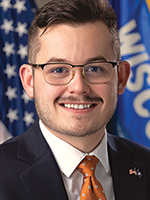
Rep. Calvin Callahan
Sponsored bills
Maddy summaryAB 822 modifies Wisconsin's local roads improvement program for town road projects. It exempts projects under $65,000 from requiring registered engineer certification, sets a minimum 10-year design life for funded improvements (requiring professional review for shorter assessments), and prevents counties from contracting with towns for road work they've already estimated. The bill creates new deadlines for towns to submit applications to county facilitators and establishes committees to review funding requests. These changes directly affect towns seeking road funding, counties managing projects, and county highway commissioners handling contracts.
Maddy summaryAB 180 requires the state Department of Health Services to request a federal waiver from the USDA to prohibit the use of FoodShare benefits (the state's name for SNAP) for purchasing candy or sugary drinks. The bill mandates that if the waiver is granted, candy and sugary drinks would be excluded from eligible items; if denied, the state must reapply annually. This applies directly to FoodShare recipients who currently can use benefits for these items. The bill creates a procedural requirement for the state to seek this change but does not immediately ban the purchases.
Maddy summaryThis bill updates Wisconsin laws regarding rental car theft liability and criminal penalties for devices used to steal vehicles. It defines "negligent vehicle management" to include leaving a rental car running or failing to have the ignition key during a theft, which can affect whether a renter is held financially responsible for damages. The bill also makes it a felony to sell, possess, or use devices that can electronically program or emulate car keys or intercept key fob signals, and requires authorized users to report lost or stolen devices within 48 hours. Additionally, it creates a legal defense for rental companies if they mistakenly charge a renter for damages while the renter had purchased a damage waiver.
Maddy summaryAB 1019 allows vehicle owners to purchase an annual state park admission receipt when registering or renewing their vehicle license. It adds a line on vehicle registration forms where owners can choose to pay an additional fee (with discounts for seniors or those with existing park passes). The collected fees are deposited quarterly into the conservation fund, specifically for state parks, recreation areas, and forest lands. This affects all vehicle owners in the state during registration, streamlining park access without requiring separate purchases.
Maddy summaryAB 1045 defines "wake-enhanced boating" as intentionally creating a large wake for activities like wakeboarding using devices such as ballast tanks. It sets state minimum restrictions: wake-enhanced boating must occur at least 500 feet from shore and in water at least 20 feet deep, while standard water sports (e.g., tubing) remain unaffected. Local governments can impose stricter rules - such as banning the activity in specific areas or requiring greater distances - and the bill provides legal protection for them when enforcing these rules in good faith. This directly affects boaters engaging in wake-enhanced activities and local authorities managing waterway regulations.
Maddy summaryAB 838 creates a $1.75 million grant from the environmental fund to the Town of Washington in Vilas County for dredging the Deerskin River. The grant covers specific dredging-related costs like permits, testing, and sediment transport. The town must complete the project by December 31, 2028, or repay the full amount to the department. If the project finishes early with unused funds, the town must return the unspent portion. This bill directly affects the Town of Washington’s river maintenance project without changing broader environmental regulations.
Maddy summaryAB 819 allows health care providers to offer discounts of up to 15% for prompt payment of fees by individuals covered under disability insurance policies. It directly affects health care providers serving patients with such coverage and requires providers to: (1) post discount policies online, (2) limit discounts to avoid collection costs, and (3) not shift discount costs to other patients or advertise discounts publicly. The bill does not require providers to offer discounts but prohibits them from reducing coinsurance/deductibles under disability insurance terms, except for these structured prompt payment discounts. It also ensures discounts comply with federal law and do not override existing provider contracts with insurers.
Maddy summaryAJR 127 is a proposed constitutional amendment that would prohibit the governor from using a partial veto to create or increase any tax or fee. If approved by voters, it would amend the state constitution to restrict the governor's partial veto power specifically regarding tax or fee increases. This change would directly affect the governor's authority when reviewing budget bills containing tax or fee provisions. The amendment is currently moving toward a voter referendum in November 2026, following legislative approval. It does not change current law but would require voter ratification to become effective.
Maddy summaryAB 990 would require Wisconsin high school students to earn at least 0.5 credits in personal financial literacy to graduate. The bill specifies that this course must cover topics like money management, saving/investing, credit/debt, and risk management. Schools could award credit for approved programs offered by financial institutions through school-based branches, as determined by the school board. This requirement would apply to students in high school grades once the law is enacted.