Issue · Healthcare

Healthcare

Every healthcare bill, vote, and legislator stance in Wisconsin, automatically classified by Maddy, our AI policy reader.

Total bills
386
2025-2026 Regular Session
Top supporter
Shannon Zimmerman
79% support rate
Top opponent
Russell Goodwin
31% support rate
Ranked legislators
10
5 support · 5 oppose
Key legislators

Who's moving healthcare in Wisconsin

Legislators moving healthcare in Wisconsin
Legislator Party Stance Support rate Votes
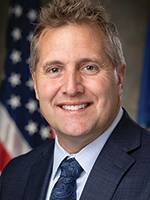
Shannon Zimmerman
Shannon Zimmerman House · District 30
R
Support
79% 35
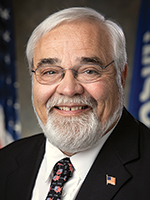
Will Penterman
Will Penterman House · District 38
R
Support
71% 41
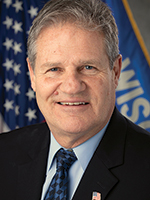
Jeff Mursau
Jeff Mursau House · District 36
R
Support
69% 44
Chanz Green
Chanz Green House · District 74
R
Support
67% 47
Paul Melotik
Paul Melotik House · District 22
R
Support
67% 47
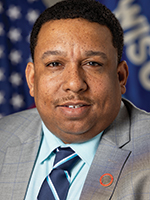
Russell Goodwin
Russell Goodwin House · District 12
D
Oppose
31% 42
Joe Sheehan
Joe Sheehan House · District 26
D
Oppose
33% 43
Vinnie Miresse
Vinnie Miresse House · District 71
D
Oppose
35% 46
Ryan Clancy
Ryan Clancy House · District 19
D
Oppose
38% 44
Christian Phelps
Christian Phelps House · District 93
D
Oppose
39% 47
Showing 371–380 of 386 bills

All healthcare bills

failed · Wisconsin · Assembly Mar 23, 2026

AB 111: Relating to: psychiatric residential treatment facilities, providing an exemption from emergency rule procedures, and granting rule-making authority.

AB 111 establishes new regulatory standards for psychiatric residential treatment facilities (PRTFs) serving individuals under 21. It requires state certification for PRTFs, sets federal compliance standards for services, and mandates that facilities meet specific safety and treatment protocols. The bill also grants the state health department rule-making authority to set bed limits, security requirements, and geographic distribution priorities for PRTFs - prioritizing northern/north-central and southern regions for new facilities. Additionally, it clarifies reimbursement processes tied to federal approval and permits video monitoring in common areas with patient notification, while prohibiting its use as a substitute for direct patient supervision.
Sub-Topics Mental Health
failed · Wisconsin · Assembly Mar 23, 2026

AB 675: Relating to: noncompete clauses for medical practitioners.

AB 675 prohibits noncompete clauses that restrict medical practitioners from working for more than 24 consecutive months after beginning employment. It also makes all noncompete agreements void if a medical practitioner’s employment is terminated by their employer. The bill applies to physicians, physician assistants, psychologists, and advanced practice nurses (including certified nurse prescribers and registered nurses). New or modified employment contracts after the law’s effective date must comply with these restrictions.
failed · Wisconsin · Assembly Mar 23, 2026

AB 128: Relating to: requiring first responders to be trained to administer epinephrine delivery systems. (FE)

AB 128 requires specific first responders - including firefighters, law enforcement officers, emergency medical personnel, correctional officers, and conservation wardens - to complete training on recognizing severe allergic reactions (anaphylaxis), safely storing and administering epinephrine delivery systems, and following up after use. The bill mandates that all qualifying first responders must have an epinephrine delivery system available during duty and be trained on all required subjects. The state department must compile and maintain a list of approved training organizations and may distribute epinephrine systems using existing funds. This legislation directly affects over 30,000 first responders across multiple agencies who respond to medical emergencies.
failed · Wisconsin · Senate Mar 23, 2026

SB 109: Relating to: clinician initiation of emergency detention of a minor and providing a penalty.

SB 109 allows licensed mental health clinicians (like psychologists, psychiatrists, or clinical social workers) in counties with fewer than 750,000 residents to initiate emergency detentions for minors under specific conditions. To qualify, clinicians must complete county-approved training, document their belief that a minor is mentally ill, drug-dependent, or developmentally disabled, and confirm that custody is the least restrictive option. The county department of community programs must approve the detention before a minor can be taken into custody and transported to a treatment facility. This bill directly affects clinicians who may now initiate such detentions, minors in crisis, and county departments responsible for oversight and transportation.
Sub-Topics Mental Health
failed · Wisconsin · Assembly Mar 23, 2026

AB 338: Relating to: coverage of treatment for mental health or substance use disorders under health insurance policies and plans.

AB 338 requires most health insurance plans (including those offered by state/local governments) to cover at least 28 annual therapy visits for mental health or substance use disorders without prior authorization. It mandates that insurers provide this minimum coverage per policy year, based on the insured's treatment goals. The law includes a cost-check mechanism: if insurers' actuarial analysis shows coverage would increase plan costs by over 10%, enforcement may be paused. This directly affects health insurers, self-insured public employer plans, and individuals seeking mental health/substance use treatment. The bill takes effect for new policy years starting after its publication date.
vetoed · Wisconsin · Senate May 13, 2026

SB 214: Relating to: registration of out-of-state health care providers to provide telehealth services. (FE)

SB 214 requires out-of-state health care providers (like doctors and nurses) to register with Wisconsin to offer telehealth services within the state. The bill establishes a new registration fee and mandates that providers maintain malpractice insurance coverage meeting Wisconsin’s standards for health care providers. It also requires registrants to report any license issues to Wisconsin authorities. The law directly affects telehealth providers from other states seeking to serve Wisconsin patients remotely. This bill creates a formal registration process to ensure provider accountability and patient protection in telehealth.
Sub-Topics Insurance Telehealth
failed · Wisconsin · Senate Mar 23, 2026

SB 258: Relating to: advanced practice registered nurses, extending the time limit for emergency rule procedures, providing an exemption from emergency rule procedures, and granting rule-making authority. (FE)

SB 258 modifies statutes to allow certified licensed advanced practice registered nurses (APRNs) to certify physical disabilities for permit applications, expanding the list of eligible professionals alongside physicians and other healthcare providers. Specifically, it amends sections 29.193 to permit APRNs to prepare and sign medical reports verifying physical disabilities for applicants seeking permits, replacing "licensed physician" with a broader list that includes APRNs in these contexts. The bill also makes technical changes to other statutes related to APRNs' practice authority but does not alter core scope-of-practice rules. This directly affects applicants for disability permits who may now use APRNs for required medical certifications. The bill focuses on administrative updates rather than new policy mandates.
failed · Wisconsin · Assembly Mar 23, 2026

AB 176: Relating to: financial eligibility for the Alzheimer’s family and caregiver support program. (FE)

AB 176 repeals the financial eligibility requirement (section 46.87(5m)) for Wisconsin's Alzheimer's family and caregiver support program. It updates two sections of the law to remove references to this repealed requirement, clarifying that eligibility now depends on meeting the financial criteria previously defined under the repealed section. The bill directly affects Alzheimer's patients and their caregivers in residential facilities who previously needed to satisfy these financial standards to receive program services. The key change is eliminating the specific financial threshold that determined program access, streamlining eligibility without creating new benefits or funding. This is a technical adjustment to existing statutes, not a substantive policy change.
failed · Wisconsin · Assembly Mar 23, 2026

AB 402: Relating to: coverage of maternity and newborn care under health insurance policies and plans and granting rule-making authority.

AB 402 requires all health insurance plans in Wisconsin to cover maternity and newborn care services. It grants the Commissioner of Insurance authority to create specific rules for implementing this coverage requirement. The bill directly affects health insurance providers and ensures these services are included in standard coverage for policyholders.
failed · Wisconsin · Senate Mar 23, 2026

SB 349: Relating to: payment for school medical services. (FE)

SB 349 increases state reimbursement for school medical services from 60% to 100% of the federal share for eligible school districts, cooperative educational service agencies, and specialized programs like the Wisconsin Center for the Blind and Visually Impaired. It also raises reimbursement for allowable administrative costs from 90% to 100% of the federal share. The bill applies to all entities providing school medical services that meet federal requirements and allows claims for transportation costs as part of these services. This change directly affects school districts and specialized educational programs by increasing state funding for these services.
Sub-Topics Student Health
Showing 371 to 380 of 386 bills