Issue · Healthcare

Healthcare

Every healthcare bill, vote, and legislator stance in Wisconsin, automatically classified by Maddy, our AI policy reader.

Total bills
386
2025-2026 Regular Session
Top supporter
Shannon Zimmerman
79% support rate
Top opponent
Russell Goodwin
31% support rate
Ranked legislators
10
5 support · 5 oppose
Key legislators

Who's moving healthcare in Wisconsin

Legislators moving healthcare in Wisconsin
Legislator Party Stance Support rate Decisive votes
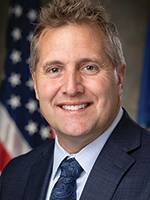
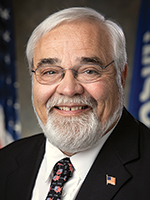
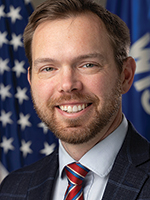
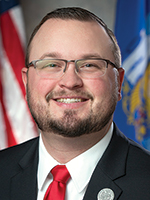
Shannon Zimmerman
Shannon Zimmerman House · District 30
R
Support
79% 14
Will Penterman
Will Penterman House · District 38
R
Support
71% 17
Jeff Mursau
Jeff Mursau House · District 36
R
Support
69% 16
Adam Neylon
Adam Neylon House · District 15
R
Support
67% 18
Alex Dallman
Alex Dallman House · District 39
R
Support
67% 18
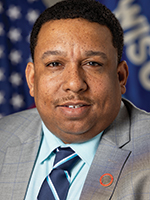
Russell Goodwin
Russell Goodwin House · District 12
D
Oppose
31% 16
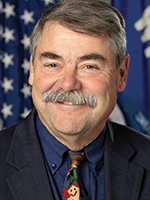
Joe Sheehan
Joe Sheehan House · District 26
D
Oppose
33% 15
Vinnie Miresse
Vinnie Miresse House · District 71
D
Oppose
35% 17
Ryan Clancy
Ryan Clancy House · District 19
D
Oppose
38% 16
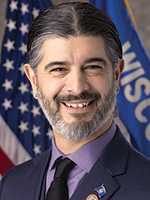
Alex Joers
Alex Joers House · District 81
D
Oppose
39% 18
Showing 271–280 of 386 bills

All healthcare bills

passed · Wisconsin · Senate Mar 23, 2026

SB 384: Relating to: requirements for children born alive following abortion or attempted abortion and providing a penalty.

SB 384 requires health care providers to provide the same standard of care and immediate hospital transport for any child born alive after an abortion or attempted abortion, as they would for any newborn of the same gestational age. Violating these requirements is a Class H felony, but the mother cannot be prosecuted for the incident. The bill also allows affected women to seek triple the cost of the abortion as civil damages, plus attorney fees, while protecting their identity through court confidentiality orders. It explicitly states the law does not create or recognize a right to abortion.
passed both · Wisconsin · Senate May 14, 2025

SJR 32: Relating to: designating the first full week in May as Tardive Dyskinesia Awareness Week.

SJR 32 designates the first full week in May as Tardive Dyskinesia Awareness Week. This resolution aims to raise awareness about Tardive Dyskinesia (TD), a condition causing involuntary movements often linked to antipsychotic medication use, and to encourage early detection and intervention for individuals prescribed these medications.
failed · Wisconsin · Senate Mar 23, 2026

SB 308: Relating to: a grant to assist in the purchase and renovation of an existing facility in the city of Chippewa Falls to provide a 50-bed treatment center to men with substance use disorders. (FE)

SB 308 allocates $1 million in state funding to Lutheran Social Services of Wisconsin and Upper Michigan to purchase and renovate an existing facility in Chippewa Falls. The grant will create a 50-bed treatment center specifically for men with substance use disorders who need recovery services. The bill directs the Department of Administration to award this grant in the 2025-26 fiscal year. It directly affects men in Chippewa Falls seeking substance use treatment by providing a dedicated facility. The key mechanism is the state grant covering facility acquisition and renovation costs.
Sub-Topics Substance Abuse
failed · Wisconsin · Assembly Mar 23, 2026

AB 184: Relating to: coverage of individuals with preexisting conditions and benefit limits under health plans.

AB 184 establishes state-level regulations for health plans concerning coverage for individuals with preexisting conditions and benefit limits. The bill mandates that most individual and group health plans accept all applicants, prohibits preexisting condition exclusions, and bans lifetime and annual dollar limits on benefits. It also restricts how health plans can vary premium rates based on factors like age and tobacco use. These provisions would only become applicable if related federal Affordable Care Act (ACA) requirements are no longer enforceable or no longer preempt state law.
Sub-Topics Insurance
failed · Wisconsin · Senate Mar 23, 2026

SB 271: Relating to: right to bodily autonomy, elimination of certain abortion-related regulations, and coverage of abortion under certain health care coverage plans. (FE)

SB 271 establishes a fundamental right to abortion under Wisconsin law (253.094), stating individuals have the right to bodily autonomy and access abortion at any pregnancy stage if medically necessary. It mandates abortion coverage in all state health plans offering maternity care (40.51(9m)), repeals parental consent requirements for minors (46.245), and eliminates gestational age limits and "medical emergency" restrictions (253.107, 253.10). The bill directly affects patients seeking abortion care, healthcare providers, and insurers offering state-sponsored health plans. It removes existing regulatory barriers while requiring coverage for abortion services without new funding mandates.
Sub-Topics Women's Health
failed · Wisconsin · Assembly Mar 23, 2026

AB 448: Relating to: nonprofit agricultural organization health benefit coverage.

AB 448 allows eligible nonprofit agricultural organizations (specifically, long-standing, member-directed cooperatives established before 1922 and meeting IRS 501(c)(5) requirements) to provide health benefit coverage exclusively to their members and members' families. Key provisions require these organizations to offer coverage in all state counties, provide written notice clarifying this is not health insurance, cover all physician services without preexisting condition exclusions beyond six months, and maintain sufficient financial reserves via annual actuarial reviews. The bill also mandates reinsurance with state-authorized companies and establishes complaint resolution processes mirroring those for standard health insurance. This framework directly affects qualifying agricultural co-ops and their members, creating a regulated pathway for member-only health benefits while ensuring basic consumer protections.
Sub-Topics Insurance
failed · Wisconsin · Assembly Mar 23, 2026

AB 301: Relating to: grants to mental health clubhouses and making an appropriation. (FE)

AB 301 creates a new grant program providing up to $300,000 annually for mental health clubhouses - nonresidential support programs for individuals with mental health conditions (not medical treatment providers). Eligible clubhouses must meet specific criteria, including having members diagnosed with or awaiting diagnosis for mental illness, raising matching funds equal to the grant amount, operating in a separate physical space, and allowing member participation in operations. Grants are capped at $50,000 per clubhouse per year, with all funding expiring by June 30, 2030. This bill directly affects qualified clubhouses seeking financial support to maintain their services.
failed · Wisconsin · Senate Mar 23, 2026

SB 83: Relating to: utilization management controls for antipsychotic prescription drugs under the Medical Assistance program. (FE)

SB 83 creates exceptions to prior authorization requirements for antipsychotic drugs under the state's Medical Assistance program (Medicaid). It specifies four situations where prior approval isn't needed for recipients aged 18+: if the drug was previously approved at a different dose, the recipient was recently enrolled after 30 days of continuous use, prior authorization expired after 60 days of continuous use, or the recipient was stabilized on the drug after a recent hospital discharge. The bill does not override federal Medicaid rules. It directly affects Medicaid recipients prescribed antipsychotic medications who meet these specific criteria.
Sub-Topics Hospitals Medicaid
failed · Wisconsin · Senate Mar 23, 2026

SB 174: Relating to: coverage of individuals with preexisting conditions and benefit limits under health plans.

Senate Bill 174 establishes state regulations for health plans regarding preexisting conditions and benefit limits. It would prevent individual and group health plans from denying coverage or imposing exclusions based on an individual's preexisting health condition. The bill also prohibits lifetime and annual dollar limits on benefits and sets rules for how premium rates can vary for individual and small employer plans. These provisions would only take effect if federal Affordable Care Act regulations related to these issues are no longer enforceable or preempt state law.
Sub-Topics Insurance
failed · Wisconsin · Senate Mar 23, 2026

SB 373: Relating to: prior authorization for coverage of physical therapy, occupational therapy, speech therapy, chiropractic services, and other services under health plans.

SB 373 limits health insurance plans' use of prior authorization for physical therapy, occupational therapy, speech therapy, and chiropractic care. It prohibits requiring prior approval for the first 12 visits per condition (or 90 days for chronic pain management at up to twice weekly visits) and mandates equivalent copays to primary care. Insurance plans must explain coverage denials in plain language and decide on reauthorizations within 3 business days (or approval is automatic). This directly affects health insurance plans and patients seeking these specific therapies in the state.
Sub-Topics Insurance Primary Care
Showing 271 to 280 of 386 bills
Previous 1 … 27 28 29 … 39 Next