

Maddy summarySB 525 establishes a two-county pilot program starting October 1, 2026, requiring child protective services (CPS) workers to use mobile devices (like tablets) during child abuse and neglect investigations. The bill mandates that devices must create real-time digital records, securely upload data daily, work with existing systems, and be used in at least 70% of cases in the pilot counties. The Department of Health and Human Resources must analyze monthly quality metrics and submit annual reports to the legislature on the program’s progress. This directly affects CPS workers in the two participating counties and the state department managing child welfare investigations.
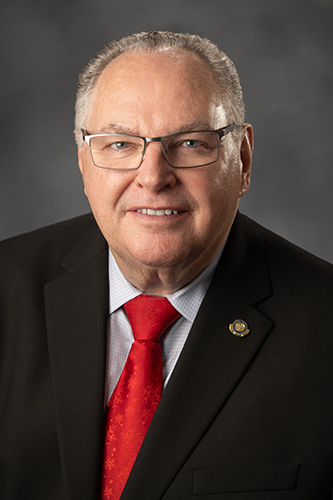
Sen. Rollan Roberts
Sponsored bills
Maddy summarySenate Bill 521 requires West Virginia's Department of Human Services (DoHS) to develop and implement a statewide prevention plan by January 1, 2027. The plan must provide trauma-informed, evidence-based services to children under 18 and their families - including those in foster care, with open child welfare cases, aging out of foster care (up to age 21), post-adoption, or transitioning between care levels. DoHS must ensure services are accessible through a mix of physical locations and telehealth, track outcomes, and report annually starting December 2027 on family counts, costs, and regional outcomes (using de-identified data). The bill also directs DoHS to seek federal funding under the Family First Prevention Services Act to maximize state resources for these programs.
Maddy summaryThis bill creates a special revenue account within West Virginia's Department of Human Services to reduce out-of-state residential placements for children in state care. It establishes a Commission with representatives from child welfare, behavioral health, juvenile justice, education, and court systems to study current placement practices and develop strategies to expand in-state treatment capacity. Key provisions require the Commission to report annually with an implementation plan targeting a 50% reduction in out-of-state placements within three years, while promoting collaboration between agencies through joint funding proposals and improved access to in-state facility data. The bill directly affects children in foster care or juvenile justice systems, their families, and state agencies responsible for their care.
Maddy summaryThis bill requires West Virginia dental insurance companies to publicly report how much of each premium dollar is spent on actual dental care versus administrative costs, using a standardized format similar to federal requirements. It mandates annual transparency reports showing medical loss ratios (the minimum percentage of premiums spent on care), allows consumers to compare insurers online, and requires rebates to policyholders if less than 80% of premiums fund patient care. The law also prohibits insurers from forcing dentists to accept only credit card payments with fees and ensures clear payment method options. It directly affects dental insurers, dentists, and dental insurance customers in West Virginia.
Maddy summarySenate Bill 539 (SB 539) increases compensation rates for panel attorneys and guardians ad litem appointed in West Virginia abuse and neglect cases. The bill amends existing statutes to require detailed time records (in tenths of hours) for services, mandates payment within 45 business days of voucher submission, and establishes clear dispute resolution processes for rejected or reduced payments. It directly affects legal professionals representing vulnerable clients in child welfare and protective services cases. Key provisions include standardized payment timelines, electronic voucher processing, and court-level final authority for payment disputes. The bill focuses on improving payment fairness and efficiency for court-appointed advocates in these critical cases.
Maddy summarySB 476, the "Selecting Neutral Accreditors Act," requires West Virginia public universities to stop using accreditors that mandate or consider Diversity, Equity, and Inclusion (DEI) initiatives as part of accreditation. It directs each university's governing board to review its accreditor by July 1, 2026, and switch to an accreditor that does not require DEI practices (e.g., DEI training, courses, or metrics) within the past five years. If no such accreditor exists, the university must report this to the legislature. The bill directly affects all public higher education institutions in West Virginia and aims to remove DEI requirements from the accreditation process, which is tied to federal student loan eligibility.
Maddy summaryWest Virginia's SB 498, titled the "Protecting Kids from Porn" Act, requires websites providing adult content (where over 25% of material is explicit) to implement strict age verification before allowing access. It mandates a four-step process: facial recognition, government ID verification, credit card authentication for adults, and third-party checks, with re-verification every 24 hours. The law prohibits bypassing these measures via VPNs or proxies and imposes significant penalties, including $1 million per violation, permanent blocking of non-compliant sites, and civil liability up to $10,000 per minor exposed. It directly affects commercial adult websites operating in West Virginia and aims to prevent minors from accessing pornographic material online.
Maddy summarySB 444 amends West Virginia law to improve how the Industrial Access Road Fund is managed and used. It allows counties to retain unobligated funds for three years (instead of reverting immediately) and enables counties within regional economic development organizations to pool funds for shared industrial road projects across county lines. The bill also waives surety bond requirements for federally funded projects and clarifies that funds can cover signage, safety upgrades, and matching federal infrastructure projects. This directly affects counties, municipalities, and industrial developers seeking to build or improve roads connecting to manufacturing, distribution, or economic development sites.
Maddy summarySenate Bill 462 requires most employers in West Virginia to use the federal E-Verify system to confirm whether new employees are legally permitted to work before hiring them. Employers must create an E-Verify account, temporarily employ new workers until verification is complete, and maintain records for three years or the length of employment, whichever is longer. The bill also prohibits local governments from creating conflicting rules and allows the labor commissioner to access specific state records (like driver’s license databases) to verify work status while protecting personal information. This applies to all businesses and organizations employing workers in West Virginia, with exceptions for employees hired before the bill’s effective date and those already exempt under federal law.
Maddy summarySB 447 amends West Virginia's Industrial Access Road Fund to clarify spending rules and raise monetary limits. It increases the annual county allocation cap for unmatched funds from $400,000 to $800,000 and sets a $300,000 cap for matched funds. The fund can only finance roads to existing or planned industrial sites (e.g., manufacturing, distribution, or West Virginia Business Ready Sites Program locations), not schools, shopping centers, or private property. Counties must provide surety bonds if sites aren't built on time, and projects require Division of Highways approval within 90 days.