

Maddy summarySJR 6 is a proposed constitutional amendment (not a bill) that would eliminate West Virginia's tax on business inventory, including raw materials, work-in-process, and finished goods held for sale or manufacturing. This change would directly affect businesses (reducing their tax burden) and local governments (counties, municipalities, school districts), which would lose revenue from this tax. The amendment requires the state legislature to provide alternative funding to replace lost revenue for impacted communities, ensuring no net fiscal harm to local governments. It must be ratified by voters in the 2026 general election to take effect.
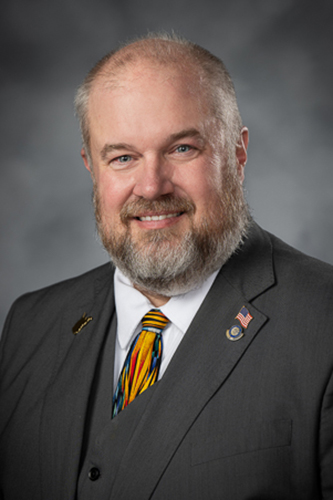
Sen. Jay Taylor
Sponsored bills
Maddy summarySB 612 amends West Virginia law to require the Public Service Commission's (PSC) rules and regulations to undergo the same legislative review process as other state agency rules. Currently, PSC rules are exempt from this review; the bill removes that exemption. This change directly affects the PSC, which regulates utilities like gas, water, and electricity, by subjecting its rulemaking to legislative oversight. The key mechanism is amending §24-1-7 of the code to eliminate the existing exemption for PSC rules from legislative review procedures.
Maddy summaryThis resolution designates March 5, 2025, as "West Virginia University Day" at the West Virginia Legislature. It recognizes West Virginia University as the state's first land-grant institution and highlights its academic programs, extension services, and youth initiatives like 4-H. The resolution directs the Senate Clerk to send a copy to the university president and Extension office. As a ceremonial resolution with no funding or policy changes, it serves only to honor the university's role in West Virginia.
Maddy summaryWest Virginia's SB 545 bans seven specific artificial food dyes (Red 3, Red 40, Yellow 5, Yellow 6, Blue 1, Blue 2, and Green 3) from all meals served in school nutrition programs starting August 1, 2025. The bill directly affects public schools by prohibiting these dyes as ingredients in school-provided meals. It allows schools to sell non-compliant food items during fundraising events held off-campus or at least 30 minutes after school ends. This change aims to remove dyes deemed potentially harmful, focusing on school meal safety without restricting other food sales.
Maddy summaryThis resolution officially designates February 28, 2025, as Dental Hygienists' Day in West Virginia. It recognizes dental hygienists for their contributions to oral health care, community service (including free care for vulnerable groups), and their role in promoting patient well-being. The Senate adopted this resolution on February 28, 2025, and directed the Clerk to send a copy to the West Virginia Dental Hygienists' Association. As a ceremonial resolution, it has no binding policy effects.
Maddy summaryWest Virginia's SB 633, the "Protecting Kids from Porn Act," requires commercial adult websites (those offering over 25% explicit content) to implement strict age verification before allowing access to minors. This includes mandatory biometric facial recognition, government ID, and credit card authentication for users, with re-verification every 24 hours. Websites failing to comply face $1 million per violation, permanent state blocking, and civil liability up to $10,000 per minor exposed. The law prohibits circumvention via VPNs or proxies and establishes an Attorney General enforcement unit to audit compliance. It directly affects adult content platforms operating in West Virginia, not general internet users.
Maddy summaryThis Senate Resolution (SR 13) memorializes Wanda Porterfield Casto, a 34-year part-time Senate Secretary/Administrative Assistant who served the West Virginia Senate and dedicated her life to public service. The resolution formally honors her legacy as a wife, mother, grandmother, and public servant, extending the Senate's deepest sympathies to her family following her passing on May 20, 2024. It directs the Senate Clerk to send a copy of the resolution to her family. As a commemorative resolution, it has no policy impact and serves solely to recognize her contributions.
Maddy summaryThis bill clarifies trespassing rules specifically for student housing and alcohol-serving facilities at West Virginia's state universities and colleges. It defines "residence halls" as student housing and "student facilities" as campus locations serving alcohol to students (excluding sports venues). The law makes it a misdemeanor to remain after being asked to leave by authorized personnel (like campus police or administrators), with fines starting at $15 for first offenses and up to $100 for repeat violations within a year. It directly affects students, visitors, and campus staff by specifying who may access these areas and the consequences for non-compliance. The bill does not change existing trespass laws but targets campus premises to streamline enforcement.
Maddy summaryThis Senate Resolution (SR 3) creates a Select Committee on Substance Use Disorder and Mental Health for the Eighty-Seventh Legislature. The committee, appointed by the Senate Presiding Officer (up to 17 members), will gather information on prevention, treatment, research, policies, access to care, and funding related to substance use disorders and mental health. It may meet during legislative interims and has jurisdiction over related legislative proposals, operating under Senate committee rules. This is a procedural resolution establishing a committee, not a law changing policy.
Maddy summarySenate Bill 583, titled the "West Virginia-Powered Data Center Incentive Act," provides property tax exemptions for new data centers meeting specific eligibility criteria and a tax credit for coal-fired electric utilities supplying them. Data centers must apply for these incentives and maintain compliance to continue receiving benefits. The bill aims to attract data center investments to West Virginia, which the state expects will create jobs and boost economic growth while supporting coal-powered electricity infrastructure. It establishes clear application processes, eligibility rules, and compliance requirements for both data centers and utilities.