

Maddy summarySB 939 creates a tax credit for West Virginia businesses that replace imported goods with locally manufactured products. Eligible businesses - those purchasing goods for resale or use in WV - can claim a nonrefundable credit equal to 10% of the verified value of imported goods they stop buying and replace with goods from qualified WV manufacturers. The credit requires verification by an independent CPA through an "reshoring activity verification report" to confirm the value of goods replaced and ongoing purchases. This program aims to reduce reliance on foreign imports (noted as $4.8 billion in 2024) by incentivizing local manufacturing, workforce growth, and economic activity within the state.
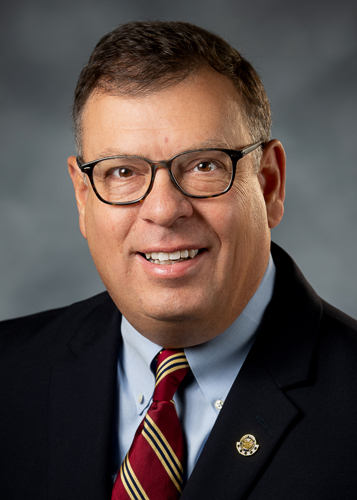
Sen. Mike Oliverio
Sponsored bills
Maddy summarySB 1080 requires West Virginia to redirect any reduction in state education funding from the previous fiscal year to support specific school districts. It targets the 10 lowest-enrollment county school districts with maximum local tax levies (excess levies), plus extremely remote schools within those districts. Funding is distributed proportionally based on kindergarten through fifth-grade student enrollment, with students counted twice in certain cases to ensure adequate support. This policy change ensures that state aid cuts directly benefit the most vulnerable school districts rather than reducing overall funding.
Maddy summarySB 893 creates a state tax credit equal to 10% of the federal carbon storage credit (under IRS Section 45Q) earned by businesses operating new biochar manufacturing facilities in West Virginia that began operations after July 1, 2025. It directly affects eligible businesses that qualify for the federal credit, allowing them to reduce their state corporation income tax by up to 50% of their tax liability for the year. The credit lasts up to 12 years and requires verification through IRS certification and documentation proving biochar production occurred in the state. Businesses must submit federal tax return copies and evidence of carbon sequestration meeting nationally recognized standards to claim the credit.
Maddy summarySB 619, the Stop the Bleed Act, requires West Virginia public schools to implement bleeding control programs starting in the 2026-2027 school year. It mandates schools to place bleeding control kits (containing tourniquets, bandages, gauze, gloves, and DHS/ACS instructional materials) in accessible locations, train staff every other year on wound control techniques, and integrate bleeding control education into high school curricula for grades 9-12. The bill also requires annual kit inspections, post-use restocking, and provides civil immunity for school personnel using kits unless gross negligence occurs. Funding may come from private donations or legislative appropriations. This law directly affects all West Virginia county school districts and their students and staff.
Maddy summarySB 1069 updates West Virginia's Unclaimed Property Act to include digital financial assets like cryptocurrency under the law. The bill defines "digital financial asset" (including virtual currency) as intangible property, requiring holders (such as banks and businesses) to follow the same procedures for unclaimed digital assets as they do for traditional property. It adds new sections to clarify administrative processes while preserving flexibility for the State Treasurer, who manages unclaimed property. This change ensures the law aligns with modern financial practices without altering core requirements for property holders.
Maddy summarySB 757 amends West Virginia's government construction contracting rules to give bidders a 10-day grace period after the bid closing date to submit valid bid bond documentation, correcting minor errors without disqualifying otherwise qualified bids. This change applies to all government construction projects over $50,000 requiring competitive bidding, directly affecting contractors who submit bids. Currently, bidders must provide bid bond documentation within 10 business days of contract award, but the bill shifts this deadline to 10 days after the bid closing date. The provision aims to prevent disqualification due to administrative errors in bond documentation, ensuring qualified bidders aren't unfairly excluded from contracts.
Maddy summarySB 1076 allows municipalities in West Virginia that currently have police officers and firefighters not enrolled in any state retirement system to choose to join the Municipal Police Officers and Firefighters Retirement System. Municipalities must elect to participate by December 1, 2026, after which all new hires for these roles automatically become members of the system. Existing officers and firefighters hired before January 1, 2027, must choose by March 31, 2027, whether to join the system, but cannot transfer existing retirement credits or participate in other employer retirement plans. This bill does not create new benefits but enables municipalities to opt into an existing retirement system for their public safety employees.
Maddy summarySenate Bill 1067 proposes creating an after-school care program at West Virginia elementary schools, operating from the end of the school day until 6:00 p.m. The program would be supervised by adults paid for directly by parents of enrolled children, not by state funds. It applies specifically to parents of elementary school students and requires the state superintendent to establish the program on school campuses. The bill does not change existing state funding or create new state obligations for the program.
Maddy summarySB 549 would increase the daily payment for jurors in West Virginia from a current range of $15 to $40 per day to a new range of $40 to $100 per day. This change applies to both trial jurors (petit jurors) and grand jurors serving on court cases. The bill replaces the previous minimum of $15 with a new minimum of $40 and raises the maximum from $40 to $100. The reimbursement remains determined by the court and paid from the state treasury, but ensures jurors receive at least $40 per day.
Maddy summarySB 1014 increases Medicaid dental reimbursement rates for providers in West Virginia to address rising costs, as noted in a 2024 state report showing current rates fail to cover service expenses. It expands dental coverage for adults 21+ to include diagnostic, preventative, and restorative services (excluding cosmetic procedures), with a $2,000 annual spending limit per beneficiary. The bill requires the state to implement a dental care system with quality oversight and submit annual cost reports to legislators starting in 2027. A 20% fee increase for dental services must be enacted by December 2028 to align with federal matching requirements.