

Maddy summaryHB 2698 would remove West Virginia's legal requirement for vehicles to undergo periodic safety and emissions inspections. This change directly affects all vehicle owners in the state, eliminating the need for annual inspections at designated stations and removing associated fees. The bill repeals all existing provisions (§17C-16-1 through §17C-16-9) that mandated inspections, required inspection certificates, or imposed penalties for non-compliance. If enacted, vehicles would no longer need to be inspected to remain legally registered or operated.
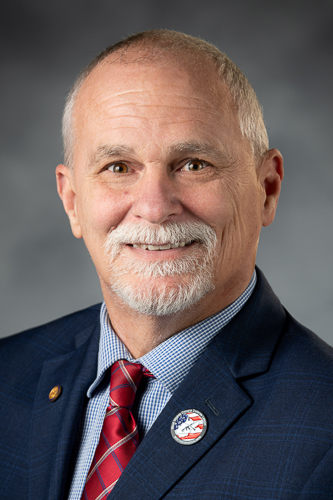
Del. Chuck Horst
Sponsored bills
Maddy summaryHB 2629 would remove the state sales tax on gun safes and specific firearm safety devices in West Virginia by amending the state tax code (§11-15-9) to explicitly exempt these items from the consumer sales tax. This change directly affects individuals purchasing these safety products, as they would no longer pay the 6% state sales tax on such items at retail. The bill adds these products to the existing list of tax-exempt items under the state’s sales tax code, which currently excludes items like textbooks, church purchases, and certain nonprofit services. The policy change would reduce tax revenue for the state on these specific firearm-related safety products.
Maddy summaryThis bill would exempt neighborhood hospitals, ambulatory health care facilities, and ambulatory surgical facilities from West Virginia's certificate of need (CON) approval process. It directly affects these specific healthcare providers by removing a state requirement that previously mandated prior approval for expansions, new services, or facility changes. The key mechanism is amending state law to define "neighborhood hospital" and explicitly exclude related activities from the CON review process. This change aims to streamline operations for smaller, outpatient-focused facilities without requiring state permission for certain capital projects or service expansions. The bill does not alter healthcare access or funding but reduces regulatory barriers for these specific types of facilities.
Maddy summaryHB 2717 would repeal all existing laws requiring mandatory vehicle inspections in West Virginia. It directly affects vehicle owners who currently must obtain state inspections to register or operate their vehicles. The bill eliminates the legal requirement for inspections by removing sections of the state code that established the inspection process, including penalties for non-compliance. This change would end the state's requirement for vehicles to undergo safety or emissions inspections. The bill does not create new provisions but removes the current inspection mandate entirely.
Maddy summaryHB 2670 would double West Virginia's homestead property tax exemption from $20,000 to $40,000. This change directly affects homeowners aged 65 or older, or those certified as permanently and totally disabled, who occupy their primary residence and meet residency requirements. The bill increases the dollar amount covered by the exemption, meaning eligible homeowners would pay property taxes on the value above $40,000 instead of $20,000. It maintains existing eligibility conditions, including two years of continuous West Virginia residency (with exceptions for returning residents and military personnel), without altering other provisions.
Maddy summaryHB 2650 would allow individuals aged 21 or older with a valid concealed handgun permit to carry a concealed firearm in public school property and buildings in West Virginia. The bill creates an exception to the existing ban on firearms in schools, specifically permitting licensed permit holders to carry concealed handguns while adhering to strict storage rules: firearms must be stored out of view when in a vehicle, or locked in a glove compartment, trunk, or secured container when the vehicle is unoccupied. This change directly affects licensed concealed carry permit holders who are not students and applies to public primary and secondary schools (not private schools with their own policies). The bill does not alter existing restrictions for students or other prohibited individuals.
Maddy summaryHB 2662 creates a new felony offense called "aggravated vehicular homicide" for reckless driving causing death when the driver shows "reckless disregard of human life," raising the penalty to 2-5 years in prison and up to $20,000 in fines. It also amends existing law to clarify that both the driver and an unborn child (embryo or fetus) are considered separate victims in vehicular homicide cases. This directly affects drivers convicted of causing death through extreme recklessness while operating a vehicle, and expands legal recognition of unborn victims in criminal prosecutions. The bill maintains the existing misdemeanor "negligent vehicular homicide" standard but distinguishes felony-level offenses with stricter criteria and harsher penalties.
Maddy summaryHB 2617 amends West Virginia law to require law enforcement to obtain a warrant before entering privately owned land that is posted with "No Trespassing" signs, except in emergencies. The bill directly affects landowners who post their property and law enforcement agencies by clarifying that warrantless entry is generally prohibited. Key provisions include updating §20-1-7 (which governs Natural Resources entry powers) to add these warrant requirements and clarifying that surveillance cameras on or near posted private lands must comply with these rules. The bill does not change existing emergency exceptions for law enforcement entry during immediate threats.
Maddy summaryHB 2079 prohibits public sewer districts serving at least 4,500 customers with $3 million+ annual revenue from requiring mandatory hook-up fees or installation charges for new or expanded sewer systems. The bill amends West Virginia law to eliminate these fees, directly affecting homeowners and property developers connecting to municipal sewer infrastructure. Key provisions require sewer districts to establish rates based on usage, fixtures, or customer count instead of connection charges, while maintaining public notice requirements for rate changes. This policy change removes a financial barrier for property owners connecting to existing or new sewer systems.
Maddy summaryHB 2423 prohibits individuals or entities from charging fees for assisting veterans with benefits claims, except as allowed under federal law. It specifically bans compensation for preparing, presenting, or advising on veterans' benefits claims, referring clients to such services, guaranteeing specific benefit amounts, or charging excessive fees (using federal fee guidelines). The bill requires written agreements outlining fees before services begin, aligning with federal regulations (38 C.F.R. §14.636). Violations would be treated as breaches of West Virginia’s Consumer Credit and Protection Act. This directly affects veterans’ service providers (e.g., attorneys, advocates) and veterans seeking assistance with VA claims.