

Maddy summaryHB 4881 removes a $9,500 value limit that previously prevented automobile dealers, licensed auctions, repair facilities, or towing companies from obtaining titles for abandoned or junked vehicles on their property. The bill allows these businesses to apply for title and registration for any abandoned vehicle - regardless of its value - after following standard notification procedures to the owner and lienholders. If the vehicle isn't claimed within 10 days (or after publication notice if the owner can't be found), the business may sell it. This change directly affects dealers and related businesses handling abandoned vehicles, streamlining title processing for all such vehicles.
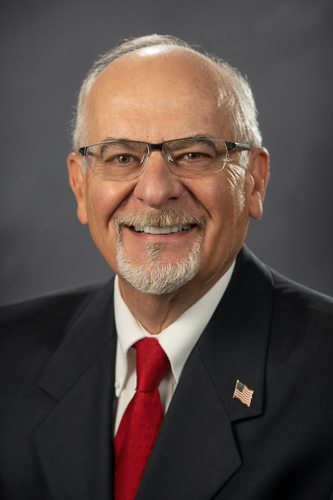
Rep. Phil Mallow
Sponsored bills
Maddy summaryHB 4995 requires public schools in West Virginia to install video cameras in self-contained special education classrooms (where most students receive special education services) and audio recording devices in restrooms of those classrooms. The bill mandates that cameras monitor all classroom areas except restrooms for clothing changes, while audio devices must be placed in restrooms with visible notices about the recording. Schools must maintain the equipment, document any malfunctions, and provide recordings to authorized personnel upon request. This law directly affects public school districts operating self-contained special education classrooms, aiming to enhance safety monitoring for students with disabilities.
Maddy summaryHB 4990 creates new criminal offenses related to gift card fraud in West Virginia. It makes it a crime to steal, tamper with, or fraudulently obtain gift cards or their redemption information (defined as unique access codes), and to use stolen gift cards for purchases. Specifically, using stolen gift cards for $1,000+ in value over six months escalates the offense to grand theft. The bill directly affects individuals committing gift card fraud, while protecting cardholders, issuers, and sellers. It provides clear definitions for terms like "closed-loop gift card" (e.g., store-specific) and "gift card redemption information" to clarify the scope of the law.
Maddy summaryHB 4996 requires courts to impose mandatory bail conditions for defendants charged with terroristic threats against schools or child-focused facilities (like preschools or daycares). It prohibits defendants from residing within 1,000 feet of the threatened facility or any similar educational location where children are regularly present. Additional conditions may include GPS monitoring to enforce exclusion zones, no contact with students/staff, or home incarceration outside the restricted area. Violations trigger immediate arrest, bail forfeiture, or custody remand, with courts using GIS or property records to measure proximity. The bill directly affects individuals facing charges under §61-6-24(b) related to school threats.
Maddy summaryHB 4012 reduces regulatory requirements for utility companies building or maintaining electric power generation and transmission facilities in West Virginia. The bill waives the need for a certificate of public convenience and necessity for projects approved by the Infrastructure and Jobs Development Council, streamlining approvals for these projects. It also shortens the Public Service Commission’s decision timeline, reducing the maximum processing time for large projects (over $50 million) from 400 days to 270 days. This directly affects utility companies seeking to develop or upgrade electric infrastructure within the state.
Maddy summaryHB 4656 modifies West Virginia's school attendance laws by ending the compulsory attendance requirement at age 18 (previously 17), meaning 18-year-olds no longer face penalties for chronic absenteeism. It replaces "truancy" with "chronic absenteeism," removes criminal penalties for 18-year-olds, and requires schools to notify them directly about unexcused absences - same as parents. The bill establishes new referral pathways to human services for wrap-around support, shifts handling of chronic absenteeism to juvenile welfare (not criminal) proceedings, and defines key terms like "student support specialist." It directly affects students aged 17-18, school staff, and county human services departments.
Maddy summaryThis bill asks a state committee to study whether West Virginia should create a flexible respite care program for seniors and their caregivers. The proposed program would allow families to schedule short-term, on-demand assistance for specific needs like medical appointments or personal obligations, rather than being limited to fixed weekly service blocks. The study will examine costs, potential savings from delaying nursing home placement, and how to fund and manage the program, especially in rural areas with fewer resources. If the committee finds the idea feasible, it will recommend new legislation to establish the program.
Maddy summaryHB 5351 modernizes how counties collect fees from emergency communication service users to cover enhanced 911 systems and address conversion costs. It allows county commissions to impose a single fee per physical address (residential, commercial, or business location) regardless of technology used, including VoIP services for in-state subscribers. The fee must cover system upgrades, city-style addressing conversions, and operational costs, but cannot be charged multiple times for different services at the same location. This update ensures fee collection aligns with modern communication technologies while maintaining transparency for users.
Maddy summaryHB 4977 allows West Virginia municipalities to recover costs for demolishing unsafe structures by imposing special tax assessments on the property owners. It applies to properties deemed unsafe, unsanitary, dangerous, or detrimental to public safety - such as those with structural damage, fire hazards, or abandonment - after a code enforcement agency determines they require demolition. Municipalities must formally adopt ordinances designating an enforcement agency (like building inspectors or health officials) to manage this process. The bill clarifies that these special taxes are separate from regular property taxes and apply only to properties ordered demolished for public safety reasons. It does not create new demolition requirements but streamlines cost recovery for existing code enforcement actions.
Maddy summaryHB 5413 creates a Central Abuse Registry managed by the West Virginia State Police to track individuals convicted of abuse, neglect, or misappropriation of property involving children, incapacitated adults, or adults receiving behavioral health services in specific settings like residential care facilities, day care centers, or home care. It requires registrants to provide personal details (name, DOB, SSN) and pay an annual $125 fee to the circuit clerk, with fees funding mental health services for State Police employees. The registry combines existing requirements, so those already registering as sex offenders only pay one $125 fee instead of separate fees. Failure to pay the fee does not violate supervised release, but unpaid fees may result in a recorded judgment lien.