

Maddy summaryHB 4677 would amend West Virginia law (§20-7-4) to require natural resources police officers to obtain either a landowner's consent or a warrant before entering private property for enforcement purposes. This change directly affects landowners and DNR officers, altering current authority to enter private lands. Key provisions include adding this requirement to the officer's duties while maintaining exceptions for emergencies involving imminent threats to public safety or accidents. The bill does not change officers' existing authority to enter state-owned lands or enforce laws on public waters.
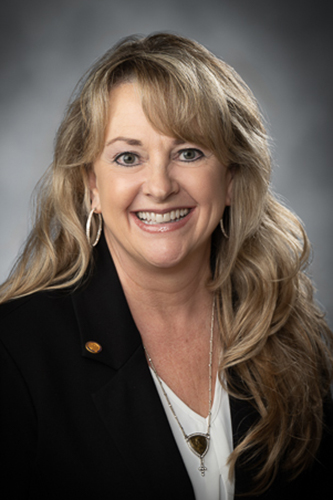
Del. Laura Kimble
Sponsored bills
Maddy summaryHB 4581 requires each county Bureau of Social Services office to hold monthly meetings to review child welfare operations and improve coordination. The bill mandates attendance by county supervisors, law enforcement, school officials, health providers, and other partners to discuss staffing, caseloads, service barriers, and child safety issues. Each meeting must produce a written report documenting attendees, key issues, and action items. This bill directly affects county child welfare offices and their local partners, aiming to enhance timely responses to child abuse and neglect through structured communication.
Maddy summaryHB 4614 requires West Virginia's Department of Human Services (DoHS) to develop and implement a statewide prevention plan by January 1, 2027. The plan must provide evidence-based, trauma-informed services to children under 18 and their families - including those in foster care, youth aging out of foster care, pregnant youth, post-adoption youth, and families with specific needs - through a mix of physical locations and telehealth. DoHS must track service outcomes, report annually starting December 2027 on county-level service reach and costs, and seek federal funding to support these services. The bill focuses on expanding accessible prevention support for vulnerable youth and families without creating new funding.
Maddy summaryHB 4598 requires the West Virginia Secretary of State to include "change audit data" in the existing $1,000 annual subscription service for voter registration data starting January 1, 2027. This data will show the reason for and date of each modification to voter records, such as address changes or registration status updates. The bill specifically amends existing law to mandate this addition to the subscription service, which currently provides basic voter list information. It directly affects subscribers who purchase the annual voter data subscription and the Secretary of State's office, which must implement the change.
Maddy summaryHouse Resolution 3 (HR 3), introduced by West Virginia delegates on January 20, 2026, requests Congress create a combined investigative task force to examine the origins and response to the COVID-19 pandemic. The resolution asks the task force to coordinate with existing investigations, investigate alleged issues like vaccine-related health impacts and business closures due to mandates, and recommend corrective actions. It specifically urges the task force to consider referring criminal charges where warranted and to address accountability for pandemic-related decisions. This procedural resolution does not create new laws but seeks a federal investigation into pandemic policies and their effects.
Maddy summaryHB 4620 establishes requirements for clothing and necessity allowances for children in foster care in West Virginia. It defines "adequate wardrobe" as appropriate, seasonally suitable clothing in good condition and sets a minimum $375 initial clothing allowance for new placements, plus up to $175 for supplementary needs like illness or damaged items. The bill requires placement providers (foster parents, kinship caregivers, or residential providers) to assess a child's existing wardrobe and necessities at intake, update an inventory periodically, and use a reloadable card as the primary payment method for approved items. It directly affects children in state custody and their caregivers by ensuring access to essential clothing and supplies during foster care. The law specifies that initial allowances cover immediate needs only, not full outfitting, and outlines three payment options for the Department of Human Services.
Maddy summaryHB 4597 increases West Virginia's homestead property tax exemption for eligible seniors and disabled homeowners. It phases in higher exemption amounts: starting at $20,000, rising to $30,000 by 2028, $35,000 by 2030, and fully eliminating property taxes on the first $40,000 of home value by 2032. The exemption applies to homeowners aged 65+ or certified permanently disabled who reside in West Virginia for two consecutive years (with limited exceptions for returning military veterans or short-term out-of-state residents). This change directly affects qualifying homeowners by reducing their annual property tax burden over time.
Maddy summaryHB 4596 prohibits local governments (like cities, counties, and law enforcement agencies) from adopting policies that restrict cooperation with federal immigration enforcement. The bill requires these entities to comply with federal immigration law enforcement or risk losing state funding - specifically, they have 90 days to fix violations after notice, and face funding denial for the next fiscal year if a court rules they intentionally violated the law. It directly affects local jurisdictions that might have previously limited information-sharing or collaboration with federal immigration authorities. The law aims to ensure local entities do not obstruct federal immigration enforcement efforts through policy.
Maddy summaryHB 4579 requires West Virginia child protective services (CPS) workers to use body-worn cameras during investigations of child abuse or neglect reports. CPS workers must first obtain consent to use cameras in private areas where people expect privacy, and they may skip using cameras if it would harm a child's privacy or impede the investigation - though they must document the reason in the case file. All audio and video recordings become confidential child welfare records, protected from public disclosure under state law, and must be kept until all legal appeals are complete. This bill directly affects CPS workers conducting in-person investigations across West Virginia.
Maddy summaryHB 4580 establishes a two-county pilot program requiring child protective service (CPS) workers in West Virginia to use mobile devices (like tablets) during child abuse and neglect investigations starting October 1, 2026. The bill mandates that these devices must have customized software allowing real-time digital record-keeping, automatic daily secure uploads to the department’s server, and compatibility with existing systems to track quality metrics. The pilot will last five years, with annual reports to the Legislative Oversight Commission detailing device usage and system performance. This directly affects CPS workers and the child welfare system in the participating counties, focusing on evaluating whether mobile technology improves investigation efficiency.