

Maddy summaryHB 2033 prohibits the West Virginia Department of Human Services from requiring foster or adoptive parents to affirm, accept, or support government policies on sexual orientation or gender identity that conflict with their sincerely held religious or moral beliefs. The bill directly affects prospective and current foster/adoptive parents by preventing the department from denying eligibility or authorizations based on such beliefs. Key provisions include banning per se restrictions on placements due to religious views and requiring that religious beliefs not automatically be deemed contrary to a child's best interests. The bill does not prevent the department from considering a child's or family's religious beliefs when making placement decisions, as required by existing law.
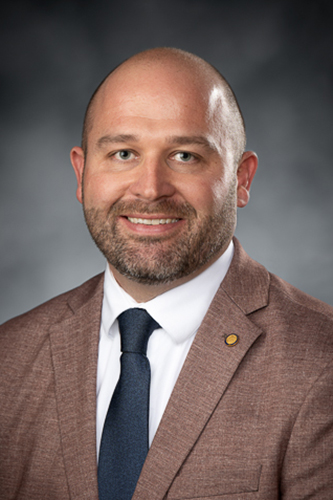
Del. Adam Burkhammer
Sponsored bills
Maddy summaryThis bill removes the existing exception that allowed abortions for victims of rape or incest in West Virginia. Previously, adults could obtain abortions within 8 weeks of pregnancy (and minors within 14 weeks) if they reported the assault to police and met specific documentation requirements. The bill deletes this exception from §16-2R-3, meaning rape and incest cases can no longer qualify for abortion under this provision. Now, all abortions must meet the stricter "medical emergency" standard (which excludes psychological conditions), effectively eliminating a legal pathway for victims seeking abortion care.
Maddy summaryThis bill amends West Virginia law to ensure all eligible part-volunteer fire departments receive an equal share of funds from the 1% fire and casualty insurance premium tax. Currently, 25% of this tax revenue is allocated to a Fire Protection Fund for volunteer and part-volunteer departments, but the bill mandates that these funds be distributed equally among all qualifying departments meeting eligibility criteria under §8-15-8A. The State Fire Marshal must report eligible departments quarterly to the State Treasurer, who then distributes funds accordingly. This change directly affects part-volunteer fire departments statewide that currently receive funding through this tax allocation.
Maddy summaryHB 2350 directs West Virginia's Department of Human Services to seek a federal waiver from the U.S. Department of Agriculture to exclude candy and soft drinks from SNAP-eligible food items. If approved, the waiver would prohibit SNAP recipients in West Virginia from using benefits to purchase these items. The state must annually request the waiver until approval is granted, even if initially denied. This bill aims to improve nutrition by restricting SNAP benefits for less nutritious foods under federal program rules.
Maddy summaryHB 2556 extends qualified immunity to employees of private child welfare agencies or providers in West Virginia who perform official duties under state contracts. It protects these employees from personal liability for professional decisions made in the course of their work, but does not shield them from liability for gross negligence, willful misconduct, or intentional harm. The bill directly affects private agency staff who deliver child welfare services under state contracts, altering their legal exposure. This change modifies existing law to clarify that such employees cannot be sued personally for routine professional actions, while maintaining accountability for serious misconduct.
Maddy summaryHB 2044 amends West Virginia's Public Employees Insurance Act (PEIA) to allow employers that withdraw from the program to rejoin within a five-year window. Specifically, employers withdrawing from PEIA after July 1, 2025, will be eligible to re-enroll in the public employee health insurance program within five years of their withdrawal date. This change modifies §5-16-29 to add a grace period for employers who choose to leave PEIA, rather than affecting individual employees. The bill directly impacts public-sector employers, such as county school boards or government entities, that currently participate in or may leave the PEIA program.
Maddy summaryHB 2045 prohibits health insurance companies in West Virginia from denying coverage, increasing premiums, or canceling policies solely because someone is a living organ donor. It directly affects individuals who donate organs (like kidneys or parts of the liver) while maintaining health insurance, ensuring they cannot be penalized for their donation. The law bans insurers from refusing coverage, forcing donors to stop donating to keep coverage, or charging more based only on donation status. This applies to sickness, disability, and long-term care insurance policies issued or renewed after July 1, 2025. The bill aims to prevent discrimination against organ donors in their health insurance.
Maddy summaryHB 2036 prohibits West Virginia municipalities from imposing local business and occupation (B&O) taxes on construction or development projects funded by state or federal government programs. This bill directly affects municipalities that collect B&O taxes and businesses or organizations receiving state/federal funding for projects like infrastructure, housing, or public services. The key provision amends tax code to explicitly exempt such projects from municipal B&O taxation, aligning with existing state-level exemptions. It would prevent double taxation on publicly funded initiatives by ensuring municipalities cannot levy local business taxes on these projects. The bill is currently in the House Finance Committee for review.
Maddy summaryThis bill (HB 2485) amends West Virginia's certificate of need law to clarify existing exemptions, but it **does not create a new exemption for hospitals relocating up to 10 miles**. The bill text provided lists 18 existing exemptions (e.g., for CT scanners in private offices, research equipment, skilled nursing facility acquisitions, and electronic health records), none of which include facility relocations. The title mentioned in your query does not align with the actual bill text, which focuses on refining current exemption criteria rather than enabling hospital moves. No specific hospital or location is affected by this bill as described.
Maddy summaryHB 2353 creates a public awareness campaign by West Virginia's Department of Public Health to educate residents about mold risks in indoor spaces and proper remediation. The campaign will provide online resources on mold health effects, testing methods, and certified remediation services, with the department required to update these resources every five years based on new scientific evidence. It also establishes rules requiring mold remediation companies to register with the state, prove financial responsibility, and ensure at least one supervisor holds third-party certification. All mold removal work in West Virginia must follow the ANSI/IICRC S520 industry standard for remediation, as specified in the bill. The bill directly affects the public seeking mold information and businesses providing remediation services.