

Maddy summaryHB 3256 would require county boards of education in West Virginia to provide full-time employees with three months of paid leave following the birth of a child, adoption, or foster care placement of a child. This leave would be in addition to any existing paid leave benefits the employee already receives. The bill amends existing law to explicitly guarantee this supplemental leave for all full-time school employees, regardless of gender. It does not replace other leave policies but adds this specific benefit for family-related events.
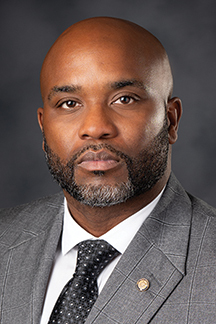
Del. Hollis Lewis
Sponsored bills
Maddy summaryHB 3235 requires health insurance plans in West Virginia to cover specific breast cancer screenings. It mandates annual mammograms for women aged 40 and older, baseline mammograms for women aged 30-39, and additional screenings (like ultrasounds) for those with dense breast tissue or risk factors like family history. Mammography facilities must also provide patients with breast density information and educational materials about associated risks and screening options. These requirements apply to all insurance policies delivered, issued, or renewed after January 1, 2025.
Maddy summaryHB 3226 updates West Virginia's laws governing living anatomical gifts (donating body parts before death for transplantation or therapy). It clarifies who can make such gifts (adults 18+), establishes requirements for valid consent, and defines key terms like "living anatomical gift" and "document of gift" (including markings on driver's licenses or donor registries). The bill specifies that authorized agents (e.g., those named in medical power of attorney) or designated "authorized persons" can make gifts on behalf of donors, with strict consent procedures. It also defines terms like "donor registry" and "disinterested witness" to ensure clear documentation and prevent conflicts of interest in the donation process.
Maddy summaryHB 3258 requires West Virginia correctional facilities to assist both juvenile and adult offenders in obtaining essential identification documents - including Social Security numbers, birth certificates, and driver's licenses - from their first day in custody. The bill amends §15A-3-4 of the state code to mandate this support as part of reintegration efforts. It directly affects all inmates entering state correctional facilities by requiring facilities to proactively help secure these documents before release. The key provision is a system-wide mandate for facilities to provide this assistance, rather than relying on individuals to navigate the process independently.
Maddy summaryHB 3224, the State Living Donor Protection Act, prohibits insurers in West Virginia from denying or limiting coverage on life insurance, major medical, disability, or long-term care policies solely because a person is a living organ donor. The bill specifically bans insurers from refusing coverage, making organ donation a condition for maintaining coverage, or discriminating in pricing or terms based on donor status alone. It amends West Virginia Code §33-13-25 to add these protections, requiring insurers to treat living donors the same as other policyholders without additional risk-based premiums. This bill directly affects individuals considering or who have already donated organs, ensuring they cannot face insurance discrimination for that decision. The bill was introduced in the House on March 7, 2025, and referred to the Finance Committee.
Maddy summaryHB 3255 would authorize West Virginia counties to establish public daycares through a voter-approved process. Counties needing to fund daycares would require a petition signed by at least 10% of registered voters to trigger a countywide referendum on creating and funding the facility. If approved, counties could fund daycares through local taxes, fees, or levies, or choose to operate without new funding. The bill also allows adjacent counties to jointly create shared daycare services. This legislation directly affects county residents, particularly parents seeking affordable childcare, by providing a structured process for local governments to develop these services.
Maddy summaryHB 2653 updates the West Virginia Law Institute's structure and duties by amending state code sections. The Institute, located at West Virginia University College of Law, is tasked with simplifying state laws, improving justice administration, and conducting legal research. It must make specific recommendations to the Legislature on law changes, examine legal defects, and submit annual reports. The bill also details the governing council composition, including judges, state officials, bar leaders, and university representatives, to guide its work.
Maddy summaryThis bill raises West Virginia's minimum starting salary for public school teachers from $36,597 to $50,000, directly affecting all new teachers entering the state's public school system. It amends the state salary schedule (§18A-4-2) to set $50,000 as the base rate for teachers with zero years of experience, replacing the current minimum. The change applies to all public school districts beginning with the 2025-2026 school year, as specified in the bill's effective date.
Maddy summaryHB 3257, the "Police Partnering With Communities Act," establishes a fund within the West Virginia State Treasurer's office to reimburse police officers for full housing costs if they live in designated distressed areas. Distressed areas are defined as low-income West Virginia neighborhoods with poverty rates of at least 20% or median family income below 80% of the area median, particularly those with higher crime rates. Officers must provide proof of residence in a distressed area and employment with a local police department to qualify for reimbursement. The fund, to be funded through a separate appropriations bill, becomes effective July 1, 2025. This policy directly affects police officers in participating municipalities who choose to reside in targeted communities.
Maddy summaryHB 3225 creates a statewide initiative to attract minorities, males, and individuals from rural, isolated, or impoverished areas to become public school teachers in West Virginia. It requires the State Board of Education and county school boards to develop recruitment materials and promote teacher preparation programs for these underrepresented groups, including information about a new scholarship fund. The scholarship, funded through existing education budgets, provides financial support to qualifying students in exchange for a commitment to teach in West Virginia public schools for at least three years after graduation. This bill directly affects potential educators in targeted demographic groups and aims to address teacher shortages by increasing diversity and accessibility in the education workforce.