

Maddy summaryHB 3228 requires manufacturers of new manufactured homes sold in West Virginia to honor their express warranties by repairing or replacing defective homes at no cost to consumers. It directly affects manufacturers (including importers) and consumers who purchase homes for personal use, ensuring manufacturers bear all costs for repairs or replacements if defects impair use or value after reasonable repair attempts. The bill explicitly prohibits manufacturers from shifting these costs to dealers through contracts, and mandates dealers to disclose major repairs (exceeding 5% of retail price) to consumers. These provisions clarify and strengthen existing warranty enforcement without creating new remedies.
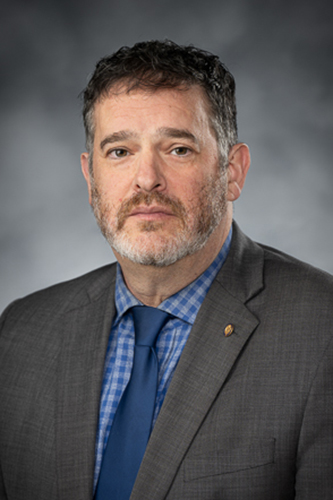
Del. Mike Pushkin
Sponsored bills
Maddy summaryHB 3225 creates a statewide initiative to attract minorities, males, and individuals from rural, isolated, or impoverished areas to become public school teachers in West Virginia. It requires the State Board of Education and county school boards to develop recruitment materials and promote teacher preparation programs for these underrepresented groups, including information about a new scholarship fund. The scholarship, funded through existing education budgets, provides financial support to qualifying students in exchange for a commitment to teach in West Virginia public schools for at least three years after graduation. This bill directly affects potential educators in targeted demographic groups and aims to address teacher shortages by increasing diversity and accessibility in the education workforce.
Maddy summaryHB 3119 would increase payments to therapists and other professionals contracted by the West Virginia Birth-to-Three program by 25 percent, effective July 1, 2025. This applies only to non-state-employed providers (those working through private or contracted agencies, not state employees). The bill amends the West Virginia Birth-to-Three Fund's payment structure to require this higher rate for services provided to children with developmental delays. It does not affect state-employed therapists or change eligibility for the program.
Maddy summaryHB 3112, titled "Community Air Monitoring," requires the West Virginia Department of Environmental Protection (DEP) to support air quality monitoring in communities downwind of industrial pollution sources. The bill mandates that the DEP provide technical assistance and, if funding is available, financial support to residents and organizations setting up local air quality monitors. Individuals can submit their collected air quality data to the DEP for evaluation, using specific quality standards like proper equipment calibration and location documentation. The DEP must review this data and may initiate follow-up monitoring by state agencies or permitted facilities if concerns arise. This directly affects West Virginians living near industrial sites by giving them tools to track pollution in their neighborhoods.
Maddy summaryHB 3120 requires that the full text of proposed constitutional amendments be printed on official ballots in West Virginia elections, alongside the existing title and summary. This means voters will see the complete wording of any amendment they are asked to approve or reject - including any formatting like struck-through or underlined text - rather than just a brief description. The bill amends state law to mandate that county election officials include the full text as it appears in the legislative resolution proposing the amendment. This change aims to provide voters with clearer, more complete information when deciding on constitutional changes.
Maddy summaryHB 2967 prohibits insurers from using credit scores or the number of credit inquiries in credit reports to deny insurance applications or set rates for auto and homeowners insurance. It also bans reliance on disputed credit information during underwriting. The bill directly affects applicants seeking these insurance types and requires insurers to base pricing decisions on factors other than credit history. This law applies to all insurers offering auto and homeowners coverage in West Virginia.
Maddy summaryHJR 33 is a constitutional amendment proposal that would require West Virginia to provide free early childhood education to all children in the state. It seeks to amend Article XII of the West Virginia Constitution by adding a new section stating the legislature must provide "a thorough and efficient system of free schools including early childhood education." This would not immediately create new programs but would require future legislation to establish such a system, subject to voter approval in the 2026 general election. The amendment is currently pending referral to the House Education Committee.
Maddy summaryHB 2848 requires private and investor-owned utilities in West Virginia to send text messages to customers during service outages. The texts must state that service is interrupted, provide an estimated outage duration in 30-minute increments, and specify affected areas using city, county, and state boundaries. This applies to all non-publicly owned utilities and takes effect on July 1, 2025. The bill directly affects customers experiencing outages who currently may not receive timely outage notifications.
Maddy summaryHB 2983 would require West Virginia's state agency to provide free identification documents to homeless U.S. citizens living at participating shelters. Eligible individuals must reside at a shelter, use the shelter address on applications, and provide a shelter employee's affidavit confirming residency. The bill specifies three documents: photo ID cards, driver's license replacements, or birth certificate replacements, with a limit of one document per person every 30 days. Citizenship must be verified using approved documents like birth certificates or passports. This policy aims to remove financial barriers to obtaining ID, which is needed for employment and public benefits.
Maddy summaryHB 2908 restricts the West Virginia Water Development Authority’s power to fund infrastructure projects, limiting it to in-state projects only and removing its previous authority to fund projects recommended by the Secretaries of Commerce, Economic Development, or Tourism. It creates a new "West Virginia Economic Enhancement Grant Fund" with two subaccounts: one for matching federal grants (requiring recommendations from state economic councils) and another for specific project costs like bid overruns, service expansions for economic development, or utility mergers. The bill directs funding toward water, stormwater, and wastewater projects that support economic development or tourism, as recommended by designated state officials. This affects local governments and non-profits seeking state funding for eligible infrastructure projects within West Virginia.