

Maddy summaryHR 9 is a ceremonial resolution honoring the late West Virginia House Delegate Douglas John Skaff Jr. It expresses the House of Delegates' condolences to his family and commemorates his service, including his roles as a delegate representing multiple districts and as Minority Leader. The resolution has no policy impact - it is purely symbolic, acknowledging his career in public service, business, and community leadership. It was unanimously adopted by the House on February 5, 2026, the same day it was introduced.
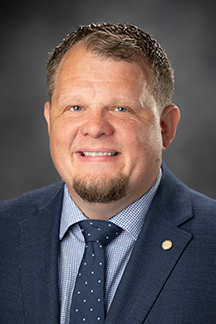
Rep. Ryan Browning
Sponsored bills
Maddy summaryThis is a symbolic House Resolution (not a bill), introduced by multiple West Virginia delegates. It designates the month of June as "Fidelity Month" to promote the values of faith, family, and patriotism across the state. The resolution cites declining support for these values in polling and research, and calls for the state to "rededicate" itself to them during June. It has no binding policy requirements or direct impact on specific groups; it is purely a commemorative gesture.
Maddy summaryThis West Virginia House resolution states that the U.S. national debt (over $38 trillion in 2026) poses a national security threat, citing foreign debt ownership, projected Social Security/Medicare shortfalls, and warnings from military/intelligence leaders. It urges Congress to establish regular budgeting procedures but does not create new laws or alter federal spending. As a symbolic resolution, it has no direct legal effect on national debt policy or federal budgets. The resolution focuses on raising awareness rather than implementing concrete changes.
Maddy summaryHB 5023 allows West Virginia residents to vote in municipal elections for cities where they don't live, provided they live in the county containing the city and paid work-related fees (like user fees or service charges) to that city within the past year. It prohibits non-residents from voting for ward or district representatives unless they reside in that specific area, requires contacting the county clerk before registration closes, and limits voters to one vote per municipality. The bill clarifies that non-resident voting must follow the "one person, one vote" principle and prevents municipalities from blocking this process through local rules. This applies only to municipal elections, not state or federal contests.
Maddy summaryHB 5007 would create a state income tax exemption for West Virginia residents who pay for gym memberships at gyms located within the state. The bill allows taxpayers to reduce their taxable income by $60 per month, capped at $720 annually for gym membership costs. It directly affects individual taxpayers who maintain gym memberships at in-state facilities and would lower their state income tax liability. The policy change is limited to qualifying gym memberships purchased within West Virginia, with no additional eligibility requirements specified.
Maddy summaryHB 5003 clarifies the process for emergency involuntary hospitalization in West Virginia, allowing authorized hospital physicians to temporarily hold individuals at risk of harming themselves or others if they are addicted or mentally ill. The bill requires physicians to file a formal petition within 72 hours to extend hospitalization beyond that period, with courts then scheduling a hearing. It specifies that individuals must be released within 72 hours unless a petition is filed, and outlines payment rules for hospitals treating uninsured patients through the Legislative Claims Commission. The law also protects medical staff from liability when acting in good faith under these procedures.
Maddy summaryHB 4810 requires dental insurance companies in West Virginia to publicly report how they spend premiums collected from enrollees, similar to federal health insurance rules. It mandates annual reports detailing patient care spending versus administrative costs, prohibits insurers from restricting payment methods to dentists, and requires rebates to customers if less than 80% of premiums are spent on dental care. The bill directly affects dental insurers, licensed dentists, and patients enrolled in private dental plans (excluding Medicaid). Key provisions include transparency requirements for premium expenditures, rules against unfair payment restrictions, and automatic premium reductions when patient care spending falls below the 80% threshold.
Maddy summaryHB 4870 extends campaign finance report deadlines for West Virginia legislators during legislative sessions. It requires that reports due while the Legislature is in session (regular, extraordinary, or special) be filed seven days after the session ends, instead of the original statutory date. This applies only to legislators and ensures no late fees or penalties are applied for reports filed under this extension. The bill aims to align reporting requirements with legislators' session duties without reducing transparency.
Maddy summaryHB 4411 clarifies trespassing rules at West Virginia's state institutions of higher education (universities, colleges, and community colleges). It defines "residence hall" as student housing and "student facility" as venues selling alcohol to students, specifying who may enter (students, guests, parents, employees, or authorized vendors). The bill states that anyone not authorized to enter these areas can be asked to leave immediately, without needing to cause disruption. Violating this - by remaining after being asked to leave - incurs a misdemeanor fine of $15 for a first offense, rising to $100 for repeat offenses within a year.
Maddy summaryThis bill allows West Virginia airport authorities to use federally approved project delivery methods - such as design-build or construction manager-at-risk - for airport capital improvement projects funded by the Federal Aviation Administration (FAA). It specifically authorizes these methods when they meet FAA safety and design standards, streamlining procurement for projects like terminal upgrades or runway construction. The bill affects airport authorities managing FAA-funded projects, ensuring compliance with federal requirements satisfies state procurement rules. It does not change funding levels but adjusts how projects can be delivered.