

Maddy summaryHB 4942 requires a second adult to be present on West Virginia county school buses when elementary students (pre-kindergarten through 4th grade) are riding with middle or high school students (5th grade and above). This applies specifically to bus routes where younger children are mixed with older students. The bill mandates this additional adult to maintain order and safety during transportation. It directly affects county school bus systems operating routes with mixed-age groups in the specified grade ranges. The requirement is triggered only when elementary-aged children are present alongside middle/high school-aged students on the same bus route.
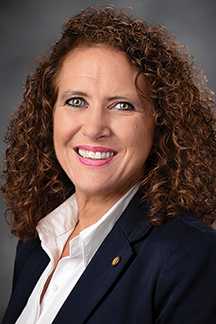
Del. Kathie Hess Crouse
Sponsored bills
Maddy summaryHB 4952 establishes two new financing programs within the West Virginia Economic Development Authority to support public charter schools. The Charter School Direct Loan Program provides loans for charter school facility acquisition or improvements, while the Charter School Credit Enhancement Program helps schools secure bonds by reducing financing risks. Both programs create dedicated state treasury funds (the Direct Loan Fund and Credit Enhancement Fund) managed by the Authority, with all funding sourced from charter school repayments - not state general funds. The bill explicitly states these programs do not create state debt, moral obligations, or liabilities for counties or school districts. This directly affects qualifying public charter schools seeking financing for facilities or equipment.
Maddy summaryHB 4939 would provide West Virginia classroom teachers with a $10,000 annual salary increase for holding National Board Certification (NBC) through the National Board for Professional Teaching Standards, for up to 10 years. The increase would be paid in addition to the state’s minimum salary schedule in equal monthly installments. Teachers would also receive reimbursement of up to $600 for initial certification fees and for renewal certification fees.
Maddy summaryHB 4940 ensures West Virginia teachers can use modern online fundraising platforms (like GoFundMe) to collect money for school-related activities without county board or school administrator interference. The bill amends state law to explicitly state that no county official may prevent teachers from using "crowd-sourcing or other meaningful current methods of fundraising." Schools must still publicly announce the fundraising purpose and designate the funds before starting, but the bill removes barriers to these methods. This directly affects K-12 teachers seeking to raise money for classroom supplies, field trips, or recognition programs through contemporary channels. The law does not change how funds are spent - only how teachers may legally collect them.
Maddy summaryHB 4937 requires West Virginia public school county boards to schedule one mandatory monthly half-day for staff planning time each school year. This provision applies directly to school staff (teachers, administrators) and is implemented using the existing "equivalent time" allowance under current law, which allows counties to add up to five days of instructional time by extending daily schedules. The bill mandates that at least one of these designated days must be used specifically for staff development activities like curriculum planning or professional meetings, without students present. This policy change ensures consistent time for educators to improve instruction, aligning with existing requirements for meeting the 180-day instructional calendar.
Maddy summaryHB 4975 consolidates West Virginia's 55 county-based school districts into 11 regional districts, effective July 1, 2030. The bill directly affects all 55 counties by merging their school governance structures into the specified regional groupings (e.g., Region 1 combines McDowell, Mercer, and Monroe counties). Key provisions define the exact county compositions for each of the 11 regional districts, eliminating separate county boards of education. This change streamlines administrative oversight while maintaining local school operations under the new regional framework.
Maddy summaryHB 4878 strengthens West Virginia's castle doctrine by allowing lawful occupants to use reasonable force, including deadly force, to defend their home, residence, or immediate property (curtilage) without a duty to retreat. It creates a full legal defense against both civil lawsuits and criminal charges for those using force to prevent unlawful entry, felony entry, or threats of serious harm. The bill also requires courts to cover legal costs, fees, and expenses for people successfully defending against such claims. This applies to residents protecting themselves, others, or property, but excludes law enforcement actions and situations where the person provoked the conflict.
Maddy summaryHB 4469 requires county surveyors first elected or appointed after January 1, 2027, to be West Virginia residents, defined as someone who lives in the state and has intent to stay (e.g., holds a driver's license, pays state taxes, or registers vehicles there). It does not affect current county surveyors but applies to future appointments. The bill also creates a process for county surveyors to request exemptions from the Ethics Commission if they wish to hold multiple public offices simultaneously. These exemptions require demonstrating the office is not widely available, requires personal prestige, and allows financial gain outside the role.
Maddy summaryHB 4715 removes the requirement for nurse practitioners and physician assistants in West Virginia to practice under direct physician supervision. The bill repeals sections §30-3E-10a and §30-3E-11 of the state code, which previously mandated supervision, and amends related provisions to allow these providers to practice independently. This change directly affects licensed nurse practitioners and physician assistants who will no longer need a collaborating physician's oversight for their scope of practice. The bill focuses on updating regulatory language to eliminate supervision barriers, without altering prescribing rules or other practice parameters.
Maddy summaryHB 4818 allows public charter schools in West Virginia to lease or purchase unused or underutilized public school buildings owned by county districts. It requires county superintendents to annually report all such properties - including those with enrollment below 70% capacity - to the state education department, which will maintain a public list. Charter schools may request these properties at market rate, with counties obligated to offer them before considering other uses. The bill also gives school boards a right of first refusal if a charter school later seeks to buy a property they leased.