

Maddy summaryHB 2367 creates a web-based communication system for West Virginia's foster care system, requiring the Department of Health and Human Resources to implement it by July 1, 2026. The system will let foster and kinship parents access records, communicate with caseworkers, view visitation schedules, and receive health information - while ensuring only authorized parties can use it. It also establishes a "Foster and Kinship Parent Bill of Rights" listing specific rights, including the right to receive training, maintain family values (without harming the child), and be notified of child-related risks before placement. The bill directly affects foster parents, kinship caregivers, and child welfare staff by improving transparency and decision-making in foster care.
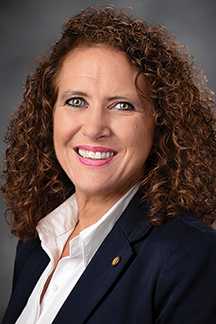
Del. Kathie Hess Crouse
Sponsored bills
Maddy summaryThis bill (HB 2371) amends West Virginia Code §8-15-8b to increase the annual allowance for volunteer and part-volunteer fire departments from $500 to $5,000 specifically for educational/training supplies and fire prevention promotional materials. It directly affects all eligible fire companies and departments receiving state funds through the Municipal Pensions and Protection Fund or Fire Protection Fund. The key change raises the spending cap for these specific items while maintaining all other authorized expenditures under the existing section. This is a straightforward policy adjustment to provide greater funding flexibility for fire department training and public safety outreach.
Maddy summaryHB 2366 would create a mandatory registry for individuals convicted of specific domestic violence offenses in West Virginia, requiring them to register with local State Police. It applies to those convicted of offenses like domestic battery (§61-2-28), domestic assault, or strangulation against an intimate partner (defined as a spouse, co-parent, or current/former romantic partner). Registrants must provide full names, addresses, and aliases in person at their county’s State Police office. The bill states its purpose is to help law enforcement and the public access information for safety, not to impose additional punishment, and covers both past and future convictions.
Maddy summaryHB 2372, titled "Creating the Parents' Bill of Rights," would establish that parents and legal guardians in West Virginia have final authority over decisions about their minor children's health, medical care, education, and welfare. Key provisions include the right to choose medical treatments (including vaccines and mental health services), select educational options (such as home schooling or private schools), and serve as their child's sole advocate in court without needing an attorney. The bill prohibits government entities from questioning or altering parental decisions unless a court finds clear evidence of imminent harm to the child. It also allows parents to sue the government for violations and restricts public institutions from exposing minors to certain materials or nudity in public settings like schools.
Maddy summaryHB 2368 removes voting restrictions for people with felony convictions after they are released from prison in West Virginia. It automatically restores voting rights upon release through parole, probation, pardon, or completion of sentence, eliminating the need for additional steps like applying for restoration. This directly affects formerly incarcerated individuals who were previously barred from voting while on probation or parole. The bill amends West Virginia Code §3-3-2 to remove the disqualification language that previously prevented them from registering to vote during these post-sentence periods.
Maddy summaryHB 2088 prohibits individuals listed on West Virginia’s state sex offender database from attending any public school activities, events, or athletic functions, regardless of whether they have children enrolled. This applies to all such individuals, including parents or guardians, and directly affects those on the registry who would otherwise participate in school-related settings. The bill imposes penalties: a first violation is a misdemeanor punishable by up to six months in jail, while subsequent violations are felonies carrying 1-5 years in prison. It also requires parent-teacher conferences involving registered sex offenders to occur off school grounds, such as at a courthouse or police station. The law creates a clear policy change banning these individuals from school premises during school activities.
Maddy summaryHB 2127, titled the "West Virginia Women's Bill of Rights," defines "sex" in state law as biological sex (male or female) at birth, excluding gender identity, and requires replacing the word "gender" with "sex" in all state statutes. The bill permits state entities to maintain single-sex environments - such as sports teams, locker rooms, shelters, and domestic violence services - without violating anti-discrimination laws, citing biological differences as justification. It also mandates that state agencies collecting data on sex (for public health, crime, or other purposes) must classify individuals as male or female based on these definitions, ensuring consistency in data collection. The bill applies to all state laws, regulations, and public institutions that classify people by sex or collect sex-related data.
Maddy summaryHB 2118 allows off-duty and retired law enforcement officers (LEOs) meeting specific requirements to carry concealed handguns in locations where active-duty officers could carry, including the State Capitol Complex. It requires these officers to comply with their agency's firearms policies and present agency-issued credentials upon request. The bill modifies Capitol access rules to permit concealed carry on Capitol grounds and in the Capitol building (excluding the Governor's office, Supreme Court chambers, and designated gallery areas), while maintaining restrictions on pepper spray and other weapons. This directly affects off-duty LEOs, retired officers with LEOSA certification, and Capitol security protocols. The policy change clarifies exemptions for authorized officers without altering general concealed carry laws.
Maddy summaryHB 2051 would amend West Virginia law to permit licensed concealed handgun carriers to carry firearms on Capitol grounds and within the Capitol building. It allows individuals with valid concealed carry permits to carry concealed handguns in the Capitol complex, including the building itself, but requires them to show their permit upon request when entering. The bill prohibits concealed carry in the Governor’s office, Supreme Court chambers (third and fourth floors), and maintains existing restrictions on open carry and pepper spray exceeding one ounce. This change directly affects licensed concealed carry permit holders who access the Capitol complex, while preserving current rules for other areas.