

Maddy summaryHR 5 is a non-binding resolution designating October as "Military Toxic Exposure Awareness Month" in West Virginia. It recognizes the health impacts of toxic exposures on military personnel, veterans (including Agent Orange veterans), workers, and their families, particularly those linked to West Virginia military sites. The resolution encourages public awareness campaigns, educational initiatives, and community outreach to support affected individuals, directing copies to state agencies and congressional leaders. It does not create new laws or funding but aims to raise visibility for ongoing health and environmental concerns.
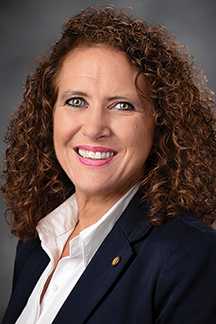
Del. Kathie Hess Crouse
Sponsored bills
Maddy summaryHB 2487 would eliminate West Virginia's twice-yearly clock changes by making Eastern Standard Time the permanent official time for all state government operations. Starting July 1, 2025, public schools, colleges, state agencies, and local governments would operate year-round on Eastern Standard Time instead of switching to daylight saving time. The bill amends state law to replace all references to daylight saving time with Eastern Standard Time after that effective date.
Maddy summaryHB 2112 amends West Virginia's excise tax code to adjust exemptions for real property transfers. The bill removes existing tax exemptions for certain gifts and quitclaim deeds while adding a new exemption for transfers between siblings. It directly affects property owners and recipients involved in real estate transactions, particularly those involving family members or specific gift scenarios. The changes aim to close perceived loopholes by tightening the definition of tax-exempt transfers under §11-22-1 of the state code.
Maddy summaryHB 2122 would exempt specific infant and hygiene products from West Virginia's sales tax. It defines "diapers" as disposable absorbent products for infants/toddlers or people with incontinence, "feminine hygiene products" as items like tampons and menstrual cups for biological women, and "infant products" as baby bottles, formula, and car seats. The bill removes sales tax liability for these items at the point of purchase. This directly affects consumers who buy these products, reducing their out-of-pocket costs. The policy change is limited to the defined products and does not alter other tax obligations.
Maddy summaryHB 2460 requires state permitting agencies, counties, and municipalities to treat private and parochial schools the same as public schools for all construction-related requirements. This includes building permits, fees, safety standards, wastewater management, septic systems, and the speed of permit approvals. The bill directly affects private and parochial schools (non-public, often religiously affiliated institutions) and the government entities that regulate construction processes. It mandates equal application of these rules to end current disparities where private schools faced stricter or different requirements than public schools.
Maddy summaryHB 2480 proposes merging West Virginia's 55 county school boards into 11 consolidated boards, with each new board covering five counties and having two members per county. The bill requires this consolidation to take effect on July 1, 2026, and directs the State Board of Education to establish rules for the transition. It cites declining enrollment, rising costs, and inequitable funding as reasons for the change, stating savings from reduced administration could be reinvested in teacher salaries, school programs, or tax relief. This directly affects all 55 counties by altering how local school governance operates.
Maddy summaryHB 2433 requires magistrates to order mental health evaluations for defendants charged with violating protective orders, personal safety orders, or making threats of terroristic acts before setting bail. The evaluation, conducted by a state-licensed provider, must occur within 10 days and result in a report to the magistrate within 48 hours. Magistrates must then hold a bond hearing within 5 days of receiving the report. This policy change aims to determine if mental health treatment is needed as a condition of bond for these specific cases.
Maddy summaryHB 2454 clarifies protections for small-scale urban farming operations in West Virginia. It defines "agricultural residential land" as residential property used for limited urban agriculture, including keeping up to six chickens or maintaining apiaries for personal use or selling non-hazardous food. The bill prevents lawsuits against these operations unless the complainant already occupied adjacent land before the farming began. It also preempts local ordinances that conflict with agricultural activities on such land, ensuring state law supersedes conflicting municipal rules. This directly affects homeowners in towns and cities who engage in small-scale food production on their residential property.
Maddy summaryHB 2404 creates a tax credit for West Virginia businesses that donate to local pregnancy or birth centers. Businesses can claim a credit equal to their donation amount (nonrefundable), provided they submit proof of the contribution to the Tax Commissioner. The credit directly affects businesses operating in West Virginia that choose to support these specific health centers. The bill requires no new state funding, as it offsets existing tax revenue based on private donations. This policy change aims to incentivize private financial support for facilities offering pregnancy-related services.
Maddy summaryHB 2459 expands eligibility for West Virginia secondary school athletic and extracurricular activities to home-schooled students, Hope Scholarship participants, and microschool learners. It requires the West Virginia Secondary School Activities Commission to create rules allowing these students to join public school activities if they meet academic standards (fourth stanine test results), are under 19 by August 1, participate as amateurs, and comply with commission rules. Private school students may also join public school activities if their private school doesn't offer the same activity. The bill mandates that all participants pay reasonable fees and adhere to the same requirements as public school students. This policy directly affects non-public school students seeking athletic and extracurricular participation.