

Maddy summaryHB 2841 (2025) establishes a population-based formula to set maximum salaries for all 55 West Virginia county school superintendents, effective July 1, 2026. The bill requires the West Virginia Department of Education to create a salary schedule where maximum pay for each superintendent is determined by their county's student population, ensuring equitable pay per pupil across all counties. Salaries must be prorated so that the maximum amount per student remains consistent regardless of county size, with the schedule updated at least every five years. This directly affects county school superintendents by replacing current salary-setting methods with a standardized, population-linked system.
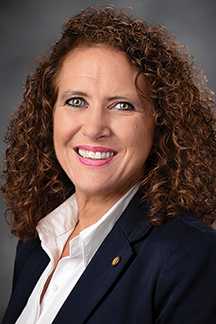
Del. Kathie Hess Crouse
Sponsored bills
Maddy summaryHB 2482 allows youth hunters (under 16) and hunters with a Class Q special hunting permit (for handicapped individuals) to take one antlered deer during the state's Special Youth Deer Season. This change applies the deer taken during this special season toward the hunter's regular firearms deer season bag limit. The bill specifically excludes holders of Class XS licenses from this privilege during the special season. It modifies existing hunting regulations to expand harvest opportunities for these specific groups during designated seasons.
Maddy summaryHCR 65 is a West Virginia legislative resolution urging the U.S. Congress and Department of Energy to fulfill federal obligations under the Nuclear Waste Policy Act of 1982 regarding spent nuclear fuel. It highlights that over 90,000 metric tons of spent fuel are stored at 76 sites nationwide, with taxpayers bearing $9 billion in costs and nuclear customers having prepaid $46 billion for disposal, yet no permanent repository exists. The resolution specifically requests Congress and the DOE to implement recommendations from the Blue-Ribbon Commission, streamline regulations, and establish a deep geologic repository. It directly affects nuclear utilities, taxpayers, and communities hosting nuclear sites that face long-term storage challenges. The resolution is procedural and non-binding, aiming to prompt federal action on a decades-old policy gap.
Maddy summaryHB 2734 requires all West Virginia public K-12 schools to display their annual school report cards on their official websites. It also mandates that county boards of education use the state's existing electronic system for collecting and reporting school data to the state education department. This ensures parents and community members can easily access school performance information online without needing to request it. The bill applies directly to every public school and county school board in the state, standardizing how school accountability data is shared publicly.
Maddy summaryHB 2741 prohibits the use of electronic devices like tablets, laptops, or computers for learning and testing in all classrooms serving students in grades three and below. The bill directly affects students in kindergarten through second grade and their teachers by banning such devices during instructional time. It creates a new section (§18-2E-3g) in West Virginia's education code requiring this ban in all classrooms for those grade levels. The law does not address devices used for administrative purposes or non-educational activities. This is a direct policy change restricting classroom technology use for young learners.
Maddy summaryHB 2779 would require all West Virginia public schools to install cameras in hallways, stairwells, classrooms, and any other rooms where students are present. The bill excludes bathroom stalls, showers, and locker rooms to protect student privacy during undressing. Schools would need to maintain all recorded footage for a full year. This bill directly affects all K-12 public schools in West Virginia and is currently pending in the House Education Committee.
Maddy summaryHB 2726 would require West Virginia's State Board of Education to stop administering all standardized tests in both public and private schools starting with the 2025-2026 school year. The bill directly affects all K-12 schools in the state by eliminating a long-standing testing requirement. Its key provision mandates the State Board to cease all standardized testing, removing this requirement from school operations. The change applies to every school year beginning in 2025-2026.
Maddy summaryHB 2751 authorizes Mason County to levy a special sales tax on tangible personal property and services sold within the Town of Henderson's Economic Opportunity Development District. This tax, which would fund local economic development efforts, applies specifically to businesses operating in Henderson and requires no additional approval from the state development office. The bill amends state law to allow Mason County Commission to establish this district and set tax rates without seeking prior state authorization. It directly affects businesses selling goods or services in Henderson and directs the tax revenue toward supporting the town's economic growth.
Maddy summaryHB 2778, titled "To remove the taxation on burials, funerals and cremation," creates a tax exemption for funeral, cremation, and burial services in West Virginia. The bill directly affects funeral homes, cremation providers, and burial services by removing existing sales and service taxes on these specific services. Key provisions exempt these services from taxes under West Virginia's consumer sales and service tax code, as defined in §30-6-1 et seq. This policy change eliminates a tax obligation for providers of these end-of-life services.