

Maddy summaryHB 4555 would remove the sales tax on tax preparation services in West Virginia. This bill directly affects individuals and small businesses that pay for tax preparation assistance, as it eliminates the state sales tax currently applied to these services. The key mechanism is amending West Virginia’s tax code (§11-15-9) to explicitly exempt tax preparation services from the consumer sales and service tax, aligning them with existing exemptions for services like nonprofit educational materials. The policy change simplifies the tax burden for those seeking tax help, without altering tax rates or creating new administrative requirements.
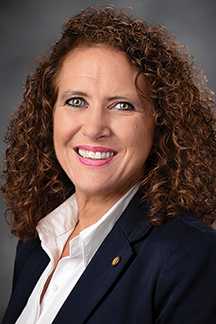
Del. Kathie Hess Crouse
Sponsored bills
Maddy summaryHB 4492 amends West Virginia's Real Estate License Act to increase the maximum amount of a broker's personal funds that can be deposited into a trust account from $100 to $500. This change directly affects licensed real estate brokers who handle client funds in trust accounts, allowing them to maintain a higher minimum balance without violating fiduciary rules. The bill modifies Section 30-40-18 of the West Virginia Code to update this specific limit, ensuring brokers can more easily meet account balance requirements. The provision aims to simplify compliance for brokers while maintaining safeguards for client funds held in trust.
Maddy summaryHB 4582 increases the annual commission paid to West Virginia county sheriffs for collecting property taxes. Starting July 1, 2026, sheriffs will earn a $30,000 commission after collecting 85% of all real and personal property taxes in their county, replacing the previous $15,000 amount. The commission is paid directly from the tax funds collected, becoming part of the sheriff's regular budgeted compensation. This bill directly affects county sheriffs who serve as treasurers in their jurisdictions. It modifies existing law to adjust compensation for their ongoing tax collection duties without creating new tax obligations.
Maddy summaryHB 4593 modifies West Virginia's public school physical education requirements by allowing students to opt out of mandatory PE classes if they can demonstrate five or more hours per week of outside physical activity through written evidence. The bill applies to middle and high school students, replacing required PE periods with supervised study hall for qualifying students. It maintains core PE time requirements (30+ minutes three days/week for elementary, full course credit for graduation in high school) but adds this exemption pathway. The policy directly affects students in West Virginia public schools who participate in organized sports or physical activities outside of school.
Maddy summaryHJR 22 proposes a constitutional amendment to give the West Virginia Legislature authority to reduce or eliminate ad valorem taxes on business inventory and other tangible personal property. The amendment would allow the Legislature to set different tax rates for various property types (like vehicles or business equipment), exempt specific items from taxation, or classify property as real or personal for tax purposes. It does not change current tax rates but creates a legal framework for future legislative action. The amendment requires voter approval in the 2026 general election and must comply with existing constitutional tax rate limits.
Maddy summaryHB 4595 would allow West Virginia to approve short-term job training programs for eligibility for federal Workforce Pell Grants. The bill requires the governor, working with the Workforce Development Board, to approve programs that prepare students for high-skill, high-wage, or in-demand jobs (defined as those with earnings above 150% of the federal poverty level or identified in workforce projections). It establishes state rules for program approval and ensures alignment with federal requirements. This change would directly affect short-term training programs and their students seeking federal grant support for career-focused education. The bill takes effect January 1, 2027.
Maddy summaryHB 4493, the West Virginia Real Estate Wholesaling Accountability Act, makes real estate wholesaling illegal in West Virginia. It defines "wholesaling" as entering property purchase contracts with intent to transfer contractual rights to a third party for a fee without taking legal title, specifically affecting residential transactions involving properties with fewer than four dwelling units. The bill prohibits wholesaling, allows sellers to cancel contracts without penalty and retain earnest money, requires buyers to receive full refunds, and imposes a civil penalty of 20% of the profit difference for unlawful transactions. This legislation directly impacts real estate wholesalers and their transactions, replacing current practices with specific legal remedies and penalties.
Maddy summaryHB 4063 requires West Virginia's State Board of Education to create and deploy an online portal called the "School Choice Portal" by August 2026. The portal will allow families using non-public school options (such as homeschooling) to electronically submit required notices and reports, including a Notice of Intent, with features like secure access, dashboards for families and school boards, and submission acknowledgments. It must work across all 55 counties, include input from stakeholders like homeschoolers and microschools, and clearly label optional information. The bill mandates the portal be operational for the 2026-2027 school year and requires the Board to report child listings to the relevant county.
Maddy summaryHB 4077 would eliminate standardized testing requirements in all West Virginia public and private schools by directing the State Board of Education to stop administering such tests. The bill takes effect for the 2026-2027 school year and all subsequent years. This change would directly impact every student, teacher, and school administrator in the state by removing a longstanding assessment requirement. The policy shift specifically targets the administration of standardized tests, without specifying alternative evaluation methods.
Maddy summaryHB 4450 requires West Virginia public schools to post adopted curriculum online (with login access for students and parents) by the start of each school year. It allows parents, custodians, or guardians of enrolled students to request inspections of classroom materials (including books and supplementary resources), with teachers required to schedule appointments within 10 business days and demonstrate how materials align with state standards. The bill also mandates that teachers list required books on class syllabi and makes them available to parents upon request. It establishes a formal complaint process for non-compliance, with county superintendents resolving issues within seven business days before escalating to the State Superintendent. This bill affects parents/custodians/guardians of students, not general taxpayers, as clarified by the bill's actual provisions.