

Maddy summaryHB 5227 modifies West Virginia's business reporting fees and adds a new logotype for veteran-owned businesses. It sets an annual report fee at $25 (or $50 biennially) for corporations, limited partnerships, and LLCs required to file reports with the Secretary of State. The bill also grants the Secretary authority to waive late fees for these filings. Additionally, it establishes a new official logotype (a special mark or symbol) that qualified veteran-owned businesses - defined as those at least 51% owned by veterans or their spouses - may use on their materials. This bill directly affects businesses required to file annual/biennial reports and veteran-owned entities seeking the new logotype.
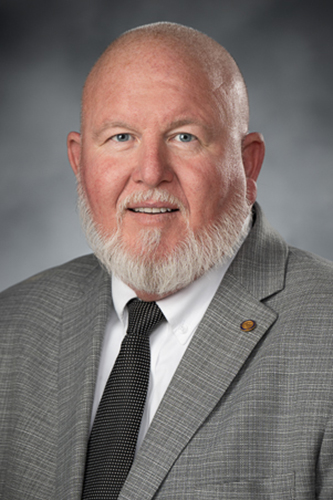
Del. Scot Heckert
Sponsored bills
Maddy summaryHB 5437, the Vape Safety Act, requires vape or smoke retailers (businesses selling vapor products, tobacco, or nicotine products) to obtain a license from West Virginia’s Alcohol Beverage Control Commissioner. The bill restricts vape shop locations (prohibiting them near schools, parks, or residences), mandates compliance with advertising standards, and creates a product directory listing only approved "authorized vapor products." It also establishes fees, civil/criminal penalties for violations (up to $10,000 fines or 1-year jail time), and sets operating standards for retailers and manufacturers. The law directly affects vape shop owners, manufacturers, and wholesalers by imposing new licensing, location, and product approval requirements.
Maddy summaryHB 4483 changes the renewal period for funeral director licenses in West Virginia from every two years to every five years. This directly affects licensed funeral directors, who will now renew their licenses less frequently. The bill also updates apprenticeship requirements, including limiting the duration of apprenticeships to one year for funeral service licensees and one year for funeral directors, and clarifies the board's rule-making authority. The primary policy change extends the license renewal cycle to five years while maintaining existing educational and experiential standards for licensure.
Maddy summaryHB 4577 creates a reciprocity agreement with the Republic of Ireland for driver licenses, allowing Irish license holders to drive in West Virginia without retaking tests if their license meets comparable standards. The bill requires that foreign license standards (specifically for Ireland) align with West Virginia's, and mandates that drivers operating under this agreement comply with the state's mandatory motor vehicle liability insurance and financial responsibility laws. This agreement applies only to Ireland and does not alter the standard driver's license examination process for new applicants in West Virginia.
Maddy summaryHB 4404 increases the annual funding allowance for volunteer and part-volunteer fire departments in West Virginia from $500 to $5,000 specifically for educational/training supplies and fire prevention promotional materials. This change directly affects local fire companies that rely on state funds for operational needs, allowing them to better support firefighter training and community safety outreach. The bill amends Section 8-15-8b of West Virginia Code to adjust this specific budget line item, maintaining all other authorized uses of funds unchanged. The proposed increase aims to provide greater flexibility for fire departments to invest in critical safety education resources. The bill was introduced on January 16, 2026, and referred to the House Finance Committee.
Maddy summaryHB 4712, known as "Baylea's Law," increases criminal penalties for drivers convicted of DUI that causes death or injury in West Virginia. It raises prison sentences to 3-30 years for DUI causing death (up from prior limits), 2-10 years for serious bodily injury, and up to 1 year for lesser bodily injury. The bill also mandates license revocation for 10 years (or permanently) for DUI causing death, 5 years for serious injury, and 2 years for minor injuries, with options to reinstate through a "test and lock program." This law directly affects drivers convicted of DUI-related offenses resulting in harm to others, including minors or fetuses as defined by the law.
Maddy summaryHB 4474 extends the expiration date of West Virginia's Alzheimer's Disease and Other Dementia Advisory Council, which was scheduled to sunset. The bill prevents the council from automatically dissolving by renewing its operational period. The council, composed of 15 voting members (including people with dementia, caregivers, healthcare providers, and researchers) and 5 nonvoting government representatives, examines dementia care needs, reviews state services, and assesses healthcare capacity. It does not create new policies but ensures the council can continue its work on dementia-related issues. This procedural bill affects only the council's continued operation, not direct service recipients.
Maddy summaryHB 4546 changes West Virginia's reporting requirements for limited liability companies (LLCs) and foreign LLCs from annual to biennial (every two years). It mandates that these businesses submit a report to the Secretary of State containing their name, addresses, agent for service, and an email for notices, due between January 1 and July 1 of every other calendar year. The bill applies directly to all LLCs operating in West Virginia, including foreign entities authorized to do business here, and takes effect July 1, 2026. This change does not alter existing fees or forgive prior annual filing failures.
Maddy summaryHB 4196 requires licensed medication-assisted treatment (MAT) programs in West Virginia to offer long-acting reversible contraception (LARC), such as IUDs or implants, to patients receiving methadone or suboxone for substance use treatment. This applies to all facilities providing these services under the state's licensing framework, adding it as a standard requirement to existing operational rules. The bill directly affects MAT facilities, which must now integrate LARC options into their care protocols, and patients using methadone or suboxone at these locations. It creates a concrete policy change by mandating access to these contraceptive methods without requiring additional patient steps.
Maddy summaryHB 4865 creates a program allowing high school juniors and seniors (with a 3.0 GPA or higher) to serve as election officials in West Virginia. To qualify, students must meet standard election official requirements (like being a registered voter and completing training), get written approval from their school principal and parent, and agree to one political party affiliation per precinct. The bill ensures these student officials are not marked absent from school on election days and limits appointments to one per political party per precinct. This change directly affects eligible high school students and county election officials who would appoint them.