

Maddy summaryHB 4621 requires West Virginia circuit courts to include specific written findings of fact and conclusions of law in all juvenile child abuse and neglect court orders. This bill directly affects judges and legal proceedings in cases involving child welfare, mandating that courts explicitly state the factual basis and legal reasoning for their decisions. The key provision amends existing statutes to ensure courts document key determinations - such as whether abuse/neglect occurred and why custody decisions were made - rather than issuing general orders. This change aims to increase transparency and accountability in family court rulings without altering the underlying legal standards or services provided.
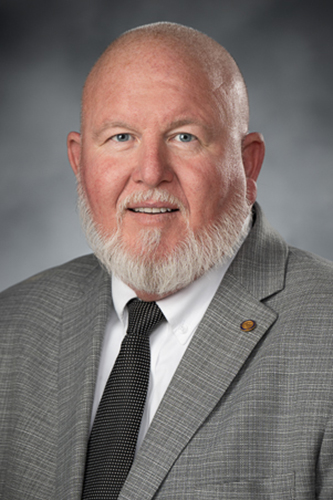
Del. Scot Heckert
Sponsored bills
Maddy summaryHB 4619 creates a special revenue account within West Virginia’s Department of Human Services to fund expanded in-state residential treatment capacity for children, directly targeting youth currently placed out-of-state (over 10% of children in care). It establishes a Commission composed of agency leaders and stakeholders to study current placement practices, in-state facility capacity, and strategies to reduce out-of-state placements - focusing on older youth in juvenile justice systems. The Commission must develop recommendations on improving collaboration between child-serving agencies, promoting community-based alternatives, and making in-state placement availability accessible via an online system. These recommendations will guide future funding decisions and policy changes to build a more integrated, cost-effective system for at-risk children and families.
Maddy summaryHB 4617 requires West Virginia's Bureau of Social Services to formally document its existing policies as official legislative rules. The bill mandates filing a complete policy manual covering child protective services, foster care, youth services, licensing, and casework standards by July 1, 2026. Subsequent updates to these policies must also follow the legislative rule process. This is a procedural requirement - changing how policies are documented, not the policies themselves - and directly affects the Bureau of Social Services' administrative processes.
Maddy summaryHB 4582 increases the annual commission paid to West Virginia county sheriffs for collecting property taxes. Starting July 1, 2026, sheriffs will earn a $30,000 commission after collecting 85% of all real and personal property taxes in their county, replacing the previous $15,000 amount. The commission is paid directly from the tax funds collected, becoming part of the sheriff's regular budgeted compensation. This bill directly affects county sheriffs who serve as treasurers in their jurisdictions. It modifies existing law to adjust compensation for their ongoing tax collection duties without creating new tax obligations.
Maddy summaryThis bill requires health insurers to accept prior authorization requests via fax or electronic portal (not just mail) and mandates clear submission instructions, a 5-business-day response deadline (2 days for urgent care), and quarterly updates to lists of required authorizations. It ensures insurers include step therapy details on forms and carry approved authorizations across insurers for three months within West Virginia. The law directly affects insurers, healthcare providers, and patients by streamlining the approval process and reducing delays. Key provisions include standardized electronic notifications, clear deficiency identification, and expedited appeals within 10 business days.
Maddy summaryHB 4502 authorizes West Virginia's Division of Motor Vehicles to issue a special license plate for autism awareness upon request. Vehicle owners who apply for this plate must pay a one-time $10 application fee and an annual $15 fee, in addition to standard registration costs. The fees collected ($10 initial + $15 yearly) are deposited into the State Road Fund. This voluntary plate option allows drivers to display autism awareness support without changing existing registration requirements.
Maddy summaryHB 4450 requires West Virginia public schools to post adopted curriculum online (with login access for students and parents) by the start of each school year. It allows parents, custodians, or guardians of enrolled students to request inspections of classroom materials (including books and supplementary resources), with teachers required to schedule appointments within 10 business days and demonstrate how materials align with state standards. The bill also mandates that teachers list required books on class syllabi and makes them available to parents upon request. It establishes a formal complaint process for non-compliance, with county superintendents resolving issues within seven business days before escalating to the State Superintendent. This bill affects parents/custodians/guardians of students, not general taxpayers, as clarified by the bill's actual provisions.
Maddy summaryHB 4495 allows West Virginia cities to regulate sober living facilities within their boundaries. It requires these facilities to obtain municipal approval before opening, after meeting state certification standards under §16-59-2. Municipalities may choose whether to require the state certification, set renewal processes, or conduct inspections of these facilities. The bill directly affects sober living housing providers seeking to operate in incorporated cities. It grants local governments authority to establish specific rules for these facilities' operation and oversight.
Maddy summaryHB 4506 allows West Virginia State Police members who joined the retirement system on or after July 1, 2015, to convert their accrued annual or sick leave into additional retirement credit. The bill specifies that each day of leave will count as one day of credited service toward retirement, with remainders of 10 days or more counting as a full month and less than 10 days being disregarded. This provision does not apply to members who joined before July 1, 2015, and the additional credit will not count against the annual service limit of 12 months. The change clarifies that leave-based credit can now be used by newer members under a 1:1 conversion rate.
Maddy summaryHB 4503 requires drivers on multi-lane highways to stay in the rightmost lane unless specific exceptions apply. The bill lists nine exceptions allowing left-lane driving, including during snow or inclement weather, when preparing to exit, avoiding hazards in the right lane, or during traffic merging. Violating the rule is a misdemeanor punishable by fines up to $500, but enforcement can only occur as a secondary charge after another traffic violation is addressed. This bill directly affects all drivers operating vehicles on multi-lane roads in West Virginia.