Issue · Healthcare

Healthcare

Every healthcare bill, vote, and legislator stance in West Virginia, automatically classified by Maddy, our AI policy reader.

Total bills
409
2026 Regular Session
Top supporter
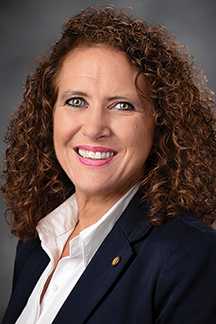
Kathie Hess Crouse
92% support rate
Top opponent
Corby Dillon
25% support rate
Ranked legislators
10
5 support · 5 oppose
Key legislators

Who's moving healthcare in West Virginia

Legislators moving healthcare in West Virginia
Legislator Party Stance Support rate Votes
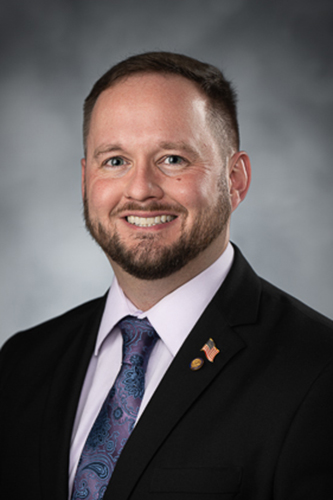
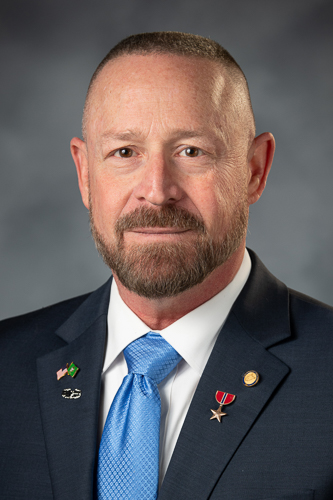
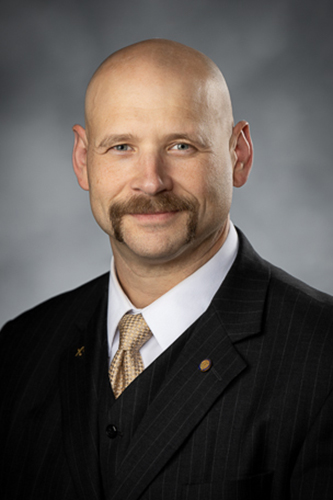
Kathie Hess Crouse
Kathie Hess Crouse House · District 19
R
Strong +
92% 34
Elliott Pritt
Elliott Pritt House · District 50
R
Strong +
92% 31
Jordan Maynor
Jordan Maynor House · District 41
R
Strong +
92% 33
Doug Smith
Doug Smith House · District 39
R
Strong +
92% 27
Geno Chiarelli
Geno Chiarelli House · District 78
R
Strong +
92% 34
Corby Dillon
Corby Dillon House · District 29
R
Oppose
25% 33
Marty Gearheart
Marty Gearheart House · District 37
R
Oppose
33% 24
Shawn Fluharty
Shawn Fluharty House · District 5
D
Oppose
40% 31
Buck Jennings
Buck Jennings House · District 84
R
Mixed −
42% 33
George Street
George Street House · District 83
R
Mixed −
42% 30
Showing 31–40 of 409 bills

All healthcare bills

in committee · West Virginia · House of Delegates Feb 16, 2026

HB 5556: Creating an external reference pricing pilot program for prescription drugs.

HB 5556 creates a three-year pilot program allowing West Virginia's Medicaid program to set drug reimbursement rates based on the lowest prices paid for similar drugs in other industrialized countries (external reference pricing). It targets high-cost prescription drugs significantly impacting Medicaid spending, while excluding drugs without international price comparisons and ensuring continued access to medically necessary medications. The program requires annual reports to lawmakers on cost savings, drug availability, and manufacturer participation, and permits the state to negotiate rebates or adjust rates to prevent shortages. This pilot applies only to Medicaid drugs and does not affect private insurance or existing pharmaceutical contracts.
in committee · West Virginia · House of Delegates Feb 16, 2026

HB 5572: Creating Vape and Smoke Shop Location and Operating Requirements Act

HB 5572 creates new regulations for vape and smoke shops in West Virginia, requiring them to obtain county health department permits and comply with specific operating rules. The bill sets location restrictions (e.g., distance from schools), mandates advertising that does not appeal to minors, establishes inspection standards, and imposes fines for violations. It directly affects businesses selling alternative nicotine products like e-cigarettes, requiring them to apply for permits and follow updated safety and property standards. The law also defines key terms such as "alternative nicotine product" and "permit" to clarify compliance requirements.
signed · West Virginia · Senate Jun 25, 2026

SB 831: Supplemental Appropriation to Department of Human Services, fund 8794

This bill (SB 831) reallocates $200,000 within an existing budget line for West Virginia's Department of Human Services Community Mental Health Services (Fund 8794). It decreases funding from the "Federal Coronavirus Pandemic" account and increases funding for "Personal Services and Employee Benefits" to cover staffing costs. The bill does not create new programs or change eligibility for services - it simply shifts existing federal funds between two internal budget categories. This adjustment affects how the Department of Human Services allocates resources for mental health services within its current fiscal year budget.
Sub-Topics Mental Health
signed · West Virginia · House of Delegates Jun 29, 2026

HB 5086: Relating to peer support services

HB 5086 establishes standards for peer support programs in West Virginia, directly affecting healthcare workers (covered caregivers like nurses, doctors, social workers, and first responders) and the peer support teams that assist them. The bill defines "peer support services" as nonclinical emotional or practical assistance provided by trained colleagues to help workers manage stress from high-pressure jobs, and requires peer support team members to complete 8 hours of initial training plus quarterly refreshers covering confidentiality, mental health resources, and communication skills. It prohibits licensing boards from disciplining peer support providers or requesting their communications, creating legal protections for these interactions under new §57-3-11. The law also defines key terms and sets training requirements through new sections §21-18-1 and §21-18-2.
Sub-Topics Mental Health
in committee · West Virginia · House of Delegates Feb 10, 2026

HB 5428: Relating to providing traumatic event counseling for peace officers.

HB 5428 requires employers of peace officers, firefighters, and 911 dispatchers to provide up to 12 sessions of licensed counseling (via telehealth if desired) for employees exposed to specific traumatic events in the line of duty, such as witnessing death, using deadly force, or responding to child-related incidents. Employers must cover up to 24 additional counseling sessions within one year if a mental health professional deems them necessary for recovery. The bill also prohibits requiring employees to use accrued leave for counseling appointments and ensures no loss of pay or benefits for up to 30 days if deemed unfit for duty during treatment, subject to specific conditions. It allows employees to select their own licensed mental health professional and clarifies that payment does not create a presumption of compensable claims.
Sub-Topics Healthcare Workforce Mental Health Substance Abuse Tags Public Safety
signed · West Virginia · House of Delegates Jun 29, 2026

HB 5015: Relating to the Respiratory Care Interstate Compact

HB 5015 creates the "Respiratory Care Interstate Compact," allowing respiratory therapists licensed in one participating state to practice in other member states more easily. It requires criminal history checks for new licenses and for therapists seeking to practice across state lines under the compact, with results kept confidential except under specific circumstances. The bill directly affects respiratory therapists seeking multi-state practice and the West Virginia Board of Respiratory Care Practitioners, which must implement these checks. Key provisions include establishing a Commission to oversee the compact, preserving each state's regulatory authority over licensure, and aiming to improve access to respiratory therapy services while addressing workforce shortages.
Sub-Topics Medical Licensing
in committee · West Virginia · House of Delegates Feb 9, 2026

HB 5361: Relating to federal law enforcement in specific locations

HB 5361 would prevent state and local law enforcement officers in West Virginia from conducting immigration-related arrests, detentions, or surveillance in sensitive locations like schools, places of worship, hospitals, courthouses, and facilities serving vulnerable populations (e.g., victims of abuse or individuals with disabilities). The bill defines these "sensitive locations" and prohibits immigration enforcement actions there, except when a court orders entry or an imminent public safety threat requires intervention. This directly affects how state/local officers interact with immigration enforcement in these settings. The law does not restrict federal immigration enforcement actions but limits state/local cooperation in protected locations.
in committee · West Virginia · House of Delegates Feb 12, 2026

HB 5470: Relating to financial or product assistance for prescription drugs

HB 5470 requires pharmacy benefits managers to include all cost-sharing amounts paid by patients or others when calculating their out-of-pocket costs for prescriptions. It applies annual cost-sharing limits to all health plans sold in West Virginia and prohibits insurers or pharmacy managers from changing coverage terms based on the availability of drug assistance programs. The bill directly affects insured patients and health plans by preventing hidden cost-shifting and ensuring transparency in how deductibles and copays are calculated. Violations carry civil penalties up to $10,000 per incident, and the provisions take effect for plans issued on or after January 1, 2027.
Sub-Topics Prescription Drugs
in committee · West Virginia · Senate Feb 18, 2026

SB 990: Creating WV ALS Care Services Act

SB 990 establishes the West Virginia ALS Care Services Act to provide targeted support for residents living with ALS and their caregivers. The bill requires the Department of Human Services to fund three key programs: (1) care coordination and support services to help navigate medical systems, (2) loans for reusable ramps and essential medical equipment (like mobility aids), and (3) access to specialized multidisciplinary ALS clinics. These provisions aim to help individuals remain safely in their homes longer, reducing reliance on costly hospital visits and institutional care. The program directly affects West Virginia residents diagnosed with ALS and their primary caregivers by addressing critical financial and medical barriers.
Sub-Topics Hospitals
in committee · West Virginia · House of Delegates Feb 12, 2026

HB 5481: To ban ultraprocessed foods (exempt drinks) from schools in WV

HB 5481 bans ultraprocessed foods from West Virginia public school meals while exempting certain non-alcoholic beverages (like diet drinks). It defines ultraprocessed foods as industrially manufactured items containing additives like artificial sweeteners, industrial flavorings, or preservatives beyond basic cooking methods. The bill requires schools participating in state meal programs to avoid these foods in reimbursable breakfasts and lunches, directing the West Virginia Department of Education to create compliant food lists, provide training, and allow phased implementation. It explicitly excludes foods brought from home, classroom celebrations, and medical accommodations, ensuring no impact on federal meal funding eligibility.
Showing 31 to 40 of 409 bills
Previous 1 3 4 5 41 Next