Issue · Healthcare

Healthcare

Every healthcare bill, vote, and legislator stance in West Virginia, automatically classified by Maddy, our AI policy reader.

Total bills
409
2026 Regular Session
Top supporter
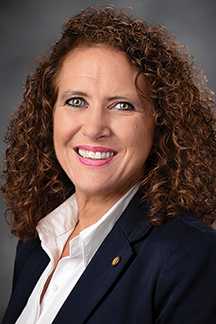
Kathie Hess Crouse
92% support rate
Top opponent
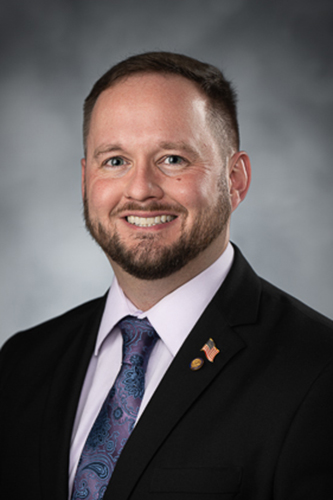
Corby Dillon
25% support rate
Ranked legislators
10
5 support · 5 oppose
Key legislators

Who's moving healthcare in West Virginia

Legislators moving healthcare in West Virginia
Legislator Party Stance Support rate Votes
Kathie Hess Crouse
Kathie Hess Crouse House · District 19
R
Strong +
92% 34
Elliott Pritt
Elliott Pritt House · District 50
R
Strong +
92% 31
Jordan Maynor
Jordan Maynor House · District 41
R
Strong +
92% 33
Doug Smith
Doug Smith House · District 39
R
Strong +
92% 27
Geno Chiarelli
Geno Chiarelli House · District 78
R
Strong +
92% 34
Corby Dillon
Corby Dillon House · District 29
R
Oppose
25% 33
Marty Gearheart
Marty Gearheart House · District 37
R
Oppose
33% 24
Shawn Fluharty
Shawn Fluharty House · District 5
D
Oppose
40% 31
Buck Jennings
Buck Jennings House · District 84
R
Mixed −
42% 33
George Street
George Street House · District 83
R
Mixed −
42% 30
Showing 301–310 of 409 bills

All healthcare bills

in committee · West Virginia · Senate Jan 22, 2026

SB 576: Relating to powers and duties of Secretary of Department of Health Facilities

This bill (SB 576) requires the Secretary of the West Virginia Department of Health Facilities to continue operating all state-owned health facilities and prohibits the sale or transfer of operations or related property for three specific hospitals - Mildred Mitchell-Bateman Hospital, Welch Community Hospital, and William R. Sharpe Jr. Hospital - without prior legislative approval. It strengthens existing duties by mandating that the Secretary cannot divest these facilities to private buyers without an act of the Legislature. The bill directly affects the Secretary’s authority and ensures these hospitals remain under state control unless the Legislature explicitly approves a sale.
Sub-Topics Hospitals
in committee · West Virginia · House of Delegates Jan 21, 2026

HB 4674: Relating to prohibiting the use or sale of abortifacients

HB 4674 prohibits the use or sale of "abortifacients" (defined as drugs requiring an FDA prescription or primarily used to cause abortion) in West Virginia. It directly affects healthcare providers, pharmacies, and individuals who mail or prescribe such drugs within the state, with criminal penalties for violations. The bill creates a private right to sue for damages if someone violates the prohibition and defines "medical emergency" narrowly to exclude psychological conditions. Key mechanisms include strict definitions of terms like "abortifacient" and "abortion," and it explicitly excludes exceptions for miscarriage, stillbirth, or ectopic pregnancies.
Sub-Topics Women's Health
in committee · West Virginia · House of Delegates Jan 28, 2026

HB 4899: Requiring all hospitals and medical offices to send a notice to all former or current patients when they turn 18, informing them that if they have had any negative or adverse side effects of a procedure that was performed on them as a child to contact the hospital or office to inform them of the issue

HB 4899 requires all West Virginia hospitals and medical offices to send a notice to patients who were under 18 during a medical or surgical procedure when they turn 18. The notice informs them that if they later experience negative or adverse effects from that childhood procedure, they should contact the original provider. This bill amends the West Virginia Medical Practice Act (§30-3-7) to mandate this notification process, directly affecting former pediatric patients turning 18. It establishes a specific mechanism for providers to proactively share this information without altering medical standards or creating new penalties.
signed · West Virginia · House of Delegates Jun 29, 2026

HB 4009: Relating to the creation of the Portable Benefit Account Act

HB 4009, the Portable Benefit Account Act, creates a new legal framework allowing independent contractors to access portable benefits through individually managed accounts. It directly affects independent contractors and hiring parties (businesses that contract with them), enabling voluntary contributions from hiring parties to fund benefits like health insurance, retirement plans, life insurance, and income replacement. Key provisions require written, opt-in agreements for contributions, prohibit using account contributions to determine worker classification, and mandate that accounts remain tied to the contractor - not the employer - when changing jobs. The bill establishes definitions for terms like "portable benefit account" and "provider," and requires administrative oversight by the Bank Commissioner.
Sub-Topics Insurance Gig Economy
in committee · West Virginia · House of Delegates Jan 15, 2026

HB 4388: Creating a special revenue account to expand in-state residential treatment capacity for children

HB 4388 creates a special revenue account to expand in-state residential treatment services for children, aiming to reduce reliance on out-of-state placements. It establishes a commission within the Department of Human Services, including agency leaders from child welfare, behavioral health, education, and juvenile justice, to study current placement practices and develop strategies for improvement. The commission will focus on increasing in-state facility capacity, reducing out-of-state placements (starting with older youth in juvenile justice), and improving coordination among agencies, families, and service providers through collaborative approaches like shared resources and updated placement information systems.
in committee · West Virginia · House of Delegates Jan 27, 2026

HB 4840: Exempt federally qualified health centers from having to obtain a prior authorization for behavioral health services

HB 4840 exempts federally qualified health centers (FQHCs) from prior authorization requirements for behavioral health services. This bill amends specific sections of West Virginia law (including §5-16-7f) to clarify that FQHCs - community health clinics serving underserved areas - do not need prior approval from insurers for these services. The key mechanism is a direct exemption in the prior authorization process, removing a bureaucratic hurdle for FQHCs to provide mental health and substance use treatment. This change directly affects FQHCs and their patients by streamlining access to behavioral health care without altering prior authorization rules for other providers.
Sub-Topics Mental Health
in committee · West Virginia · Senate Jan 15, 2026

SB 347: Medical Imaging and Radiation Therapy Technology Board of Examiners rule relating to standards of ethics

SB 347 authorizes West Virginia's Medical Imaging and Radiation Therapy Technology Board of Examiners to implement and enforce ethics standards for professionals in the field. The bill specifically approves a previously proposed rule (18 CSR 05) that addresses ethical conduct, which the Board had modified to address legislative committee feedback. This rule directly affects medical imaging and radiation therapy technologists who must adhere to these professional ethics standards. The legislation does not create new policy but formally authorizes the Board's existing rule to become effective.
in committee · West Virginia · Senate Jan 19, 2026

SB 507: Extending statute of limitations for bringing actions for gender reassignment surgeries

SB 507 extends the statute of limitations for medical malpractice lawsuits related to gender reassignment surgeries and gender transition therapies from the standard 2 years to 20 years after the injured person discovers both the injury and its connection to the treatment. It directly affects patients who received these medical services and later experienced complications, allowing them to file lawsuits even if the standard time limit had expired. The bill also invalidates any pre-existing liability waivers for these specific procedures, stating such waivers violate public policy. This change applies to both current and previously time-barred cases involving gender reassignment surgeries, medications, or transition services.
in committee · West Virginia · Senate Jan 14, 2026

SB 125: Providing medical examination transportation services for students who seek support after experiencing sexual violence

SB 125 requires West Virginia public colleges and universities to provide free, confidential transportation to students seeking a sexual assault forensic medical examination (commonly called a "rape kit" exam) at a hospital. This applies to students who request the exam after experiencing sexual violence, with transportation options including campus staff, rape crisis centers, ride-sharing services, or non-law enforcement vehicles (students cannot be forced to use police transport). The requirement begins for the 2027-2028 academic year and must be implemented "to the extent practicable" while protecting student safety and confidentiality. The bill does not mandate specific transportation methods but ensures students receive support without cost or privacy concerns.
in committee · West Virginia · House of Delegates Jan 14, 2026

HB 4222: Relating to authorizing the Department of Health to promulgate a legislative rule relating to diabetes self-management education.

HB 4222 authorizes the West Virginia Department of Health to issue a specific rule (64 CSR 115) that establishes standards for diabetes self-management education programs. This rule, filed with the State Register on July 25, 2025, will directly affect individuals with diabetes in West Virginia who participate in these programs and the healthcare providers offering them. The bill formally approves the existing rule proposal, making it part of state regulations without altering its content. The rule is designed to standardize education on managing diabetes, including topics like diet, medication, and blood sugar monitoring.
Showing 301 to 310 of 409 bills
Previous 1 30 31 32 41 Next