Issue · Criminal Justice

Criminal Justice (Corrections)

Every criminal justice bill, vote, and legislator stance in West Virginia, automatically classified by Maddy, our AI policy reader.

Total bills
93
2026 Regular Session
Top supporter
Elliott Pritt
100% support rate
Top opponent
Mickey Petitto
0% support rate
Ranked legislators
10
5 support · 5 oppose
Key legislators

Who's moving corrections in West Virginia

Legislators moving corrections in West Virginia
Legislator Party Stance Support rate Votes
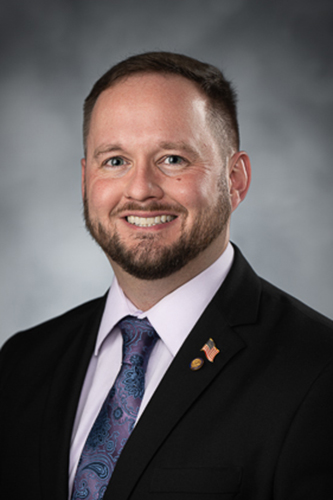
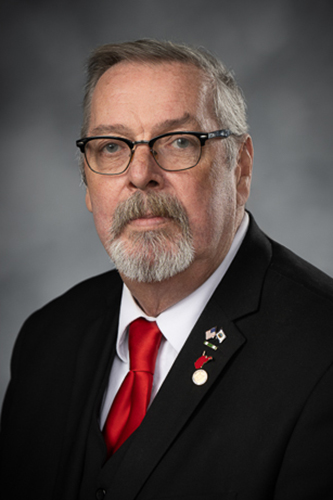
Elliott Pritt
Elliott Pritt House · District 50
R
Strong +
100% 3
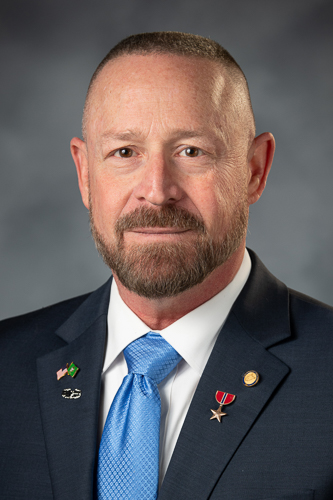
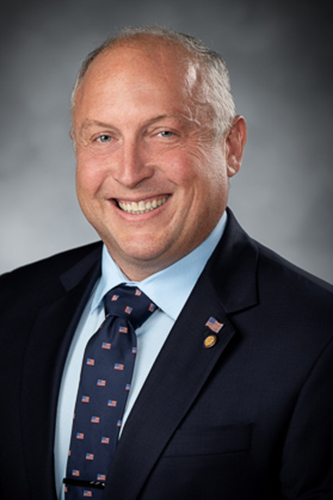
Doug Smith
Doug Smith House · District 39
R
Support
75% 4
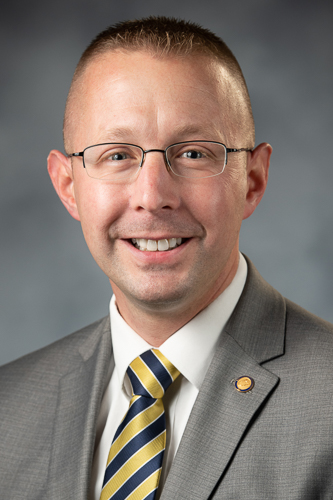
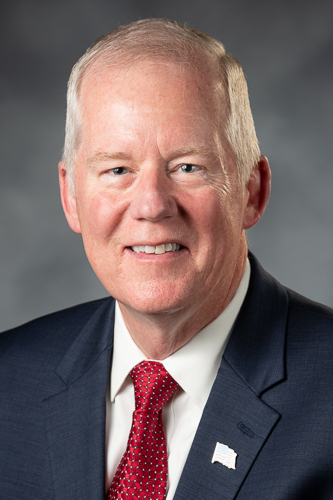
Jonathan Pinson
Jonathan Pinson House · District 17
R
Support
75% 4
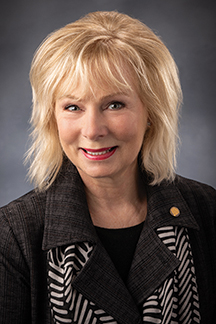
Margitta Mazzocchi
Margitta Mazzocchi House · District 31
R
Support
75% 4
Marshall Clay
Marshall Clay House · District 51
R
Support
75% 4
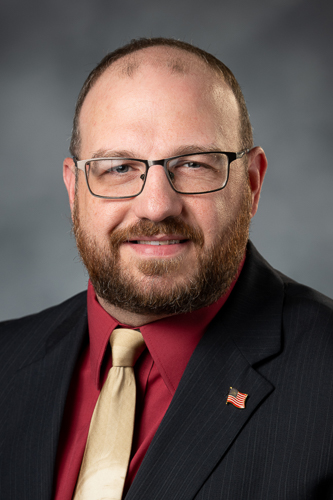
Mickey Petitto
Mickey Petitto House · District 70
R
Strong −
0% 3
Adam Vance
Adam Vance House · District 35
R
Oppose
25% 4
Bill Anderson
Bill Anderson House · District 10
R
Oppose
25% 4
Bill Flanigan
Bill Flanigan House · District 4
R
Oppose
25% 4
Bob Fehrenbacher
Bob Fehrenbacher House · District 11
R
Oppose
25% 4
Showing 51–60 of 93 bills

All criminal justice bills

in committee · West Virginia · House of Delegates Jan 21, 2026

HB 4662: Creating additional sentences for convicted inmates who test positive for illegal substances or who are found to be in possession of illegal or controlled substances

HB 4662 would add penalties for West Virginia inmates found in possession of illegal drugs or testing positive for drug use while incarcerated. For a first offense, it mandates adding six months to an inmate's current sentence (to be served consecutively), and for each subsequent offense, it requires adding one year consecutively. The bill also requires drug testing to begin after three months of incarceration, with ongoing testing based on equipment availability or suspicion. This law directly affects inmates in West Virginia correctional facilities who test positive or possess drugs during their sentence.
in committee · West Virginia · House of Delegates Jan 28, 2026

HB 4890: A 10% raise to non-uniformed corrections workers

HB 4890 would provide a 10% annual pay increase for non-uniformed administrative staff and personnel at West Virginia's Division of Corrections, Division of Juvenile Services, and the West Virginia Regional Jail and Correctional Facility Authority, effective July 1, 2026. This adjustment aims to address staffing challenges by helping retain current workers and attract new employees to these correctional facilities. Funding would come from general revenue for the Division of Corrections and Juvenile Services, and from a special revenue fund for the Regional Jail Authority, avoiding additional general fund appropriations. The bill also requires that the pay increase be applied even if it exceeds the current maximum pay grade for an employee's position.
in committee · West Virginia · Senate Jan 14, 2026

SB 195: Increasing penalty for second degree murder

SB 195 would increase the minimum prison sentence for second-degree murder in West Virginia from 10 years to 15 years. It also requires individuals convicted under this law to serve at least 15 years before becoming eligible for parole, or the longer period specified in another law (§62-12-13), whichever applies. This bill directly affects people convicted of second-degree murder in West Virginia, changing their mandatory minimum sentence and parole eligibility. The key provision raises the minimum term and modifies parole rules without altering the maximum 40-year sentence. The bill is currently in the Senate Judiciary Committee after being introduced on January 14, 2026.
in committee · West Virginia · Senate Jan 15, 2026

SB 425: Requiring minimum time be served for first degree murder before parole eligibility

This bill changes the parole rules for individuals convicted of first-degree murder who receive a life sentence with parole eligibility ("life with mercy"). It requires them to serve a minimum of 30 years in prison before becoming eligible for parole. The law directly affects those sentenced under West Virginia Code §61-2-2 for first-degree murder, specifically altering their parole timeline. This policy change eliminates early parole consideration for these offenders, mandating a 30-year minimum term before parole review.
in committee · West Virginia · Senate Jan 16, 2026

SB 454: Stop Non-Consensual Distribution of Intimate Deep Fake Media Act

SB 454, the "Stop Non-Consensual Distribution of Intimate Deep Fake Media Act," makes it illegal to intentionally distribute deep fake media falsely depicting a person engaging in sexual conduct without their consent, specifically when done to harass, coerce, or damage their reputation. The law applies to anyone distributing such content (e.g., through social media or sharing), while excluding constitutionally protected speech like political satire or works with clear disclaimers that the media is manipulated. Violations carry penalties of up to $10,000 fines or five years in prison for repeat offenses, with lesser penalties for other cases, and allow courts to issue restraining orders to stop ongoing distribution. This directly affects individuals whose images are misused without consent and those creating or sharing non-consensual deep fakes.
in committee · West Virginia · Senate Jan 16, 2026

SB 433: Relating generally to reimbursement for costs of incarceration

This bill requires courts to charge defendants convicted of crimes for up to 30 days of incarceration costs (including time before conviction) in regional jails. Before imposing these costs, a court must hold a hearing to assess the defendant's ability to pay and cannot order payment if it would cause financial hardship. Defendants may later petition for relief from unpaid costs if paying would create hardship for them or their dependents. Any money seized as evidence must be used to cover regional jail costs, regardless of the defendant's financial status.
Sub-Topics Corrections Courts
in committee · West Virginia · House of Delegates Jan 29, 2026

HB 4966: Increase the penalty for adults who buy vapes and cartiges for underage children

HB 4966 increases penalties for adults who purchase tobacco products (including vapes and cartridges) for minors under 21. It directly affects adults who buy these products for underage children, not the minors themselves. The bill imposes a $500 fine for a first offense, with higher fines ($1,500-$5,000) for repeat violations within specific timeframes, and allows for jail time (up to 60 days) for third offenses. Retail employees who violate the law face non-criminal penalties like education programs instead of fines, while employers may terminate employees who sell to minors after prior written warnings.
signed · West Virginia · Senate Jun 25, 2026

SB 197: Relating to crime of sexual abuse by parent, guardian, custodian, or person in position of trust to child

This bill (SB 197) amends West Virginia law to explicitly include "attempt" as a criminal offense under the existing statute for sexual abuse by caregivers. It makes it a felony for parents, guardians, custodians, or others in positions of trust to attempt sexual abuse of a child in their care, with penalties of 10-20 years in prison for attempts involving children under 16. The change aligns penalties for attempted abuse with those for completed abuse, ensuring individuals who try to commit such acts face the same criminal consequences as those who succeed. This directly affects caregivers who attempt sexual misconduct with children under their supervision.
Sub-Topics Corrections
signed · West Virginia · House of Delegates Jun 29, 2026

HB 4999: Relating to crimes against athletic officials

HB 4999 expands legal protections for both athletic officials (like referees) and participants (players) in West Virginia by making assault or battery against them a misdemeanor. It increases penalties: assault fines of $250-$500 with up to six months in jail, and battery fines of $500-$1,000 with up to one year in jail. The bill also allows school boards to ban convicted offenders from all school sports events for at least one year, with violating this ban treated as trespassing. However, it explicitly exempts normal sports actions - such as hard fouls within game rules - from prosecution.
in committee · West Virginia · Senate Jan 14, 2026

SB 190: Relating to assault and battery on emergency service personnel, law-enforcement officers, and correctional employees

SB 190 strengthens penalties for assaulting specific public safety and service workers in West Virginia. It clarifies that intentionally causing injury to law-enforcement officers, correctional employees, emergency medical personnel, health care workers, or utility workers while they are performing official duties constitutes a felony. The bill establishes three penalty tiers: malicious assault (3-15 years imprisonment), unlawful assault (2-5 years), and battery (misdemeanor with up to 1 year jail or $500 fine). It directly affects anyone who targets these workers during their duties, with the law requiring the perpetrator to know the victim was acting officially. The bill amends existing criminal code sections to define these protections and specify the enhanced penalties.
Showing 51 to 60 of 93 bills
Previous 1 5 6 7 10 Next