Issue · Criminal Justice

Criminal Justice

Every criminal justice bill, vote, and legislator stance in West Virginia, automatically classified by Maddy, our AI policy reader.

Total bills
69
119th Congress
Top supporter
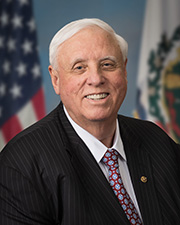
James C. Justice
77% support rate
Top opponent
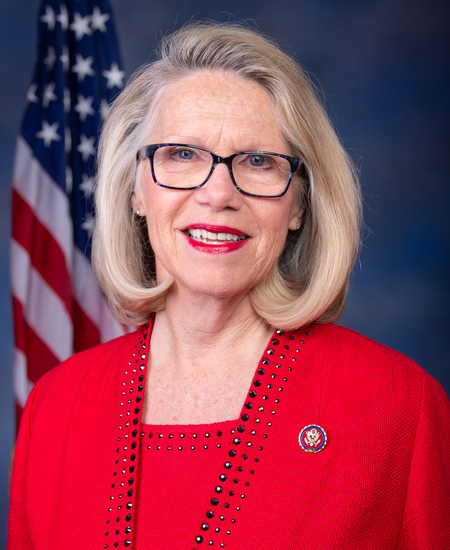
Carol D. Miller
36% support rate
Ranked legislators
4
2 support · 2 oppose
Key legislators

Who's moving criminal justice in West Virginia

Legislators moving criminal justice in West Virginia
Legislator Party Stance Support rate Votes
James C. Justice
James C. Justice Senate
R
Support
77% 164
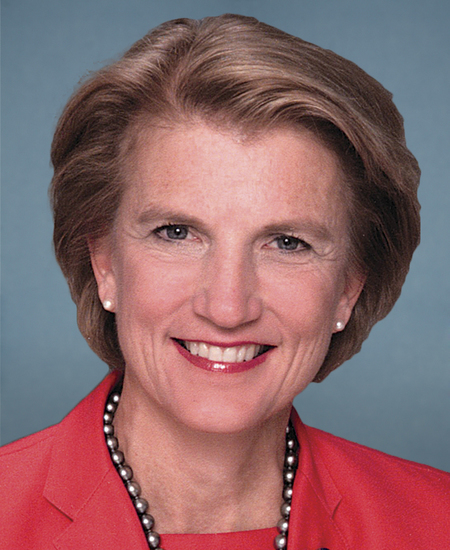
Shelley Moore Capito
Shelley Moore Capito Senate
R
Support
77% 170
Carol D. Miller
Carol D. Miller House · District 1
R
Oppose
36% 146
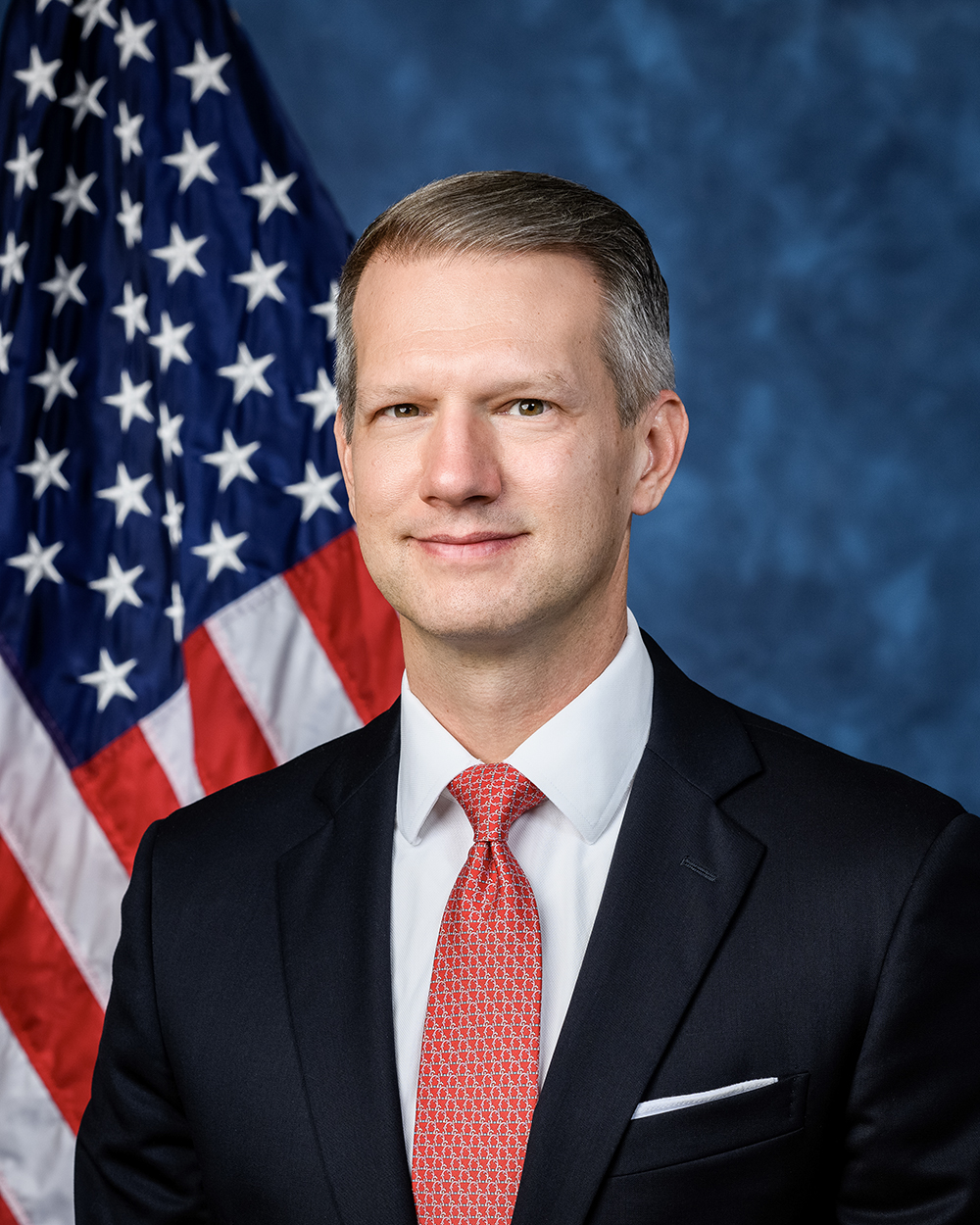
Riley M. Moore
Riley M. Moore House · District 2
R
Oppose
36% 150
Showing 1–10 of 69 bills

All criminal justice bills

in committee · United States · House Aug 27, 2026

HR 10157: Freedom to Home Distill Act

The Freedom to Home Distill Act would allow individuals to legally produce small amounts of alcohol at home for personal use without paying federal excise taxes or facing criminal penalties. To qualify, a household could distill up to 10 proof gallons per year if it has one adult, or 20 proof gallons if it has two or more adults, provided the spirits are never sold or transferred to others. The bill exempts home distillers from standard business requirements such as registering their equipment and paying taxes, but it mandates that any stills purchased for this purpose must have specific safety features like pressure release valves and a capacity of no more than 50 gallons. These changes would take effect for spirits produced after December 31, 2026.
in committee · United States · Senate Jun 11, 2026

S 4775: Stopping Harmful and Outrageous Torts Act

The Stopping Harmful and Outrageous Torts Act expands legal protections for firearm manufacturers and sellers by immediately dismissing any lawsuits currently pending against them that allege harm caused by the criminal or unlawful misuse of their products. The bill defines these protected cases as those where the injury resulted from a third party's illegal actions rather than a defect in the product itself, while explicitly excluding claims involving negligent entrustment, specific federal violations, or design defects. To enforce these protections, the law allows defendants to remove such cases from state courts to federal court and grants them the right to appeal dismissal orders immediately. Additionally, the legislation preempts state and local laws that attempt to hold these companies liable for product misuse and provides for attorney's fees for defendants who successfully assert their immunity.
Sub-Topics Courts Firearms
in committee · United States · House Jun 11, 2026

HR 9298: Stopping Harmful and Outrageous Torts Act

This bill, known as the Stopping Harmful and Outrageous Torts Act, expands legal protections for firearm manufacturers and sellers by strengthening their immunity from civil lawsuits. It requires courts to immediately dismiss any pending cases against these companies that are based on the criminal or unlawful misuse of a gun by a third party, while also clarifying that sellers are not liable for negligence in entrusting products to others. The legislation further restricts who can file such suits by prohibiting foreign governments from bringing these claims and adding a specific exception for victims under the age of 17, though it maintains immunity for cases involving design or manufacturing defects. Additionally, the bill allows companies to move these cases to federal court and grants them the right to appeal dismissal orders immediately, along with the ability to recover legal fees if they win. Finally, it preempts state and local laws that attempt to impose liability on these entities for the same types of misuse-related harms.
Sub-Topics Courts Firearms
in committee · United States · Senate Jun 3, 2026

S 4671: Federal Firearms Licensee Protection Act of 2026

The Federal Firearms Licensee Protection Act of 2026 increases penalties for individuals who knowingly violate federal laws regarding the possession of firearms by licensed dealers. Specifically, it raises the maximum prison sentence for such violations to 20 years and mandates a minimum of three years in prison if the offense occurs during a burglary of a licensed business. The law also sets a five-year minimum sentence if the violation happens during a robbery. These changes directly affect federal firearms licensees and anyone attempting to illegally possess firearms from them.
passed · United States · Senate Jun 15, 2026

S 4394: Promoting Police Leadership Act

The Promoting Police Leadership Act directs the Attorney General to create and certify specialized training programs for police commanders, focusing on leadership, community trust, and data-driven policing. This initiative requires the training to be primarily in-person and include practical problem-solving exercises where officers develop and refine solutions for real-world challenges. The bill mandates that the Attorney General consult with local agencies and universities to design these curricula and publish a list of law enforcement units that successfully complete the courses. Additionally, the legislation requires periodic reports to Congress and a review by the Government Accountability Office to assess the program's effectiveness and implementation barriers. Importantly, the act does not override state or local authority to set their own certification standards for law enforcement officers.
in committee · United States · Senate Apr 15, 2026

S 4309: Deescalation Drone Pilot Program Act of 2026

This bill establishes a pilot program for law enforcement agencies to test and evaluate nonlethal drones designed to help de-escalate active shooter situations. The Federal Aviation Administration will lead this initiative by reviewing weapon options, developing safety and training protocols, and assessing how these drones can safely increase the distance between officers and shooters. The program requires that all tested drones be manufactured in the United States and mandates a final report to Congress outlining a future process for official approval of such operations. Additionally, the legislation reaffirms the existing ban on drones armed with lethal weapons while defining specific criteria for what constitutes a nonlethal device in this context.
passed · United States · House May 13, 2026

HRES 1252: Resolution memorializing law enforcement officers killed in the line of duty.

This resolution expresses support for police officers and other law enforcement personnel. The resolution further recognizes law enforcement officers across the United States in the pursuit of preserving safe and secure communities; the need to ensure that such officers have the equipment, training, and resources necessary to protect their health and safety while they are protecting the public; and the law enforcement community for acts of sacrifice and heroism. The resolution expresses condolences and appreciation to the loved ones of each law enforcement officer who has made the ultimate sacrifice in the line of duty.
in committee · United States · House Apr 16, 2026

HR 8341: DEPORT Act of 2026

The DEPORT Act of 2026 proposes changes to U.S. immigration law regarding terrorism-related offenses. It would require all naturalization applicants to attest under oath that they have not committed, have charges pending for, or intend to commit specific terrorism-related crimes. The bill also establishes new procedures for denaturalizing U.S. citizens, allowing convictions or credible evidence of these offenses to be used as grounds for revoking citizenship, with certain presumptions of illegal procurement. Furthermore, it would make individuals convicted of such offenses inadmissible to the U.S., deportable if denaturalized, ineligible for most immigration benefits, and permanently barred from future admission. These provisions directly affect naturalization applicants, naturalized citizens, and aliens seeking admission or other immigration benefits.
passed · United States · Senate Apr 28, 2026

SRES 668: A resolution designating April 2026 as "Second Chance Month".

This Senate resolution designates April 2026 as Second Chance Month to raise awareness about the challenges faced by individuals with criminal records as they reenter society. The bill highlights how legal and societal barriers, such as restrictions on employment, housing, and education, often prevent formerly incarcerated people from finding meaningful work and rebuilding their lives. By honoring the work of communities and organizations that support reentry, the resolution encourages employers and the public to consider extending second chances to those who have completed their sentences. The designation aims to promote understanding of these obstacles and foster opportunities for individuals to contribute positively to their families and communities.
Sub-Topics Probation & Parole
in committee · United States · Senate Mar 26, 2026

S 4224: Dalilah’s Law Act

This bill, known as Dalilah's Law Act, prohibits individuals with certain immigration statuses from obtaining or using commercial driver's licenses in interstate commerce. It requires state officials to verify an applicant's employment eligibility through E-Verify before issuing such licenses and imposes criminal penalties, including mandatory minimum sentences for accidents causing injury or death. The legislation also establishes civil penalties for businesses that assist in violations and allows victims of accidents caused by these drivers to sue for triple damages. Additionally, it adds the use of commercial licenses by these individuals as an aggravated felony and grounds for deportation under immigration law.
Showing 1 to 10 of 69 bills
1 2 3 7 Next