Issue · Criminal Justice

Criminal Justice

Every criminal justice bill, vote, and legislator stance in West Virginia, automatically classified by Maddy, our AI policy reader.

Total bills
86
2026 Regular Session
Top supporter
Elliott Pritt
80% support rate
Top opponent
Guy Ward
12% support rate
Ranked legislators
10
5 support · 5 oppose
Key legislators

Who's moving criminal justice in West Virginia

Legislators moving criminal justice in West Virginia
Legislator Party Stance Support rate Votes
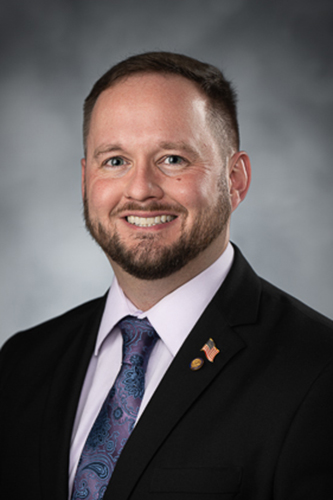
Elliott Pritt
Elliott Pritt House · District 50
R
Strong +
80% 24
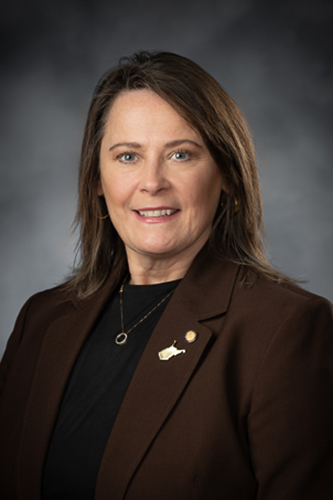
Margitta Mazzocchi
Margitta Mazzocchi House · District 31
R
Support
71% 27
Tresa Howell
Tresa Howell House · District 52
R
Support
67% 29
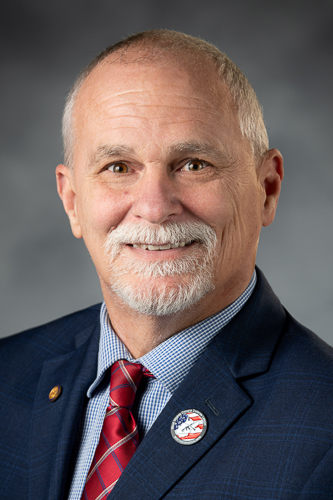
Chuck Horst
Chuck Horst House · District 95
R
Support
67% 29
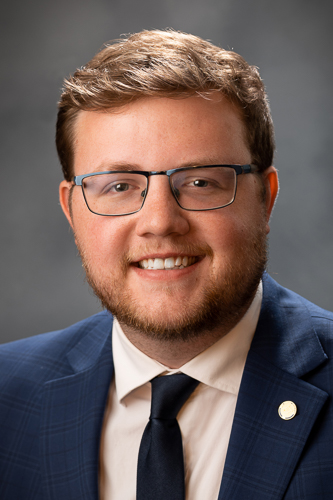
Corby Dillon
Corby Dillon House · District 29
R
Support
67% 29
Guy Ward
Guy Ward House · District 74
R
Strong −
12% 28
Jarred Cannon
Jarred Cannon House · District 21
R
Strong −
14% 24
Betsy Kelly
Betsy Kelly House · District 9
R
Strong −
14% 21
Mickey Petitto
Mickey Petitto House · District 70
R
Strong −
17% 20
Phil Mallow
Phil Mallow House · District 75
R
Oppose
22% 29
Showing 21–30 of 86 bills

All criminal justice bills

in committee · West Virginia · Senate Feb 2, 2026

SB 707: Relating to crimes involving abuse or desecration of human remains

This bill creates new criminal offenses for intentionally abusing or desecrating human remains, including mutilation, dismemberment, or unauthorized disposal of a deceased body or cremated remains. It establishes a base felony offense (1-5 years in prison or up to $5,000 fine) and an aggravated offense (2-10 years or $2,000-$10,000 fine) when the act involves concealment, obstruction, commercial exploitation, or connection to other felonies. The law applies to both bodies and cremated remains but exempts lawful activities by medical professionals, funeral directors, law enforcement, and researchers acting within legal authority. Prosecutions may occur in the county where the conduct happened or where the remains were discovered.
in committee · West Virginia · Senate Feb 21, 2026

SB 1039: Expanding crime of indecent exposure to include biological males who undress in women's locker rooms

SB 1039 (West Virginia Senate Bill 1039) amends the state's indecent exposure law to specifically criminalize biological males who undress in women's locker rooms. The bill adds this behavior to the definition of indecent exposure under §61-8-9(a), making it a misdemeanor punishable by up to 90 days in jail or a $250 fine. It directly affects individuals who intentionally undress in women's locker rooms under circumstances likely to cause affront or alarm. The law does not apply to mothers breastfeeding, and penalties increase for repeat offenses or if the exposure was for sexual gratification. This bill is currently pending in the Senate Judiciary Committee.
Sub-Topics Corrections
in committee · West Virginia · House of Delegates Feb 18, 2026

HB 5206: To make certain acts of panhandling and solicitation unlawful

HB 5206 makes certain panhandling and solicitation practices unlawful in West Virginia, directly affecting individuals requesting money, goods, or services in public spaces. The bill prohibits panhandling in specific locations (like bus stops, near ATMs, schools, and within 100-200 feet of highways) and during restricted hours (9 a.m. to 6 p.m.), while requiring licensed panhandlers to carry ID and permits. Exemptions apply to fire departments, school groups, and 501(c)(3) nonprofits soliciting for their operations. Violations carry misdemeanor fines starting at $100 for a first offense, increasing to $1,000 for repeat offenses, with permit revocation after three violations.
in committee · West Virginia · Senate Feb 5, 2026

SB 783: Relating to sentence of death or life imprisonment for capital sexual battery

SB 783 proposes that defendants convicted of sexual battery (or attempted sexual battery) causing injury to the sexual organs of a child under 12 years old face a mandatory death penalty or life imprisonment without parole. The bill requires a separate sentencing hearing after conviction, where a jury must unanimously find at least two aggravating factors to consider the death penalty. If eight or more jurors recommend death, the court must impose it; otherwise, life without parole is required. This bill directly affects individuals convicted of this specific child sexual abuse offense in West Virginia.
in committee · West Virginia · Senate Feb 21, 2026

SB 1046: Increasing fines for first degree sexual assault

Senate Bill 1046 increases the fine for first-degree sexual assault from $1,000-$10,000 to $10,000-$100,000. It specifically mandates life imprisonment and a $50,000-$250,000 fine for offenders aged 18 or older who commit sexual assault against victims under 12 years old. The bill also updates jury procedures to require explicit findings on life imprisonment eligibility in these cases. This legislation directly affects individuals convicted of first-degree sexual assault, particularly those involving child victims under 12.
Sub-Topics Violent Crime
signed · West Virginia · Senate Jun 25, 2026

SB 1026: Increasing criminal penalties and fines for disturbing religious worship

SB 1026 creates a new criminal offense for disturbing lawful meetings, specifically increasing penalties when the disruption targets religious worship gatherings. It defines prohibited acts like obstructing meetings or making displays that outrage a group's sensibilities. Violations become a felony if committed to disrupt religious worship at tax-exempt places (including virtual meetings via video/teleconferencing), otherwise remaining a misdemeanor. The law directly affects individuals who interfere with religious services or gatherings, with enhanced penalties applying specifically to religious contexts. This is a policy change establishing concrete criminal penalties for targeted disruptions of religious activities.
in committee · West Virginia · House of Delegates Jan 14, 2026

HB 4147: Make underage tobacco possession unlawful

HB 4147 makes it unlawful for anyone under 21 to possess or use tobacco products in West Virginia. The bill imposes escalating penalties for violations: a $50 fine and eight hours of community service for a first offense, increasing to $200 and 24 hours for third or subsequent offenses. It includes an exception allowing minors assisting with tobacco compliance inspections to avoid penalties. The law directly affects individuals under 21 who possess or use tobacco products, with no mention of additional exemptions beyond the inspection exception.
Sub-Topics Drug Policy
in committee · West Virginia · House of Delegates Jan 29, 2026

HB 4974: Relating generally to persons porhibited from possessing firearms.

HB 4974 amends West Virginia law to clarify and expand the categories of people prohibited from legally owning or carrying firearms. It directly affects individuals with certain felony convictions (especially violent or drug-related offenses), those found mentally incompetent or involuntarily committed, unlawful drug users, people subject to specific domestic violence protective orders (requiring findings of credible threat or explicit force prohibitions), and others with disqualifying legal histories. The bill specifies penalties: misdemeanor fines/jail time for first-time violations of prohibitions, and felony charges with longer prison terms for repeat offenses or violations by those prohibited under stricter categories. It also maintains the process for eligible individuals to petition courts to restore firearm rights after meeting strict criteria.
vetoed · West Virginia · House of Delegates Apr 2, 2026

HB 4893: Increase the penalties for contempt of court in a magistrate court

HB 4893 increases penalties for contempt of court in West Virginia magistrate courts. It raises maximum fines for contempt: from $50 to $200 for a first offense, $100 to $500 for a second offense, and $100 to $1,000 (or up to 10 days in jail) for a third or subsequent offense related to the same matter. The bill applies directly to individuals disrupting court proceedings, including witnesses, jurors, parties, or officers who commit contempt. These changes take effect for offenses occurring after the bill's passage, with appeals still allowed to circuit court as in criminal cases.
signed · West Virginia · Senate Jun 25, 2026

SB 137: Modifying parole eligibility for crime of second degree murder and voluntary manslaughter

SB 137 increases the minimum time inmates must serve before becoming eligible for parole for second-degree murder and voluntary manslaughter convictions in West Virginia. Specifically, it raises the parole eligibility minimum from 10 years to 15 years for second-degree murder (under §61-2-3) and from 3 years to 5 years for voluntary manslaughter (under §61-2-4). The bill also increases the minimum period for parole eligibility for those sentenced to life imprisonment. These changes directly affect individuals convicted of these specific violent crimes, requiring them to serve longer sentences before parole consideration.
Sub-Topics Probation & Parole
Showing 21 to 30 of 86 bills
Previous 1 2 3 4 9 Next