

Increasing criminal penalties and fines for disturbing religious worship
SB 1026 creates a new criminal offense for disturbing lawful meetings, specifically increasing penalties when the disruption targets religious worship gatherings. It defines prohibited acts like obstructing meetings or making displays that outrage a group's sensibilities. Violations become a felony if committed to disrupt religious worship at tax-exempt places (including virtual meetings via video/teleconferencing), otherwise remaining a misdemeanor. The law directly affects individuals who interfere with religious services or gatherings, with enhanced penalties applying specifically to religious contexts. This is a policy change establishing concrete criminal penalties for targeted disruptions of religious activities.
Bill status
signed
all 5 stages cleared
Introduction
Feb 2026
Committee Review
Mar 2026
Senate Passage
Mar 2026
House of Delegates Passage
Mar 2026
Signed into Law
Jun 2026
Introduced Feb 20, 2026
Signed Jun 25, 2026
Maddy AI version diff · 4 comparisons
What changed between versions
sb1026 h jud am _1 adopted.htm
→
sb1026 hfat akers 3-13 adopted.htm
·
4 edits
MODERATE
The bill was amended to replace the committee's draft with a new version that significantly increases penalties for disturbing religious worship. The maximum jail time was raised from six months to one year, and the maximum fine was increased from $100 to $1,000. The amendment also clarifies that the law does not prohibit peaceful picketing or other First Amendment-protected conduct.
Scope change
The scope of criminal liability for disturbing religious worship was expanded by increasing the severity of the punishment.
ENFORCEMENT
Maximum jail sentence for the offense increased from six months to one year.
Maximum fine for the offense increased from $100 to $1,000.
DEFINITION
Explicit clarification was added stating that the law does not prohibit peaceful picketing, protests, or other conduct protected by the First Amendment.
TECHNICAL
Outdated and inconsistent language within the original text was removed and replaced with clearer statutory language.
Floor votes · Senate Mar 3, 2026 · House of Delegates Mar 14, 2026
How they voted
33–0
Passed
Total votes 33
Mar 3, 2026
D
Democratic2
100% Yea
R
Republican31
100% Yea
Vote distribution
All Yea
All Nay
Mixed
No data
Full legislative history
Actions timeline
Total actions
40
Key actions
10
Committee
6
Amendments
1
Apr 1, 2026
Signed into law
Approved by Governor 4/1/2026
upper
Mar 14, 2026
Signed into law
Approved by Governor 4/1/2026 - House Journal
lower
Mar 14, 2026
Signed into law
Approved by Governor 4/1/2026 - Senate Journal
upper
Mar 14, 2026
Upper · Passed
Senate concurred in House amendments and passed bill (Roll No. 661)
upper
Mar 14, 2026
Lower · Passed
Title amendment adopted (Voice vote)
lower
Mar 14, 2026
Lower · Passed
Passed House (Roll No. 620)
lower
Mar 12, 2026
Lower · Passed
Committee amendment adopted (Voice vote)
lower
Mar 12, 2026
Introduced
Amendment reported by the Clerk
lower
Mar 10, 2026
Lower · Passed
With amendment, do pass
lower
Mar 5, 2026
Committee
To House Judiciary
lower
Mar 5, 2026
Committee
To Judiciary
lower
Mar 5, 2026
Introduced
Introduced in House
lower
Mar 3, 2026
Upper · Passed
Passed Senate (Roll No. 303)
upper
Feb 27, 2026
Upper · Passed
Committee substitute reported
upper
Feb 20, 2026
Introduced
Introduced in Senate
upper
Feb 20, 2026
Committee
To Judiciary
upper
1 primary · 2 co-sponsors
Sponsors
Role
Legislator
Party
State
District
P
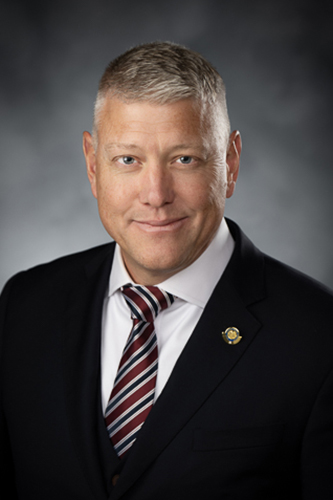
Tom Willis
RRepublican
Co
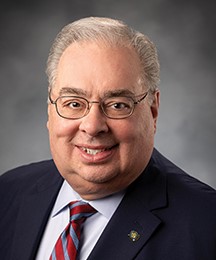
Kevan Bartlett
RRepublican
Co
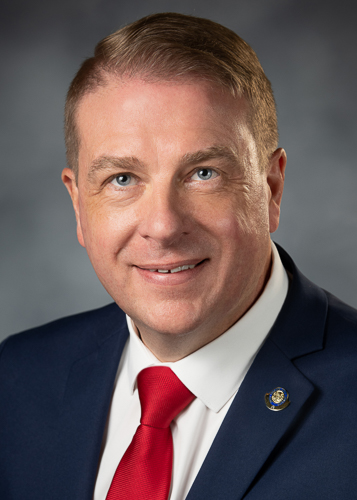
Vince Deeds
RRepublican
Ask Maddy
·
AI policy assistant
Ask Maddy about SB 1026
Scope: WV
Hi! I can help you understand SB 1026. What would you like to know?
Try one of these
i
Maddy answers using official bill text and legislative records. Always verify before sharing.
Sources cited inline