Issue · Criminal Justice

Criminal Justice

Every criminal justice bill, vote, and legislator stance in West Virginia, automatically classified by Maddy, our AI policy reader.

Total bills
259
2026 Regular Session
Top supporter
Elliott Pritt
80% support rate
Top opponent
Guy Ward
12% support rate
Ranked legislators
10
5 support · 5 oppose
Key legislators

Who's moving criminal justice in West Virginia

Legislators moving criminal justice in West Virginia
Legislator Party Stance Support rate Votes
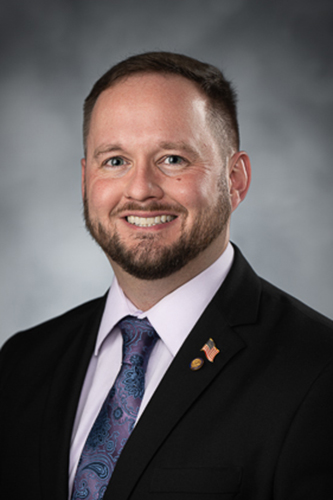
Elliott Pritt
Elliott Pritt House · District 50
R
Strong +
80% 24
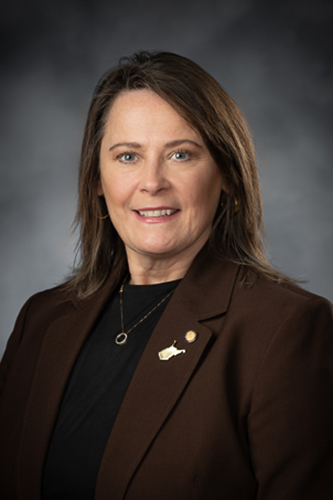
Margitta Mazzocchi
Margitta Mazzocchi House · District 31
R
Support
71% 27
Tresa Howell
Tresa Howell House · District 52
R
Support
67% 29
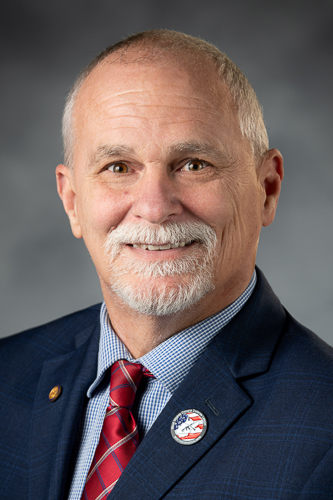
Chuck Horst
Chuck Horst House · District 95
R
Support
67% 29
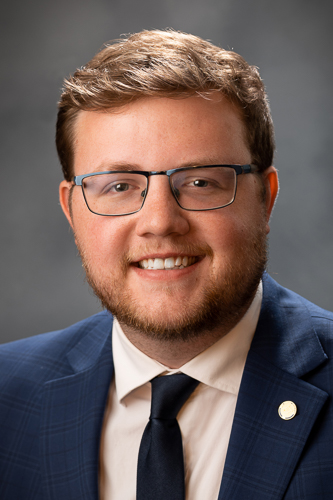
Corby Dillon
Corby Dillon House · District 29
R
Support
67% 29
Guy Ward
Guy Ward House · District 74
R
Strong −
12% 28
Jarred Cannon
Jarred Cannon House · District 21
R
Strong −
14% 24
Betsy Kelly
Betsy Kelly House · District 9
R
Strong −
14% 21
Mickey Petitto
Mickey Petitto House · District 70
R
Strong −
17% 20
Phil Mallow
Phil Mallow House · District 75
R
Oppose
22% 29
Showing 221–230 of 259 bills

All criminal justice bills

in committee · West Virginia · Senate Jan 14, 2026

SB 112: Restoring voting rights for person incarcerated for felony upon release

SB 112 would change West Virginia law to automatically restore voting rights for people convicted of a felony upon their release from incarceration, regardless of whether they are on probation, parole, or supervised release. Currently, individuals serving felony sentences cannot vote, but this bill would end that disqualification immediately after release. The key provision amends Section 3-2-2 of the state code to state that eligibility is "automatically restored upon release from incarceration." This directly affects all West Virginians who were incarcerated for a felony conviction, allowing them to register and vote as soon as they leave prison.
Sub-Topics Civil Rights Corrections Probation & Parole Tags Elections
passed · West Virginia · House of Delegates Feb 17, 2026

HB 4997: Relating to residency restrictions for persons convicted of terroristic threats

HB 4997 prohibits individuals convicted of terroristic threats involving schools or children (under §61-6-24(b)) from residing within 1,000 feet of any educational facility, including public/private schools, preschools, or daycares where children are regularly present. This residency restriction applies automatically during probation or parole, or as a sentencing condition if no supervision is ordered. Violations are classified as felonies punishable by 1-5 years in prison, up to $10,000 in fines, or both, and may lead to revocation of probation. The bill uses GIS or property records to measure proximity and aligns with existing sex offender residency rules under §62-12-26.
passed · West Virginia · Senate Mar 12, 2026

SB 473: Creating felony offense of using electronic device to threaten violence

SB 473 creates felony penalties for threatening to commit violent crimes using electronic devices (like texts, social media, or emails) when the threat causes a building evacuation, widespread fear, or serious disruption. It directly affects individuals who send such threats, making it a felony if the communication causes significant public alarm or evacuation. The law specifies that prosecutors must prove the threat was viewed as threatening by a reasonable person, and it prohibits defenses like claiming the threat wasn't "real." Penalties include fines up to $10,000 or prison terms of 1-10 years for these offenses.
Sub-Topics Corrections Firearms
in committee · West Virginia · House of Delegates Jan 16, 2026

HB 4443: Allow municipality to order suspension of driver’s license when defendant fails to pay traffic fine

HB 4443 would allow West Virginia municipalities to suspend a person's driver's license if they fail to pay traffic fines or enter a payment plan within 90 days after a court judgment. The bill requires courts to offer payment plans based on 2% of annual net income (minimum $10 monthly), with a $25 setup fee, and imposes a $10 late fee per month for missed payments. After 90 days of nonpayment, clerks may suspend licenses, place judgment liens, or refer debts to collections (with limits on collection fees). This directly affects individuals with unpaid municipal court fines for traffic violations or related offenses.
Sub-Topics Courts
in committee · West Virginia · Senate Jan 14, 2026

SB 145: Relating to compensation for panel attorneys

SB 145 increases compensation for attorneys representing indigent clients in criminal, juvenile, and abuse/neglect cases, as well as for guardians ad litem appointed by West Virginia courts. It requires Public Defender Services to process payment claims within 45 business days and establishes clear procedures for resolving disputes over rejected or reduced payments, including court review. The bill also mandates an annual report summarizing legal services provided by guardians ad litem. This directly affects panel attorneys, guardians ad litem, and the Public Defender Services agency.
in committee · West Virginia · Senate Jan 14, 2026

SB 105: Restricting public access to crime records

SB 105 (Restricting public access to crime records) allows certain individuals with pardoned or dismissed criminal charges to petition a court to limit public access to their records. Eligible individuals must have received a full pardon (with no recent non-traffic convictions or pending charges) or had charges dismissed/reduced to a local ordinance violation. The court can restrict access if it determines the harm to the person outweighs public interest, after a hearing and publication notice. Records remain accessible for sentencing, law enforcement, bar admissions, and other specific official uses, but are restricted for general public view. This bill does not apply to violent crimes, animal violence, or certain drug offenses involving violence.
signed · West Virginia · Senate Jun 25, 2026

SB 4: Relating to crimes against public justice

West Virginia Senate Bill 4 creates a new law requiring people to stay at least 30 feet away from first responders (including police, firefighters, probation officers, and emergency medical personnel) while they are lawfully performing duties. It makes it a misdemeanor to knowingly approach within 30 feet after being verbally warned, if the action impedes their work, threatens them, or harasses them (defined as causing substantial emotional distress without legitimate purpose). Violators face fines of $50-$500, up to one year in jail, or both. The bill directly affects individuals near emergency scenes and aims to protect responders from interference. It amends West Virginia Code §61-5-30.
in committee · West Virginia · Senate Jan 14, 2026

SB 16: Creating Child Protection Investigations Reform Act

SB 16, the Child Protection Investigations Reform Act, requires West Virginia's Department of Human Services to provide specific information to parents or custodians accused of child abuse or neglect at the start of an investigation. The bill mandates two key notifications: (1) a plain-language "Parent’s Guide" explaining investigation steps, court processes, and confidentiality, and (2) a verbal/written summary detailing the person’s rights, including the right to legal counsel, refusal of medical exams, and protection under the Fourth Amendment. These requirements apply only to investigations initiated on or after July 1, 2026, and do not change existing investigation procedures. The law aims to ensure individuals understand their rights during child protective services proceedings.
Sub-Topics Courts
in committee · West Virginia · House of Delegates Jan 21, 2026

HB 4650: Modifying the process by which a Defendant is entitled to a trial by jury in municipal court

HB 4650 modifies when defendants in West Virginia municipal court are entitled to a trial by jury. It specifies that only defendants charged with offenses carrying potential jail time or fines exceeding $5,000 qualify for a jury trial. This change directly affects individuals facing municipal court criminal charges where penalties could reach these thresholds, replacing previous eligibility rules with the new $5,000 fine standard. The bill does not alter jury size (still 12 members) or other procedural rules for municipal court trials.
Sub-Topics Corrections Courts
in committee · West Virginia · Senate Jan 14, 2026

SB 34: Establishing 3-year mandatory prison sentence for person convicted of illegal possession of Schedule I and Schedule II drugs

This bill (SB 34) creates a mandatory 3-year prison sentence for anyone convicted of illegally possessing Schedule I or II controlled substances (excluding cannabis). It applies to possession offenses, with exceptions for people who were incidentally exposed to the substances or forced to possess them. First-time offenders may qualify for conditional discharge, and the bill specifies that cannabis possession is not covered by this new sentencing requirement. The law amends existing West Virginia drug statutes to enforce these penalties.
Showing 221 to 230 of 259 bills
Previous 1 22 23 24 26 Next