Issue · Criminal Justice

Criminal Justice

Every criminal justice bill, vote, and legislator stance in West Virginia, automatically classified by Maddy, our AI policy reader.

Total bills
259
2026 Regular Session
Top supporter
Elliott Pritt
80% support rate
Top opponent
Guy Ward
12% support rate
Ranked legislators
10
5 support · 5 oppose
Key legislators

Who's moving criminal justice in West Virginia

Legislators moving criminal justice in West Virginia
Legislator Party Stance Support rate Votes
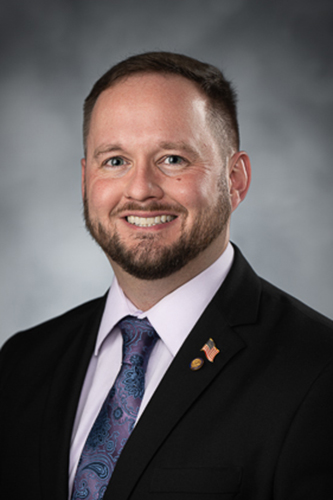
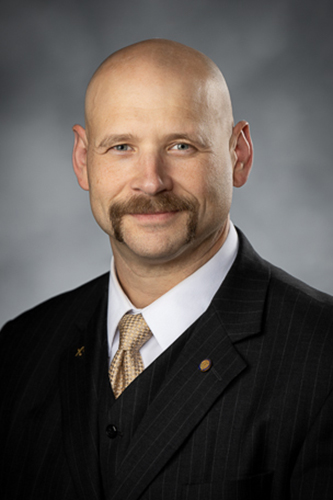
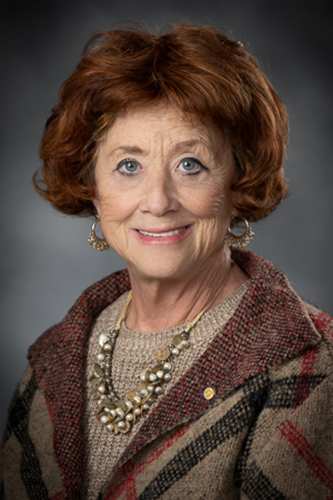
Elliott Pritt
Elliott Pritt House · District 50
R
Strong +
80% 24
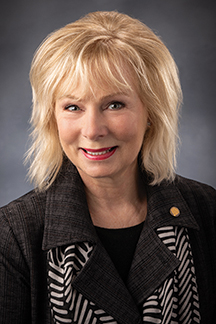
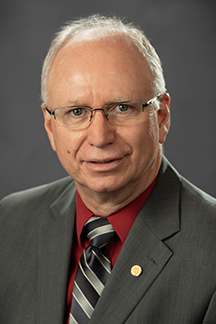
Margitta Mazzocchi
Margitta Mazzocchi House · District 31
R
Support
71% 27
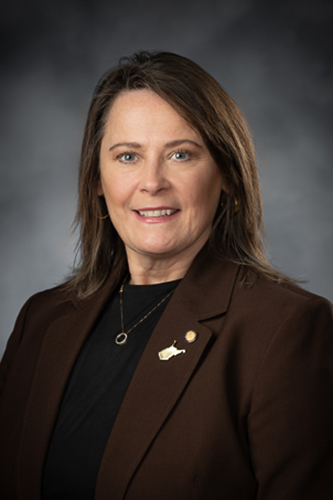
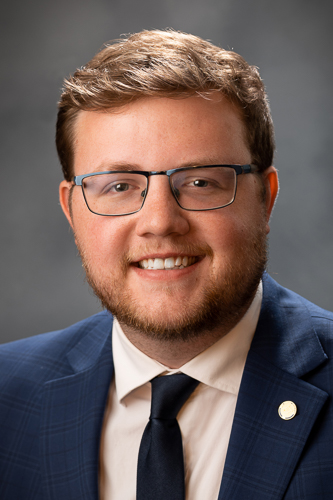
Tresa Howell
Tresa Howell House · District 52
R
Support
67% 29
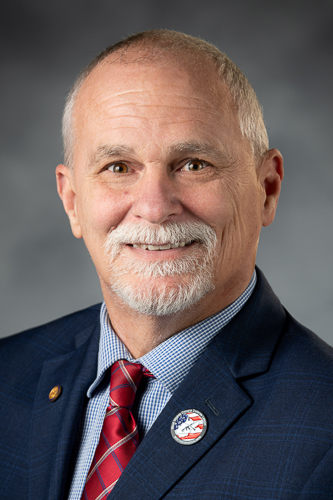
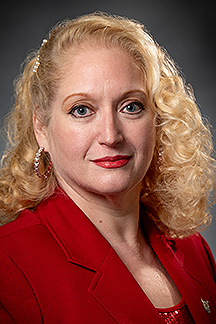
Chuck Horst
Chuck Horst House · District 95
R
Support
67% 29
Corby Dillon
Corby Dillon House · District 29
R
Support
67% 29
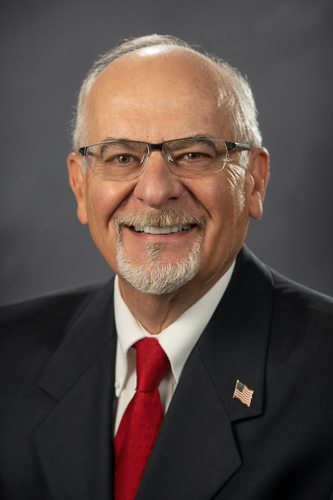
Guy Ward
Guy Ward House · District 74
R
Strong −
12% 28
Jarred Cannon
Jarred Cannon House · District 21
R
Strong −
14% 24
Betsy Kelly
Betsy Kelly House · District 9
R
Strong −
14% 21
Mickey Petitto
Mickey Petitto House · District 70
R
Strong −
17% 20
Phil Mallow
Phil Mallow House · District 75
R
Oppose
22% 29
Showing 201–210 of 259 bills

All criminal justice bills

in committee · West Virginia · House of Delegates Jan 19, 2026

HB 4358: Establishing pilot program for Public Guardian Ad Litem Services

HB 4358 establishes a three-year pilot program to provide legal representation for children in juvenile abuse and neglect cases through "Public Guardian ad Litem Services" in up to three West Virginia court circuits. The bill creates nonprofit corporations (not government agencies) to employ full-time staff attorneys who represent eligible minors - children unable to afford legal counsel in cases under §49-4-101 of the West Virginia Code. Key mechanisms include requiring these corporations to use Public Defender Service attorneys when conflicts arise, mandating oversight by a Guardian ad Litem Commission, and setting strict rules for funding, recordkeeping, and annual audits. The pilot aims to test an alternative model for delivering legal services to vulnerable children in specific court systems, with no expansion beyond the three designated circuits.
in committee · West Virginia · Senate Jan 14, 2026

SB 36: Making syringe exchange services programs unlawful

Senate Bill 36 makes syringe exchange programs illegal in West Virginia, prohibiting any program where individuals can access sterile needles without a prescription. It requires all existing syringe exchange programs to cease operations by the bill's effective date, with a 120-day transition period allowed only for referrals to treatment - no syringes may be exchanged during this time. Harm reduction services like overdose prevention education, wound care, and opioid antagonist distribution remain permitted, provided they do not include syringe exchanges. Violators face civil penalties of up to $2,500 per day, and the state health office can seek court orders to enforce the law.
in committee · West Virginia · Senate Jan 14, 2026

SB 135: Clarifying conditions for pretrial release and maximum bail amount for certain defendants

This bill clarifies pretrial release rules for misdemeanor defendants in West Virginia. It requires release on personal recognizance (without bail) for most misdemeanors unless charges involve violence, harm to minors, deadly weapons, specific drug offenses, sexual abuse, serious traffic violations, or property crimes exceeding $250 in value. The bill prohibits cash-only or property-only bail, mandates that personal recognizance bonds include an unsecured monetary amount, and bars releasing felony defendants on their own recognizance at initial appearance. Judicial officers must set the least restrictive conditions necessary to ensure court appearance while protecting public safety.
Sub-Topics Courts
in committee · West Virginia · House of Delegates Jan 21, 2026

HB 4714: To create the West Virginia Inmate Litter Cleanup and Rehabilitation Act.

HB 4714 creates a program allowing county jails and Regional Jail Authorities to involve inmates in voluntary litter cleanup on public lands like highways, roads, and parks. Inmates participating earn sentence reduction credits, with strict safety requirements including proper equipment, supervision ratios, and compliance with occupational regulations. The program is funded through the Litter Control Fund, and proceeds from recyclable materials collected during cleanups must be returned to that fund. The bill also mandates educational materials for schools about litter reduction and requires local governments to develop recycling plans for public facilities.
in committee · West Virginia · Senate Jan 30, 2026

SB 679: Increasing protection for minors when victims of human trafficking

SB 679 prevents minors from being prosecuted for prostitution if a court determines they are victims of human trafficking under West Virginia law. The bill amends existing statutes to explicitly state that no minor shall face criminal charges for prostitution offenses when the court finds they are victims of trafficking. This directly affects minors exploited in commercial sexual activity, ensuring they are treated as victims rather than criminals. The key mechanism requires a court to determine victim status before immunity applies, removing a barrier to support services and legal protection. The bill focuses on clarifying legal protections for vulnerable minors without changing penalties for traffickers.
in committee · West Virginia · House of Delegates Jan 14, 2026

HB 4190: Relating to the restoration of civil rights

HB 4190 would automatically restore the right to possess firearms and serve on a jury for eligible nonviolent felons in West Virginia upon completion of their sentences, without requiring a court petition. The bill clarifies that petitions for firearm rights may include restoration of jury service rights and specifies who can file such petitions (e.g., individuals with certain nonviolent felony convictions). It also requires the Attorney General to publish public guidance on the process. This change directly affects individuals with prior nonviolent felony convictions who have met the eligibility criteria for automatic restoration.
in committee · West Virginia · Senate Jan 20, 2026

SB 530: Relating to Child Abuse and Neglect Investigations Unit

SB 530 expands West Virginia's Child Abuse and Neglect Investigations Unit within the State Police by requiring at least one retired State Police officer from each of the 21 police districts to join the unit, increasing its size to 21 members. The bill mandates that the unit maintain an office in every State Police district (located within local Human Services offices), coordinate closely with Child Protective Services, and track statewide data on child abuse/neglect cases without identifying individual cases. It also establishes rules for rehiring retired officers (requiring specific training but no pension accrual) and requires an annual report to the legislature on unit activities and case data. The unit will focus on investigating and prosecuting child abuse cases while supporting local law enforcement and social services.
in committee · West Virginia · House of Delegates Jan 14, 2026

HB 4041: Making it a mandatory 25 year sentence for an assault on any law enforcement or animal

HB 4041 proposes amending West Virginia law to establish mandatory minimum sentences for assaults on specific professionals acting in their official capacity. The bill would require a minimum 3-year prison term (up to 15 years) for malicious assaults on law enforcement officers, health care workers, emergency personnel, utility workers, or correctional employees, and a minimum 2-year term (up to 5 years) for unlawful assaults on these same groups. The bill's title incorrectly references "animal" and a 25-year sentence; the actual proposed penalties are 3-15 years for malicious assault and 2-5 years for unlawful assault. This is a proposed amendment (introduced January 14, 2026, to the Judiciary Committee) to West Virginia Code §61-2-10b, not yet enacted law.
in committee · West Virginia · House of Delegates Jan 15, 2026

HB 4365: Relating to accessories to a crime

HB 4365 modifies West Virginia's accessory-to-crime laws. It removes the legal protection previously granted to domestic partners of felony offenders, meaning they can now be charged as accessories after the fact (unlike spouses or family members). The bill also eliminates the prior restriction preventing servants from being considered accessories. Additionally, it specifies that close relatives (siblings, parents, children, or grandparents) who act as accessories to a felony commit a misdemeanor, not a felony, and clarifies that accessories to misdemeanors face misdemeanor penalties. These changes directly affect domestic partners, servants, and close family members who assist felony or misdemeanor offenders.
in committee · West Virginia · Senate Jan 14, 2026

SB 183: Removing certain entities from list of exemptions from criminal liability relating to distribution and display of obscene matter to minor

SB 183 amends West Virginia law to remove bona fide schools, public libraries, and museums from exemptions that previously protected them from criminal prosecution when distributing or displaying obscene material to minors. Under the current law, these entities were exempt if material was part of curriculum (schools), displayed with a parent present (libraries/museums), or met other specific conditions. The bill eliminates these specific exemptions, meaning schools, libraries, and museums would no longer automatically qualify for protection under this provision. This change would directly affect those institutions by subjecting them to the same criminal liability as other entities distributing obscene material to minors, unless they meet other existing exemptions (e.g., reasonable age verification). The bill is currently in the Senate Judiciary Committee after being introduced on January 14, 2026.
Sub-Topics Curriculum
Showing 201 to 210 of 259 bills
Previous 1 20 21 22 26 Next