

Issue · Criminal Justice
Criminal Justice
Every criminal justice bill, vote, and legislator stance in West Virginia, automatically classified by Maddy, our AI policy reader.
Total bills
173
2026 Regular Session
Top supporter
Elliott Pritt
80% support rate
Top opponent
Guy Ward
12% support rate
Ranked legislators
10
5 support · 5 oppose
Key legislators
Who's moving criminal justice in West Virginia
| Legislator | Party | Stance | Support rate | Votes |
|---|---|---|---|---|
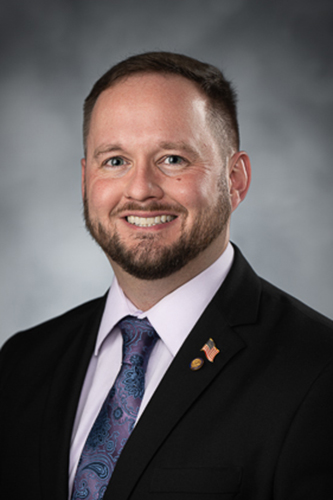
Elliott Pritt
House · District 50
|
R |
Strong +
|
80% | 24 |

Margitta Mazzocchi
House · District 31
|
R |
Support
|
71% | 27 |
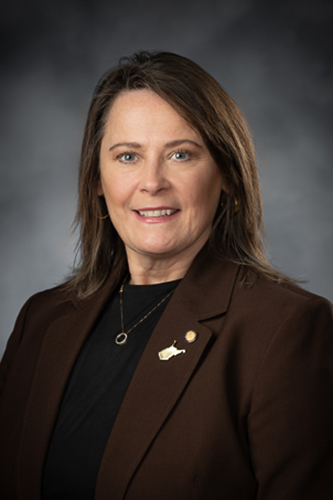
Tresa Howell
House · District 52
|
R |
Support
|
67% | 29 |
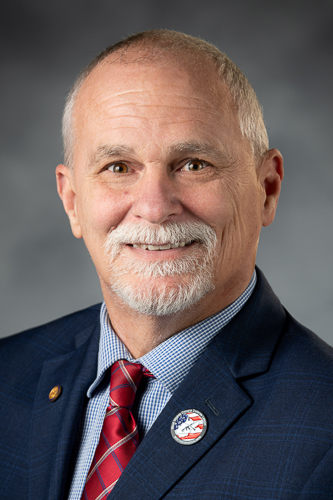
Chuck Horst
House · District 95
|
R |
Support
|
67% | 29 |
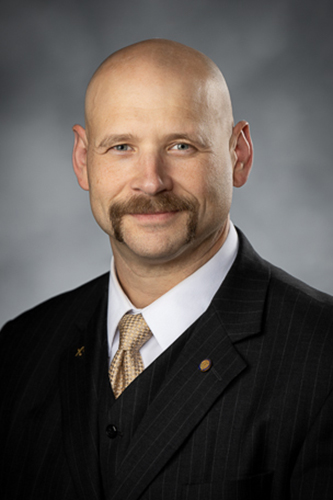
Corby Dillon
House · District 29
|
R |
Support
|
67% | 29 |

Guy Ward
House · District 74
|
R |
Strong −
|
12% | 28 |

Jarred Cannon
House · District 21
|
R |
Strong −
|
14% | 24 |

Betsy Kelly
House · District 9
|
R |
Strong −
|
14% | 21 |

Mickey Petitto
House · District 70
|
R |
Strong −
|
17% | 20 |
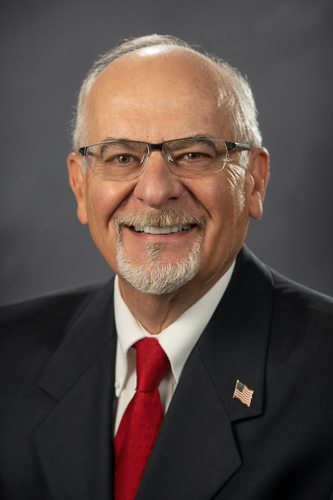
Phil Mallow
House · District 75
|
R |
Oppose
|
22% | 29 |
Showing 111–120 of 173
bills
All criminal justice bills
SB 396: Creating WV Job training and Placement Act
Topics
✓ Budget & TaxesSupports Budget & TaxesBill redirects sales tax revenue to fund job training programs via tax retention, aligning with funding essential public services through fiscal policy.
✓ Criminal JusticeSupports Criminal JusticeBill explicitly targets individuals with criminal records for job training services, aiming to reduce recidivism through employment opportunities as part of rehabilitation.
✓ HousingSupports HousingBill funds job training for homeless individuals, directly addressing homelessness under housing topic indicators.
✓ Labor & EmploymentSupports Labor & EmploymentBill funds job training/placement for barrier groups (disabilities, criminal records, etc.), directly advancing employment standards and worker opportunities.
HB 4923: Protecting Due Process in Firearm Confiscation Related to Protective Orders
HB 4053: To establish the blue envelope program.
Topics
✓ Criminal JusticeSupports Criminal JusticePromotes safer law enforcement interactions for vulnerable populations during traffic stops, reducing potential escalation - aligns with criminal justice reform goals of improving police accountability and communication.
✓ TransportationSupports TransportationBill enhances transportation safety by improving law enforcement communication during traffic stops for drivers with disabilities, aligning with vehicle regulation safety indicators.
SB 231: Relating to value-based payment requirements
Topics
✓ Criminal JusticeSupports Criminal JusticeBill requires tracking 'avoidance of criminal justice involvement' as a key outcome metric, directly aligning with recidivism reduction goals in criminal justice reform.
✓ HealthcareSupports HealthcareShifts Medicaid addiction care to value-based payments focused on recovery outcomes, improving patient care quality and aligning with mental health service support.
HB 4819: Relating to use of criminal records as disqualification from authorization to practice a particular profession
Topics
✓ Criminal JusticeSupports Criminal JusticeBill reduces licensing barriers for individuals with past convictions by requiring rehabilitation consideration, aligning with criminal justice reform goals to lower recidivism and support reentry.
✓ HealthcareSupports HealthcareBill removes barriers for healthcare professionals with past convictions, expanding workforce access and improving patient access to services by reducing licensing restrictions.
✓ Labor & EmploymentSupports Labor & EmploymentBill removes unnecessary barriers to professional licensing for individuals with criminal records, expanding employment opportunities and promoting fair hiring practices per employment standards.
HB 4890: A 10% raise to non-uniformed corrections workers
Topics
✓ Budget & TaxesSupports Budget & TaxesFunds correctional staff pay increases via general revenue, strengthening public service staffing and retention. Directly advances state budget allocation for essential government operations.
✓ Criminal JusticeSupports Criminal JusticeFunds correctional staff salaries to address staffing challenges, supporting operational stability in corrections, aligning with funding indicators for criminal justice support.
✓ Labor & EmploymentSupports Labor & EmploymentDirectly increases wages for correctional workers by 10% to address staffing challenges, advancing worker compensation standards per bill summary.
HB 4552: Relating to the law-enforcement powers of correctional officers
Sub-Topics
Law Enforcement
SB 454: Stop Non-Consensual Distribution of Intimate Deep Fake Media Act
Topics
✓ Criminal JusticeSupports Criminal JusticeCreates new criminal offense for non-consensual deepfake distribution, protecting victims from harassment and reputation harm under criminal law
✓ TechnologySupports TechnologyCriminalizes non-consensual deepfake distribution, protecting privacy from technology-enabled harassment and reputational harm.