Issue · Criminal Justice

Criminal Justice

Every criminal justice bill, vote, and legislator stance in West Virginia, automatically classified by Maddy, our AI policy reader.

Total bills
259
2026 Regular Session
Top supporter
Elliott Pritt
80% support rate
Top opponent
Guy Ward
12% support rate
Ranked legislators
10
5 support · 5 oppose
Key legislators

Who's moving criminal justice in West Virginia

Legislators moving criminal justice in West Virginia
Legislator Party Stance Support rate Votes
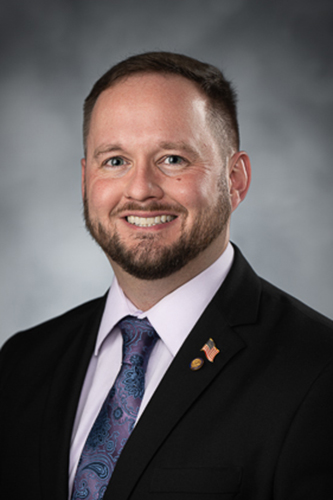
Elliott Pritt
Elliott Pritt House · District 50
R
Strong +
80% 24
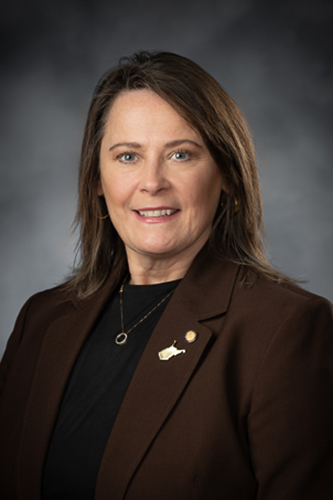
Margitta Mazzocchi
Margitta Mazzocchi House · District 31
R
Support
71% 27
Tresa Howell
Tresa Howell House · District 52
R
Support
67% 29
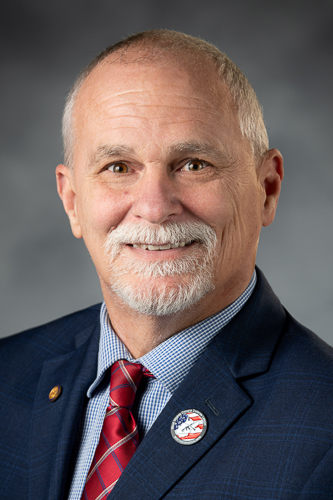
Chuck Horst
Chuck Horst House · District 95
R
Support
67% 29
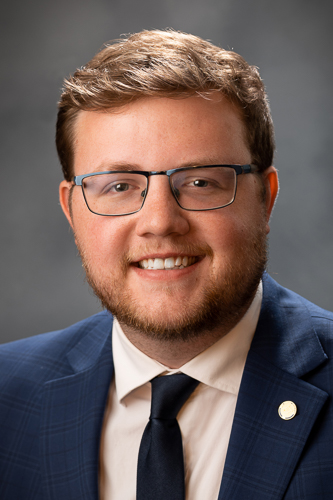
Corby Dillon
Corby Dillon House · District 29
R
Support
67% 29
Guy Ward
Guy Ward House · District 74
R
Strong −
12% 28
Jarred Cannon
Jarred Cannon House · District 21
R
Strong −
14% 24
Betsy Kelly
Betsy Kelly House · District 9
R
Strong −
14% 21
Mickey Petitto
Mickey Petitto House · District 70
R
Strong −
17% 20
Phil Mallow
Phil Mallow House · District 75
R
Oppose
22% 29
Showing 111–120 of 259 bills

All criminal justice bills

in committee · West Virginia · Senate Jan 14, 2026

SB 58: Adding grievance and appellate procedures for individuals participating in DMV safety and treatment program

SB 58 adds formal grievance and appeal processes for individuals participating in West Virginia's DMV Safety and Treatment Program, which helps drivers with license suspensions related to DUI offenses. It prohibits the DMV from requiring minimum driving time, mileage, or frequency in the Alcohol and Drug Test and Lock Program, and stops removing participants for failing these requirements. The bill also mandates that the DMV reinstate former program participants who meet specific criteria - without charging them fees - after they complete required treatment. This directly affects drivers whose licenses were suspended for alcohol/drug-related offenses and who are enrolled in the state's treatment program.
vetoed · West Virginia · House of Delegates Apr 2, 2026

HB 4393: Requiring the development and implementation of statewide prevention plan

HB 4393 requires West Virginia's Department of Human Services (DoHS) to create and implement a statewide prevention plan by February 1, 2027. The plan must provide trauma-informed, evidence-based services to children under 18 and their families - including youth in foster care, pregnant and parenting youth, those aging out of foster care (up to age 21), post-adoption youth, and families with economic or safety needs. DoHS must ensure providers offer accessible services (combining telehealth and physical locations), track outcomes, and report annually on service usage, costs, and results by county. The plan also aims to qualify for federal matching funds under the Family First Prevention Services Act by 2028.
Sub-Topics Juvenile Justice
in committee · West Virginia · House of Delegates Jan 15, 2026

HB 4371: Relating to legalizing cannabis production, sales and adult consumption

HB 4371 would legalize cannabis possession of up to one ounce for adults aged 21 and older and allow for regulated production, sales, and consumption in counties that approve it through local referendums. The bill establishes a licensing system for cannabis businesses through the Bureau for Public Health and requires counties to hold votes before permitting sales. It creates a new excise tax on cannabis products, directs tax revenue to a dedicated fund for public purposes, and preserves existing laws prohibiting cannabis use while driving under the influence or for minors. The legislation explicitly states it does not alter West Virginia’s current medical cannabis program.
in committee · West Virginia · House of Delegates Feb 3, 2026

HB 4775: Relating to addressing School Discipline in Public Schools

HB 4775 requires the West Virginia Department of Education to analyze statewide school discipline data - including breakdowns by race, gender, and disability - and develop a statewide program to reduce disciplinary actions against K-12 students. It mandates county school boards to implement this program, aiming to improve disciplinary outcomes. The bill also requires the Department to submit biennial reports to the Legislative Oversight Commission on Education Accountability, provide annual updates, and publish discipline data on a public dashboard for transparency. This directly affects all public schools and county boards across West Virginia through new data collection, program implementation, and reporting obligations.
in committee · West Virginia · House of Delegates Jan 21, 2026

HB 4664: Relating to increasing compensation for panel attorneys.

HB 4664 increases compensation rates for panel attorneys who represent eligible clients in public defense cases in West Virginia. It directly affects these attorneys and the Public Defender Services agency that processes their payments. Key provisions require Public Defender Services to annually report to oversight bodies on legal services provided by panel attorneys, while also clarifying voucher submission, review, and dispute resolution processes for compensation claims. The bill aims to improve payment accuracy and transparency without altering the core structure of public defense funding.
in committee · West Virginia · House of Delegates Jan 14, 2026

HB 4114: Relating to oversight of West Virginia Fusion Center

HB 4114 replaces West Virginia's current Fusion Center oversight committee with a new one effective July 1, 2026. The new committee, composed of balanced legislative members from both chambers (with party limits), will oversee the Fusion Center's handling of sensitive information, including its collection, storage, and destruction. The bill mandates an annual Inspector General audit of the center and grants the committee authority to inspect facilities, require employee testimony, and address audit findings that could lead to disciplinary action. This directly affects the West Virginia Fusion Center, its employees, and the legislative committee members responsible for oversight.
passed · West Virginia · House of Delegates Mar 11, 2026

HB 4656: Relating to chronic absenteeism

HB 4656 modifies West Virginia's school attendance laws by ending the compulsory attendance requirement at age 18 (previously 17), meaning 18-year-olds no longer face penalties for chronic absenteeism. It replaces "truancy" with "chronic absenteeism," removes criminal penalties for 18-year-olds, and requires schools to notify them directly about unexcused absences - same as parents. The bill establishes new referral pathways to human services for wrap-around support, shifts handling of chronic absenteeism to juvenile welfare (not criminal) proceedings, and defines key terms like "student support specialist." It directly affects students aged 17-18, school staff, and county human services departments.
Sub-Topics Juvenile Justice
in committee · West Virginia · House of Delegates Jan 29, 2026

HB 4974: Relating generally to persons porhibited from possessing firearms.

HB 4974 amends West Virginia law to clarify and expand the categories of people prohibited from legally owning or carrying firearms. It directly affects individuals with certain felony convictions (especially violent or drug-related offenses), those found mentally incompetent or involuntarily committed, unlawful drug users, people subject to specific domestic violence protective orders (requiring findings of credible threat or explicit force prohibitions), and others with disqualifying legal histories. The bill specifies penalties: misdemeanor fines/jail time for first-time violations of prohibitions, and felony charges with longer prison terms for repeat offenses or violations by those prohibited under stricter categories. It also maintains the process for eligible individuals to petition courts to restore firearm rights after meeting strict criteria.
vetoed · West Virginia · House of Delegates Apr 2, 2026

HB 4893: Increase the penalties for contempt of court in a magistrate court

HB 4893 increases penalties for contempt of court in West Virginia magistrate courts. It raises maximum fines for contempt: from $50 to $200 for a first offense, $100 to $500 for a second offense, and $100 to $1,000 (or up to 10 days in jail) for a third or subsequent offense related to the same matter. The bill applies directly to individuals disrupting court proceedings, including witnesses, jurors, parties, or officers who commit contempt. These changes take effect for offenses occurring after the bill's passage, with appeals still allowed to circuit court as in criminal cases.
in committee · West Virginia · House of Delegates Jan 16, 2026

HB 4429: Create a prison work pilot program

HB 4429 creates a pilot program for a "work/incarceration prison" in West Virginia, targeting non-violent offenders sentenced to two years or less who have not been convicted of sex-related offenses. Eligible offenders can work at the facility and earn a 20% reduction in their sentence for good conduct, but serious rule violations result in transfer to a standard facility with an additional year added to their sentence. The bill allows only one county to establish the pilot (with a $500,000 suggested initial appropriation), requires the program to be self-sustaining through offender work, and mandates an annual evaluation by the Division of Corrections to assess effectiveness and potential expansion. The program does not apply to violent offenders or those with longer sentences.
Sub-Topics Corrections
Showing 111 to 120 of 259 bills
Previous 1 11 12 13 26 Next