

Maddy summaryThis bill requires Washington's public colleges and universities to ensure students have access to medication abortion by the 2026-27 academic year. It mandates that student health centers offer medication abortion services (via in-person care, telehealth, or referrals) and directs institutions without health centers to provide referrals to qualified providers, telehealth support, and campus accommodations. Schools must also maintain clear online resources about reproductive health services, including appointment scheduling, academic accommodations for pregnancy-related needs, and direct links to state health resources. The law directly affects over 196,000 pregnancy-capable students at Washington's public institutions, aiming to reduce barriers like travel distances (up to 78 miles) and wait times for abortion care.
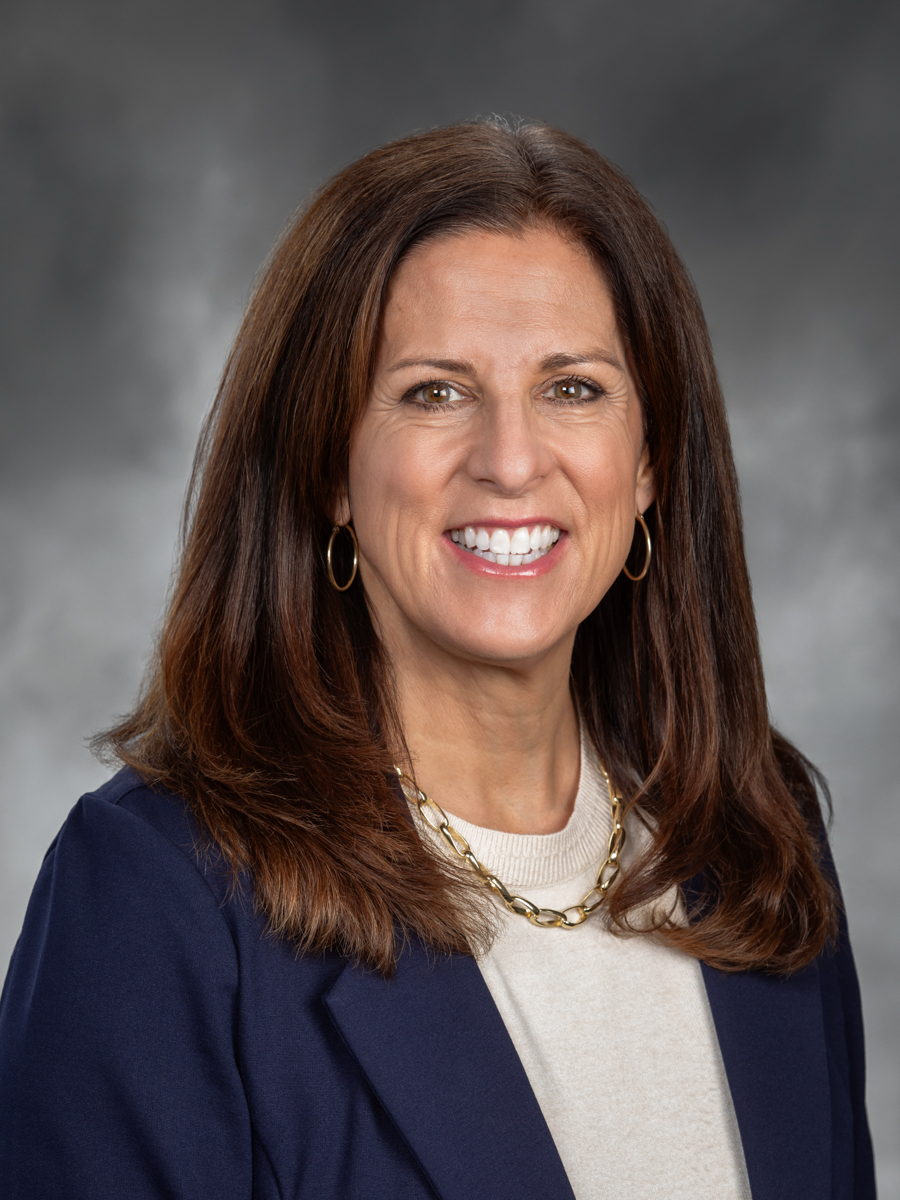
Sen. Deb Krishnadasan
Sponsored bills
Maddy summarySB 5115 creates the Washington Dream Act Service Incentive Program, providing financial aid grants to eligible students who complete community service. It directly affects Washington state residents who cannot access federal financial aid due to immigration status, require demonstrated financial need, and enroll in or plan to attend an institution of higher education. Students earn grants by completing up to 19 hours weekly of non-political, non-religious community service with approved organizations (like nonprofits, government agencies, or approved businesses), with grant amounts calculated based on service hours and the adjusted minimum wage. The program requires institutions to verify service hours and administer grants at the start of each term, while prioritizing students not eligible for state work-study programs. The program requires specific legislative funding by June 30, 2025, to take effect.
Maddy summarySB 5130 eliminates all fees for child care licensing in Washington State, directly affecting child care providers who previously paid annual licensing costs. The bill amends state law to remove the requirement that the department charge fees for issuing or renewing licenses, replacing the prior cost-based fee structure with a fee-free system. Key provisions include removing fee-related language from licensing statutes and requiring providers to instead submit annual declarations of intent to operate and compliance with rules. This change simplifies the licensing process by removing financial barriers for providers while maintaining oversight through required declarations and background checks.
Maddy summarySB 5397 limits the percentage of courses taught by non-tenure-track faculty at Washington state community and technical colleges. Starting July 1, 2030, these institutions must ensure no more than 45% of annual courses are taught by such faculty, requiring them to adopt policies by July 2026. Colleges must also submit annual reports starting in 2028 detailing their progress toward this 45% cap, including current course percentages. This bill directly affects all Washington community and technical colleges and their faculty hiring practices.
Maddy summarySB 5063 creates a tax credit program for Washington state rail infrastructure improvements. It provides a 50% tax credit against state taxes for eligible rail operators (including class II/III railroads, port/city-owned rail, and industrial spur owners) on qualifying maintenance, new construction, and modernization costs. Credits are capped at $500,000 per company annually and $8 million statewide, with unused credits carryable for up to five years or transferable to other taxpayers. The bill directly affects smaller rail carriers and industrial facilities by reducing costs for upgrading tracks, bridges, and safety infrastructure to support modern freight needs.
Maddy summarySB 5307 eliminates Washington's cap on students eligible for state special education funding, ensuring all public school districts receive full state support without needing local funds to cover costs. It increases per-student funding multipliers based on inclusion rates: districts serving students in general education settings 80%+ of the day receive a higher multiplier (1.5289) versus those with lower inclusion (1.447). The bill also requires the state to monitor inclusion rates, reduce disproportionate identification of students with disabilities, and provide technical assistance to school districts. This directly affects all public school districts in Washington serving students with special education needs.
Maddy summarySB 5795 reduces Washington's state sales and use tax rate from 6.5% to 6% for most retail purchases, effective January 1, 2027. The bill directly affects all Washington residents who make retail purchases, with the largest benefit going to low- and middle-income households who pay a higher percentage of their income in sales tax under the current system. This change modifies RCW 82.08.020 to lower the tax rate while maintaining existing exemptions for items like groceries and medical supplies.
Maddy summarySB 5003 creates a competitive grant program under Washington's Superintendent of Public Instruction to improve physical security at K-12 public schools. Public school districts can apply for grants covering eligible projects like entrance security systems, fencing, perimeter barriers, and infrastructure redesigns to streamline access. Grants are capped at $2 million per district over two years, with no more than 3% of funds allowed for administrative costs. The program requires annual progress reports to the legislature detailing applications, funding requests, and approved projects starting December 2025.
Maddy summarySB 5111 clarifies that recording surcharges paid by clients to counties for document recording (e.g., property deeds) are not subject to Washington's sales, use, or business taxes. It directly affects title and escrow businesses, which were previously assessed back taxes for failing to collect these taxes on surcharges - creating financial hardship, especially for small businesses. The bill amends tax law to explicitly exclude such surcharges from taxable transactions, aligning with a 2024 court ruling that classified the surcharge as an excise tax (not a fee). This change prevents future tax assessments on these specific charges, providing clear guidance for businesses.
Maddy summaryThis bill proposes adding a new constitutional article (Article XXXIII) to Washington State's constitution, directly affecting all residents by establishing legal protections for reproductive freedom and gender-affirming care. It would prohibit the state from denying or interfering with an individual's rights to choose abortion, contraception, assisted reproductive technology, or gender-affirming care, and from discriminating based on pregnancy outcomes. The key mechanism requires voters to approve this amendment in the next general election, as the bill mandates submitting it for ratification. If approved, these protections would become part of the state constitution, overriding conflicting laws. The amendment explicitly states it does not limit existing rights to liberty, privacy, or equal protection under the law.