

Maddy summarySB 5346 requires Washington public school districts to adopt policies restricting student mobile device use during instructional hours by the 2026-27 school year. It directs the state superintendent to report on existing policies and recommend strategies (like time limits or secure storage) by December 2025, leading to a model policy developed by school directors. School districts must align their local policies with this model and share them annually with students and families. The bill excludes school-issued devices and defines "instructional hours" per existing law, focusing on reducing distractions and supporting mental health without specifying direct device bans.

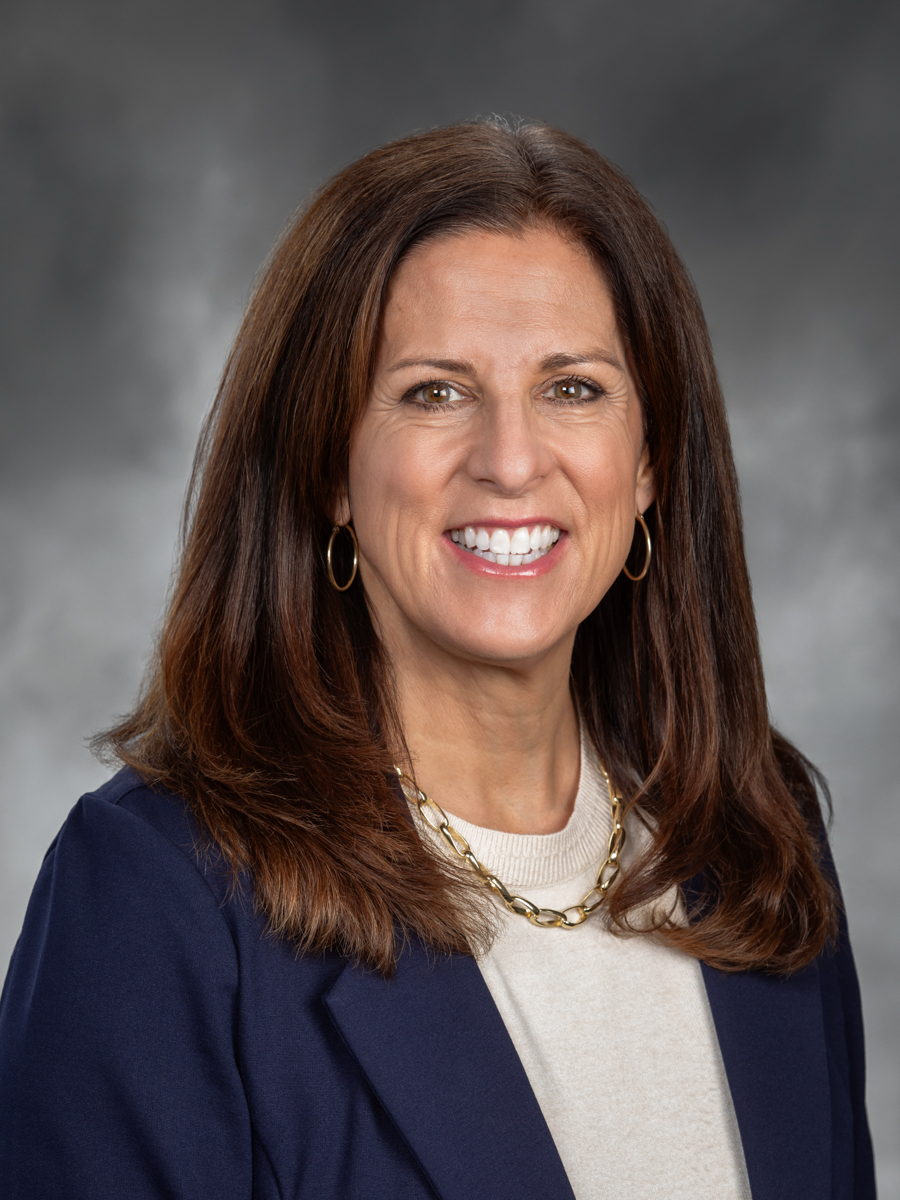
Sen. Deb Krishnadasan
Sponsored bills
Maddy summarySB 6162 expands Washington’s senior property tax relief program to help older residents and veterans with lower incomes. It directly affects seniors aged 61+ (or disabled retirees), veterans with 40%+ VA disability ratings, and surviving spouses aged 57+ who meet income thresholds. The bill provides tiered tax relief: full exemption from all property taxes for those below income threshold 3, and partial exemptions (covering up to 80% of home value) for those between thresholds 1 and 2. Key changes include simplifying eligibility rules, allowing income adjustments for events like spouse death or Social Security COLAs, and locking in lower property valuations for qualifying homeowners.
Maddy summarySB 5845 requires health insurance carriers in Washington to pay or deny complete claims from healthcare providers within 30 days of receiving them. If a claim is incomplete, carriers must send a written notice within 14 days specifying missing information or denial reasons. Carriers that miss deadlines must pay interest (1% for first 60 days, 1.5% thereafter) on unpaid claims, which cannot be applied to patient deductibles. The law applies to all health plans filed or renewed after January 1, 2027, and includes penalties for claims unresolved over 90 days. It directly affects insurance companies and healthcare providers by clarifying payment timelines and adding financial consequences for delays.
Maddy summarySB 5272 strengthens school safety by increasing penalties for threatening or using force/violence against school staff, students, or athletic officials (like referees) during school activities. It requires schools to post clear signage at entrances and athletic venues explaining these penalties, including fines up to $1,000 or up to 364 days in jail for adults, plus 12-18 months exclusion from school or events. For students, it mandates immediate removal during incidents and up to a 12-month exclusion from athletic activities. The bill directly affects all public/private school staff, students, and volunteers in athletic settings by making intimidation or violence a serious misdemeanor with specific, enforced consequences.
Maddy summarySB 5825 authorizes the Washington State Leadership Board to accept gifts, grants, and endowments from public or private sources to support its existing programs. The board, which administers initiatives like Washington World Fellows (a college readiness fellowship) and Boundless Washington (an outdoor leadership program for youth with disabilities), can now use these funds to expand its mission of fostering youth leadership and civic engagement. The bill explicitly states that private donations must supplement, not replace, state appropriations and must be used for programs not previously funded by the legislature. It requires the board to publicly report all funds received and expenditures on its website.
Maddy summarySB 5552 aims to create a new category of building codes specifically for "kit homes" to increase affordable housing options. The bill defines kit homes as residential structures 800 square feet or smaller, built from prefabricated walls, floors, and roofs assembled on-site. It directs the State Building Code Council to establish these specific building codes for kit homes by December 31, 2025. This initiative is intended to provide more affordable small homes for homebuyers of modest means.
Maddy summaryThis Senate Resolution honors Senator Matt Boehnke for his distinguished service to the people of Washington state and the 8th Legislative District. The resolution formally recognizes his career progression from the Kennewick City Council to the State House and Senate, highlighting his work on technology innovation, workforce development, and energy policy. It also acknowledges his military service as a lieutenant colonel in the Army aviation branch and his current role as a cybersecurity professor at Columbia Basin College. The Senate expresses gratitude for his leadership and commits to sending a copy of the resolution to Senator Boehnke and his family as a token of appreciation.
Maddy summarySB 6351 would exempt specific educational and childcare services from Washington state sales tax. It targets schools, before-and-after school care programs, and arts/cultural classes for children and students. The bill amends tax law to remove sales tax on purchases for these services, directly increasing funding available to qualifying programs. This policy change provides immediate fiscal relief to schools and childcare providers by reducing their operational costs.
Maddy summarySB 6006 would exempt food banks from paying Washington's retail sales tax on qualifying services they purchase to operate their programs. The bill amends state tax law (RCW 82.04.050) to create a specific exemption for food banks, removing the tax burden on services like food distribution, storage, or administrative support. This directly reduces operational costs for food banks statewide, allowing them to redirect resources toward serving communities. The change applies only to services directly used in food bank operations, not general retail purchases.
Maddy summarySB 5992 creates a state-funded account to support youth development programs for Washington youth aged 5-24, prioritizing underserved communities. The fund, financed by public and private contributions, will provide grants to nonprofits, tribal organizations, parks departments, and community partners to offer after-school programs, mentorship, career navigation, and culturally relevant activities. It requires equitable geographic distribution of funds and prioritizes youth facing systemic barriers, including those in foster care, experiencing homelessness, or from low-income backgrounds. Grants must be reported annually on program impacts, with tribal consultation required for projects affecting Native communities.