

Maddy summaryHB 2090 directs Washington’s Department of Commerce to develop a strategic framework for integrating advanced nuclear energy into the state’s clean energy goals. The plan, due by December 2026, would assess how nuclear power could help meet Washington’s targets for 100% clean electricity by 2045, including evaluating siting, permitting, financing, and workforce needs - particularly at former coal sites or the Hanford area. It would examine opportunities for state collaboration with other regions and recommend policies like expediting permits or financial incentives to support nuclear development. The bill does not fund nuclear projects but requires the state to explore nuclear as a potential pathway to replace current fossil fuel generation and achieve decarbonization goals more efficiently.
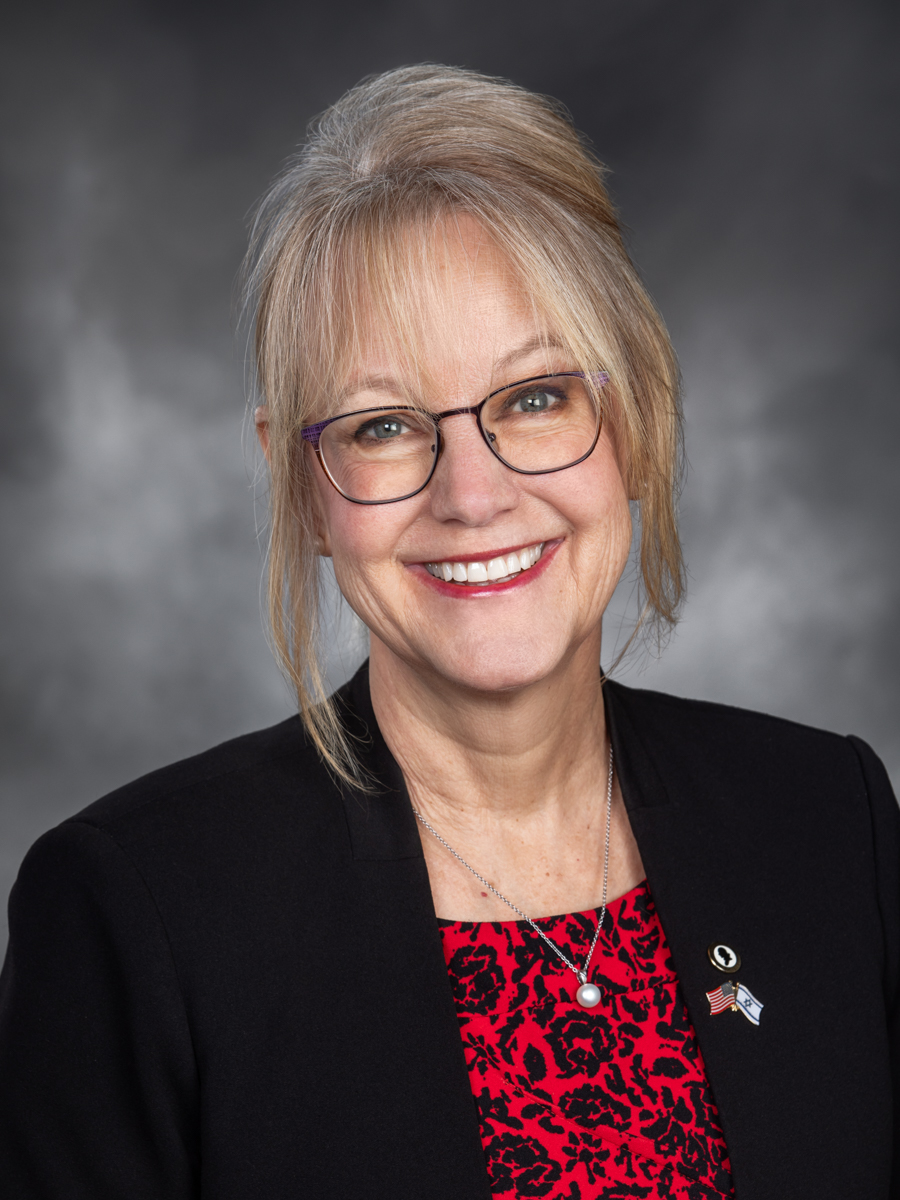
Rep. Mary Dye
Sponsored bills
Maddy summaryHB 2119 would move Washington state to permanent standard time, eliminating the biannual clock changes between standard time and daylight saving time (DST). The bill directly affects all Washington residents, businesses, schools, and government agencies by removing the need to adjust schedules twice yearly. Key provisions include amending state law to reject DST observance permanently, repealing existing DST-related statutes, and citing health research showing time changes disrupt sleep cycles and increase safety risks. The legislation aims to reduce health impacts, prevent workplace injuries, and cut administrative costs for organizations managing schedule changes.
Maddy summaryHB 2153 prohibits homebuyers from receiving more than one state-funded down payment assistance loan or grant from Washington's housing programs. It directly affects first-time homebuyers who might apply for multiple assistance programs, ensuring they can only accept one offer. The bill amends state law to state that applicants applying for multiple programs (or multiple offers from one program) are eligible for only a single loan or grant. This change aims to fairly distribute limited public funds to more qualified homebuyers instead of concentrating benefits on a single buyer.
Maddy summaryHB 2126 would exempt school districts in Washington state from paying taxes on fuel used in school buses. The bill amends state tax codes to specifically add school buses (operated per education laws) to the list of exempt fuel uses, directly affecting public school districts. This change would reduce operating costs for schools by eliminating a tax on fuel for all school bus operations within the state.
Maddy summaryHB 2167 would automatically reduce Washington’s state sales tax rate if the legislature ever passes an income tax or tax on individual earnings. Specifically, the bill requires the Department of Revenue to lower the sales tax rate by an amount matching the projected revenue increase from such a new tax. This measure directly affects all Washington residents and businesses that pay sales tax, aiming to offset potential new tax burdens. The bill is conditional - it only triggers if a future income tax is enacted - and does not change current tax rates.
Maddy summaryHB 2166 amends Washington State law to grant state employees two unpaid religious holidays per year for observance of faith-based practices. It specifically adds a provision allowing employees to select two days annually for religious observance (e.g., Hanukkah, Eid al-Fitr, Passover) after consulting with employers, unless the absence would cause undue hardship. The bill does not create new paid holidays but expands existing unpaid holiday options for state workers, including those in schools and public institutions. It reaffirms existing state legal holidays while listing additional recognized days (like Hanukkah and Eid) that are not legally designated as paid holidays.
Maddy summaryHB 2130 repeals specific tax provisions from Senate Bill 5814 (2025 session) that imposed new taxes. It removes sections of Chapter 422, Laws of 2025 (including codified sections 101, 201, 301 and uncodified sections 1, 401-404) that affected taxpayers. The repeal takes effect April 1, 2026, and is declared an emergency to preserve public finances. This bill directly reverses the tax changes enacted by ESSB 5814.
Maddy summaryHB 1363 modifies Washington state licensing requirements for child care and early learning providers. It establishes specific staff-to-child ratios (21 children to 1 staff member for preschoolers, 31 to 1 for school-age children) and sets a minimum 34 square feet of indoor space per child. The bill also clarifies that private schools operating early learning programs without state subsidies are exempt from certain state-mandated educational requirements, though they must still meet basic health and safety standards. Additionally, it creates professional development support for providers to meet new training standards, including scholarships and specialized trainings on topics like inclusion and infant care. These changes directly affect licensed child care centers, family providers, and early learning programs operating under state licensing.
Maddy summaryHB 1236 increases penalties for littering in Washington State by creating tiered fines: a class 2 civil infraction for ≤1 cubic foot, a misdemeanor for 1-10 cubic yards, and a gross misdemeanor for >10 cubic yards. Offenders must pay restitution equal to 4x cleanup costs for misdemeanors or 2x for gross misdemeanors, with funds distributed to landowners and law enforcement. The bill also establishes a littering solutions task force under the Department of Ecology, requiring input from state agencies, counties, and industry groups (like waste management, retail, and tourism) to develop recommendations by November 2026. The task force must address specific issues like cigarette butts, road cleanup costs, and reducing litter at public sites such as parks and roadways.
Maddy summaryHB 1981 allows Washington counties to impose a 3% local tax on the sale or transfer of renewable energy facilities (like wind and solar farms) if approved by voters in a county election. The tax would apply to the seller of the facility, with proceeds becoming general county revenue. It aims to direct income from these projects back to rural communities where they operate, addressing concerns about limited local economic benefits. Counties must hold a vote to implement this tax, which would take effect January 1, 2026.