

Maddy summaryHB 1357 (Washington State) updates special education funding to incentivize inclusive classrooms. It revises the funding formula so school districts receive higher per-student allocations (1.18 multiplier) for students with disabilities spending 80%+ of their day in general education settings, versus a lower rate (1.09) for less inclusive placements. The bill also creates a grant program for up to 20 "pilot schools" to become centers of excellence in inclusionary practices, requiring demonstrated leadership commitment, staff training plans, and data on current inclusion efforts. These schools would receive funding to reach a 1.5 inclusion multiplier over four years. The bill directly affects school districts and students with disabilities in Washington state, focusing on concrete funding changes and support mechanisms to promote inclusive education.
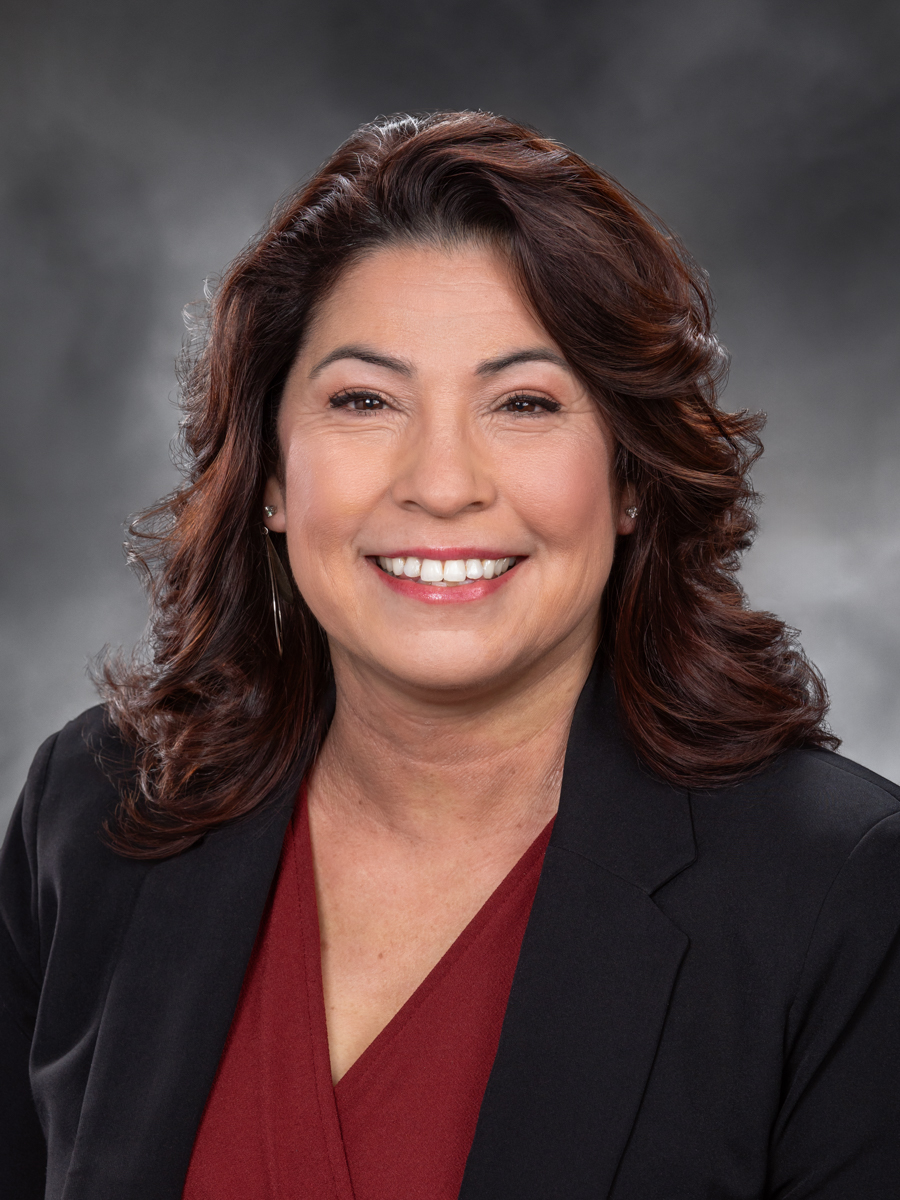
Rep. Monica Stonier
Sponsored bills
Maddy summaryHB 1444 requires Washington health insurers to cover rapid whole genome sequencing for infants under one year old in intensive care units who meet specific medical criteria, such as unexplained epilepsy, multiple congenital abnormalities, or suspected genetic disorders. It mandates coverage starting January 1, 2026, for cases where timely diagnosis is critical to treatment, including pre- and post-test counseling. The bill ensures separate payment for this service (not bundled into existing hospital payments) and defines "rapid" sequencing as delivering results in under 14 days. It directly affects low-income families enrolled in medical assistance programs by removing financial barriers to faster diagnosis of rare genetic conditions.
Maddy summaryHB 1113, known as the public SAFE-T Act, creates a pathway for individuals charged with certain simple or gross misdemeanors in Washington state to have their charges dismissed. Under this bill, a court may agree to dismiss a misdemeanor charge if the defendant waives their right to a speedy trial and substantially complies with court-ordered conditions and programs for up to 12 months. Full restitution is a required condition for dismissal, although inability to pay due to indigence is not a barrier if progress is made. However, the bill explicitly excludes a wide range of specific offenses, such as domestic violence, DUI-related charges, and certain assault or firearm offenses, from this dismissal process.
Maddy summaryHB 1690 requires Washington's Department of Ecology and Department of Health to jointly conduct a comprehensive assessment of the state's water and sewer systems by June 2027. The assessment will identify critical infrastructure gaps, analyze upgrade costs, and evaluate funding options to address issues like aging systems, septic maintenance challenges, and water quality concerns affecting public health. It directly impacts local governments, water utilities, and residents in communities facing infrastructure limitations, particularly in urban growth areas and small towns. The bill mandates gathering data from cities, counties, health boards, and utilities to inform recommendations for protecting environmental resources and supporting economic development. This assessment aims to provide a data-driven foundation for future investments in water and sewer infrastructure.
Maddy summaryHB 1333 requires detention facilities and private detention facilities to annually report to the Department of Health the number of people experiencing miscarriage, stillbirth, or perinatal loss while incarcerated. The Department of Health must then compile these reports into an annual statewide summary for the legislature, with the first report due by December 2026. The summary will include only aggregate data without personal identifying information about individuals. The bill repeals an unrelated law about concealing birth (RCW 9.02.050) but focuses solely on tracking pregnancy loss data in correctional settings.
Maddy summaryThis bill would allow parents to be paid for providing specialized care to their minor children (under 18) with developmental disabilities. It requires the state to seek federal approval to pay parents for "extraordinary care" - defined as care beyond typical parenting duties needed to prevent institutionalization. If approved, parents would qualify for payment under specific rules, including meeting training requirements like other caregivers. The bill applies only to children in certain high-need assessment categories and does not affect existing services for adults or non-disabled individuals.
Maddy summaryHB 1285 establishes financial education instruction as a graduation requirement for public high school students in Washington state. Beginning in the 2027-28 school year, all high schools must provide instruction in the state financial education learning standards. Starting with the graduating class of 2031, students will be required to meet these standards to graduate. The bill also tasks the Office of the Superintendent of Public Instruction with making instructional materials available and outlines monitoring responsibilities for the State Board of Education.
Maddy summaryHB 1770 clarifies the definition of "vision benefit manager" within Washington state's health care administration rules. It specifies that vision benefit managers - entities managing vision care benefits for health plans - are now explicitly included under the broader definition of "health care benefit manager" in existing law. This affects how vision benefits are administered for employees covered by public employees' and school employees' health benefit programs. The bill adds specific language to define vision benefit managers' roles, such as processing claims and determining coverage for vision services, while excluding certain entities like public benefit boards from this classification.
Maddy summaryHB 1655 requires health carriers in Washington to annually increase compensation for independent health care providers (those not employed by hospitals or hospital affiliates) based on the consumer price index (CPI), starting January 1, 2026. This applies to health benefit plans covering medical services, ensuring provider payments keep pace with inflation. The bill prohibits health carriers from waiving this requirement or discriminating against providers to avoid it, though it excludes dental-only plans. The law aims to reduce pressure on independent providers to join hospital systems by making fairer compensation adjustments.
Maddy summaryHB 1805 proposes a local 0.01% sales and use tax in Washington counties to fund additional services for children and families. The tax would generate revenue specifically for mental health support, early intervention programs, child care, school-based health services, shelter, rental assistance, and transportation. Counties could implement this tax via resolution or ordinance, with funds restricted to the listed services that address gaps in current Medicaid and behavioral health programs. The bill aims to support children and families early to improve well-being and reduce long-term needs like youth violence and substance use.