

Maddy summaryHB 1654 clarifies which local entities are responsible for enforcing the International Fire Code in unincorporated county areas. It allows counties to handle enforcement, but gives cities, towns, or fire protection districts (with over $10 million in annual revenue) the option to take over enforcement duties - including fire cause investigations and building inspections - after providing six months' notice to the county. These entities may also charge fees to cover enforcement costs, and must offer equivalent jobs to displaced county fire marshals. The bill does not change existing fire safety standards but adjusts administrative responsibility between local governments.
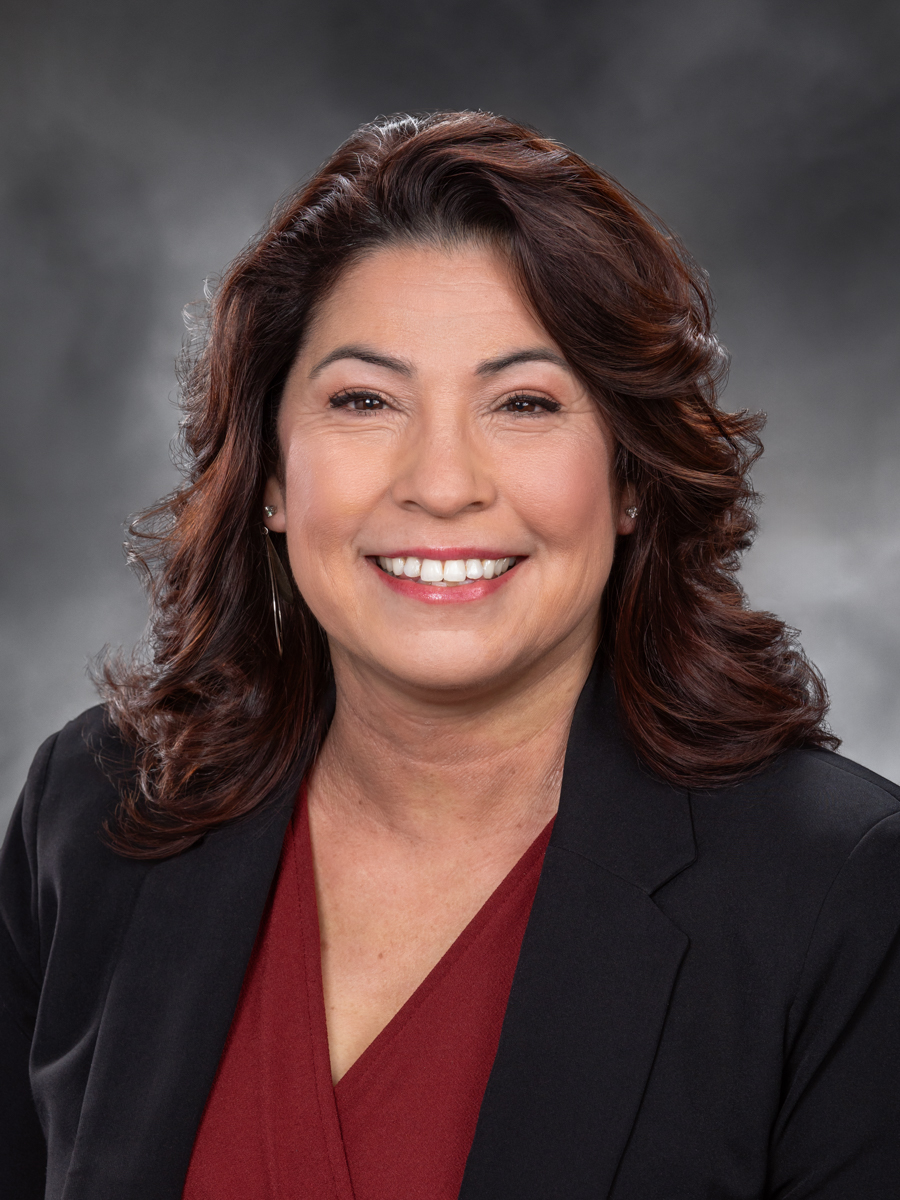
Rep. Monica Stonier
Sponsored bills
Maddy summaryHB 1777 streamlines the state approval process for apprenticeship programs that already have federal approval, directly affecting program sponsors (including tribal and nontribal organizations) and employers seeking to expand training opportunities. It requires the apprenticeship council to expedite reviews of federally-approved programs by limiting state-specific scrutiny to unique requirements, while reforming competitor objections: objections must be filed within 30 days of provisional approval, and frivolous objections can trigger penalties like attorney fee payments or $10,000 fines. The bill also mandates annual reports comparing Washington’s program approval rates to federal standards and other states, including details on pending applications and denial reasons. These changes aim to reduce current delays - where 4 of 17 2024 applications remained pending after federal approval - without altering apprenticeship content or creating new training slots.
Maddy summaryHB 1125 allows judges to modify lengthy prison sentences in Washington state when a person's original sentence no longer serves justice. It directly affects incarcerated individuals who meet specific criteria, such as having served 7+ years for an offense committed as a juvenile (starting July 2026), 10+ years for offenses committed as young adults (starting July 2031), or having a terminal illness. The bill requires petitioners to show rehabilitation or low recidivism risk, and courts may only reduce sentences (not increase them), must maintain mandatory minimums, and mandate a 6-month minimum wait after a hearing before release. The law also requires new sentences to include five years of community supervision.
Maddy summaryHB 1740 expands Washington's Office of Independent Investigations to include prosecuting criminal cases related to officer use of force, directly affecting victims of such incidents and county prosecutors. The bill grants the office concurrent authority with county prosecutors to investigate and prosecute use-of-force cases and related offenses, while requiring the independent prosecutor to meet strict appointment criteria (including background checks for bias) and keep victims informed of case progress. It mandates public reporting when charges are declined for fatal use-of-force cases and clarifies cost responsibilities (the office covers its prosecution costs but not defense costs). The independent prosecutor, appointed by the director, holds final authority over charging decisions and case management within the office's jurisdiction.
Maddy summaryHB 1211 would require clergy, including ministers, priests, rabbis, imams, and other religious leaders, to report suspected child abuse and neglect in Washington state. This bill amends the state's child abuse reporting law (RCW 26.44.020 and 26.44.030) to remove a previous exemption for clergy, making them mandated reporters under the same standards as other professionals. The key change broadens the definition of "member of the clergy" to include diverse religious leaders and integrates them into the reporting framework. This directly affects religious leaders who interact with children in Washington, requiring them to report suspicions of abuse or neglect to child protective services.
Maddy summaryHB 1151 establishes a permanent ninth grade success grant program to fund school-based teams that identify and support ninth-grade students at risk of not graduating. The program, administered by the Office of the Superintendent of Public Instruction, prioritizes public schools with low ninth-grade on-track rates or below-average graduation rates, particularly in underserved communities. Grant funds cover team member compensation, professional development, substitute teachers for program duties, and direct student supports. Schools must report annually on participation, student demographics, and outcomes like on-track rates and graduation data through 2030.
Maddy summaryHB 1836 establishes a state grant program to support local news journalism in Washington. It provides funding to eligible news organizations (including digital platforms meeting specific criteria) that employ at least three journalists per quarter in underserved communities, with grants proportional to reported journalist hours. The program aims to sustain local news coverage of civic affairs by requiring grantees to submit biennial progress reports. This directly affects struggling local news outlets facing staff declines (44% over 10 years) and ethnic media providers, as defined in the bill. The Washington Department of Commerce administers the program, collaborating with the Employment Security Department to verify journalist hours.
Maddy summaryHB 2033 defines key terms for taxing nicotine products in Washington State, including "tobacco products" (which excludes cigarettes) and "taxable sales price" for calculating tax liability. It establishes rules for determining taxable prices when businesses are affiliated or selling to unaffiliated entities, and clarifies that the tax applies to products containing nicotine intended for human consumption. The bill does not specify tax rates or new fees but creates the foundational definitions needed for future tax implementation. This summary is based solely on the definitional provisions in the bill text, with no tax rate details provided in the excerpt.
Maddy summaryHB 1425 requires Washington health insurance plans (including Medicaid) to cover genetic testing that helps match patients with effective mental health medications, starting January 1, 2026. Insurers cannot require prior authorization or force patients to try ineffective medications first. Coverage must include tests approved by the FDA or supported by clinical guidelines and research evidence. This applies specifically to psychotropic medications prescribed for conditions like depression, aiming to reduce the trial-and-error process that leaves many patients without relief.
Maddy summaryHB 1751 exempts required course materials (like textbooks and digital resources) from Washington state sales and use taxes for students enrolled at public colleges and universities. It requires students to show valid enrollment proof at approved vendors (campus bookstores or institution-designated online sellers) to qualify for the exemption. Public institutions must inform students about this tax break via their websites and course syllabi. The bill directly affects all students at Washington’s public higher education institutions by reducing out-of-pocket costs for essential learning materials, which the legislature notes are increasingly unaffordable (65% of students skip buying textbooks due to cost).