

Maddy summaryHB 2105 requires Washington employers to notify workers within 72 hours if federal agencies plan I-9 form or worker record inspections. It mandates posting notices in five common non-English languages at workplaces, sending written notices to workers' last known addresses, and sharing federal inspection results with affected workers. The law directly affects all Washington employers and immigrant workers who may face federal immigration verification checks. Key provisions include multilingual notice requirements, timelines for employer communication, and a template for compliance developed by the Attorney General. This bill creates a formal process for transparency during federal I-9 audits, aiming to protect workers' rights during inspections.
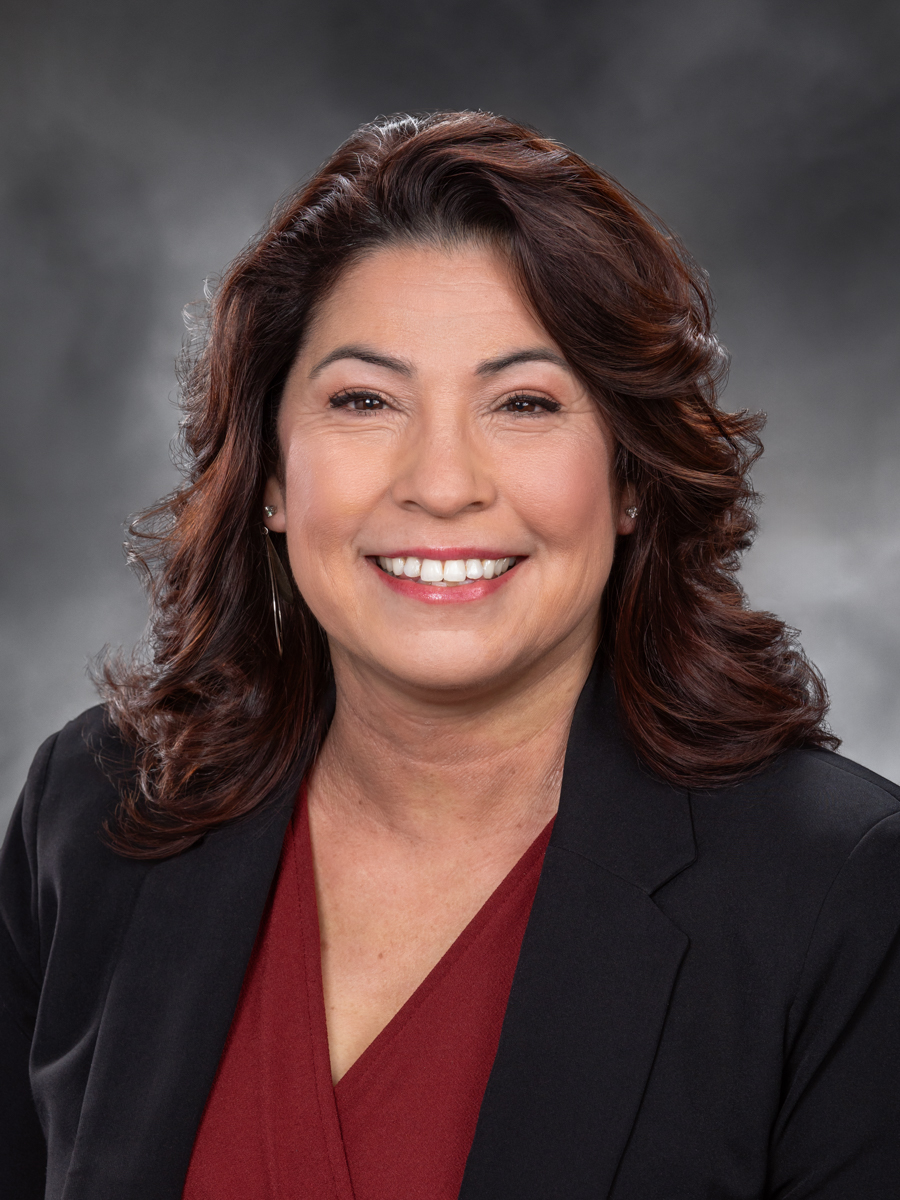
Rep. Monica Stonier
Sponsored bills
Maddy summaryHB 2325 establishes a self-funded tourism assessment program where qualifying tourism businesses pay an annual fee based on gross revenue to support statewide tourism promotion. It directly affects businesses like hotels, restaurants (with $5M+ annual revenue), attractions, and recreation operators that derive significant revenue from tourism. The program requires business sector ratification before assessments begin, with a ratepayer oversight board - appointed by businesses - to manage funds, approve budgets, and report annually. The fee structure, revenue thresholds, and program design must be approved by affected businesses through a referendum process before implementation.
Maddy summaryHB 1710 requires certain local governments (designated as "covered jurisdictions" due to documented voting rights issues) to obtain pre-approval before implementing specific voting changes. These changes include altering election methods, redrawing district boundaries, restricting language access for voters, or modifying early voting sites. Before any such "covered practice" takes effect, the local government must either seek a court declaration or get certification from the Attorney General that the change won’t diminish minority voting access. This applies to jurisdictions with a history of voting discrimination or current disparities in voter registration, participation, or other metrics affecting protected groups. The bill aims to enforce compliance with Washington’s Voting Rights Act of 2018 by adding a pre-clearance step for high-impact voting decisions.
Maddy summaryHB 1069 amends Washington state law to allow collective bargaining between public employers and employee organizations regarding contributions for certain supplemental retirement benefits. Currently, state law prevents bargaining over retirement plans and benefits administered by the Department of Retirement Systems. This bill clarifies that employers can now negotiate over contributions for additional retirement benefits, including medical plans, as long as these benefits are administered by or on behalf of an employee organization. This change enables discussions over these specific benefit contributions, while still excluding the core state retirement plans from collective bargaining.
Maddy summaryHB 1128 creates a Washington state Child Care Workforce Standards Board to set minimum compensation and employment standards for child care workers. The board, composed of nine members including worker representatives (from family child care, center workers, and school-age programs), employer representatives, parent advocates, and state agency officials, will address low pay and poor working conditions that contribute to workforce instability. It requires the board to hold public hearings, establish standards with a six-member vote, and protect workers from retaliation for participating in the process. The law aims to improve child care quality and affordability by ensuring fair compensation and stable employment for workers directly serving children.
Maddy summaryHB 2165 makes it a gross misdemeanor to intentionally create, possess, or display fake law enforcement items (like badges, vehicle decals, or insignia) that falsely identify someone as a sworn peace officer or reserve officer, or to misrepresent ordinary items as police property. It directly affects individuals or businesses selling or using fake police gear, such as costume shops or people posing as officers. Key exceptions include items clearly marked as honorary roles, historical displays, or protected artistic/satirical works (like parodies or educational materials). The law does not prohibit legitimate uses like historical reenactments or news coverage, and it specifies that the fake item must be displayed in a way that would reasonably mislead others.
Maddy summaryHB 1570 grants collective bargaining rights to student employees (those enrolled in academic or certificate programs) at Central Washington University, Eastern Washington University, Western Washington University, and The Evergreen State College. It defines specific bargaining topics, including tuition remission and waivers, while excluding issues like academic calendars, tuition amounts, student admissions, and termination based on academic performance. Compensation agreements must align with legislative budget limits, though institutions may offer additional pay beyond these limits. The bill applies only to employees not already covered by other collective bargaining laws at these institutions.
Maddy summaryHB 2238 requires Washington's Department of Agriculture to develop a statewide food security strategy by December 2027, aimed at ending hunger, reducing diet-related health disparities, and strengthening agricultural supply chains. The strategy must define food security through three lenses - access, agricultural viability, and supply chain resilience - and establish metrics to track regulatory costs (like fuel and labor), food access gaps, and agricultural competitiveness. It mandates collaboration with state agencies, tribes, BIPOC communities, small farmers, and food policy organizations to identify policy barriers, coordinate disaster response, and address root causes of hunger. The bill expires July 1, 2028, and requires the department to report on agricultural regulatory competitiveness every four years starting in 2030.
Maddy summaryHB 2219 creates unified licensing standards for all child care providers in Washington, replacing separate rules for different settings like family care, nature-based programs, and centers. It allows child care centers to combine age groups for up to 4 hours daily (with 90 minutes for staff breaks) while maintaining required staff-to-child ratios, and waives redundant orientation requirements for providers who already completed similar training. The bill directly affects licensed child care providers, early learning programs, and the Department of Children, Youth, and Families, which must implement these standards within available funding. Key changes streamline operations by reducing administrative complexity and aligning quality standards with existing programs like Early Achievers.
Maddy summaryThis bill is a House resolution that formally recognizes Representative Virginia "Jenny" Graham for her public service in the Washington State House of Representatives. It highlights her eight-year tenure, her advocacy for public safety, and her work on community safety and veterans' issues. The resolution does not create new laws or policies but serves as an official acknowledgment of her contributions and legacy.