

Maddy summaryThis bill is a House resolution that formally honors John Michael Sattgast for his 35 years of dedicated service as a communications professional for the House Republican Caucus in the Washington State Legislature. It recognizes his work producing over 4,000 radio stories and coordinating media coverage for state representatives, as well as his leadership roles with the National Conference of State Legislatures. The resolution acknowledges his contributions to sharing legislative history and public information, noting his receipt of the 2023 Legislative Staff Achievement Award. This measure serves as a commemorative tribute rather than establishing new policy or affecting government operations.
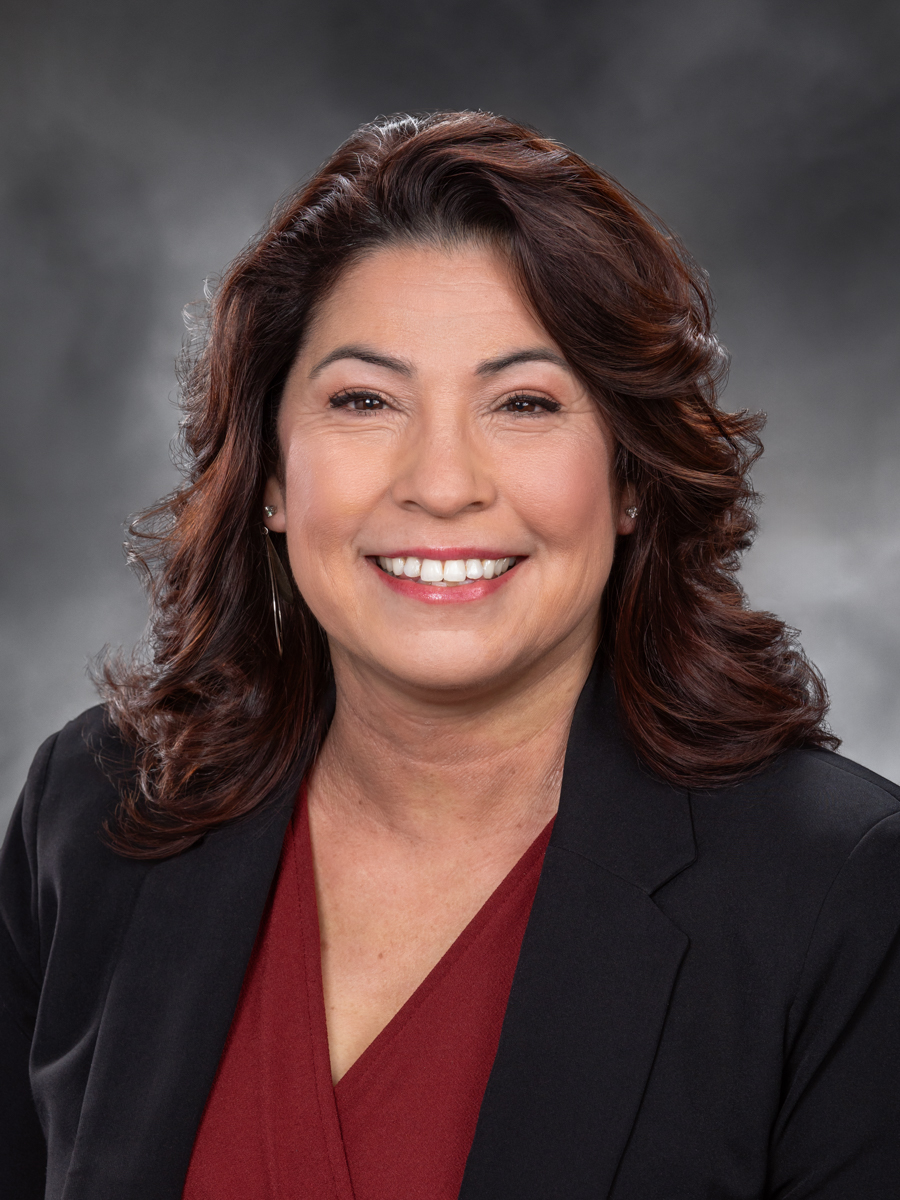
Rep. Monica Stonier
Sponsored bills
Maddy summaryThis bill formally acknowledges the service of Representative Steve Tharinger to his district and the Washington state legislature. It recognizes his long career in public service, including his time as a Clallam County Commissioner, his work on the House Capital Budget Committee, and his advocacy for environmental protection and healthcare. The resolution serves as a commemorative tribute to his contributions and personal qualities rather than establishing new laws or policies.
Maddy summaryThis bill requires most health insurance plans (excluding public employee plans) to cover intravenous immunoglobulin therapy for children diagnosed with PANDAS (pediatric autoimmune neuropsychiatric disorders associated with streptococcal infections) or PANS (pediatric acute-onset neuropsychiatric syndrome) starting January 2027. It mandates coverage for three initial monthly treatment courses and ongoing care as medically necessary, after less intensive treatments fail or aren't tolerated. The law prohibits insurers from denying coverage based on prior treatment history, diagnostic name changes, requiring ineffective symptom-only therapies first, or restricting coverage inconsistent with medical guidelines. It also ensures coverage for out-of-state treatment when local care isn't available.
Maddy summaryHB 2531 adjusts how ambulance transport providers in Washington pay a quality assurance fee to align with federal Medicaid reimbursement rules. It replaces the previous 5.5% fee calculation with a new method based on federal reimbursement rates and actual emergency transport data, requiring annual adjustments. The fee funds emergency ambulance services through Medicaid reimbursements without reducing existing state funding, and providers must pay quarterly based on their prior-quarter transports. This directly affects all ambulance transport providers in Washington who serve Medicaid patients.
Maddy summaryHB 2355 establishes minimum wage, overtime, and written contract requirements for domestic workers in Washington State, directly affecting nannies, home care aides, housekeepers, and similar workers employed in private residences. The bill requires employers to pay at least the state minimum wage (including overtime after 40 hours), provide a written agreement detailing pay, hours, benefits, and termination notice (2 weeks for non-live-in workers, 4 weeks for live-in), and prohibits wage theft like withholding pay. It excludes family members, casual labor (e.g., irregular babysitting), and home care provided through state-funded agencies. The law aims to bring domestic workers under standard labor protections while clarifying exemptions for certain informal or family-based arrangements.
Maddy summaryThis is a commemorative resolution (HR 4697) honoring Dr. Bernal Baca, recognizing his decades of service to Washington state. It highlights his work as a 30-year Yakima Valley College professor, founder of the Washington State Commission on Hispanic Affairs, leader in labor and education advocacy, and executive director of a Tacoma-based Latino community nonprofit. The resolution formally acknowledges his contributions to justice, education, and community building, with no policy changes or direct effects on specific groups. As a procedural measure, it serves solely to express the House's recognition of his legacy.
Maddy summaryHB 2739 establishes the Washington Institute for Scientific Advancement to offset federal funding cuts threatening research in Washington. It authorizes $6 billion in state bonds to fund critical scientific research at public universities and institutions, directly affecting fields like cancer treatment, veterinary medicine, climate science, and semiconductor technology. The bill aims to sustain ongoing projects jeopardized by federal grant reductions, including Washington State University's veterinary disease lab and University of Washington's $2.6 billion annual economic contribution. Proceeds will be allocated over three biennia to maintain research programs and prevent loss of scientific talent and economic impact.
Maddy summaryThis Washington state joint memorial (HJM 4017) urges the U.S. federal government to take specific actions regarding Iran, directly affecting U.S. agencies and policymakers. It requests the U.S. refrain from military intervention, strengthen targeted sanctions against Iranian officials violating human rights, minimize harm from broad sanctions on civilians, and support Iranian democracy movements through diplomatic and humanitarian means. The resolution emphasizes prioritizing Iranian-led democratic processes and includes nine specific policy requests, such as expanding internet access and halting deportations to Iran. As a symbolic state resolution - not a binding law - it has no legal effect but formally expresses Washington’s position to federal authorities.
Maddy summaryThis resolution (HR 4692) acknowledges the 84th anniversary of Executive Order 9066, which led to the forced relocation and internment of over 120,000 Japanese Americans during WWII, including 12,000 from Washington State. It recognizes Japanese American veterans, incarcerees, and civil rights activists from Washington, and urges reflection on the principle "with liberty and justice for all," without creating new policies or requiring government action.
Maddy summaryHB 2297 creates incentives to support grocery stores in underserved communities across Washington, directly affecting low-income residents, communities of color, rural populations, immigrants, refugees, and people with limited transportation access. The bill requires cities to adopt model tax ordinances that reduce structural cost barriers for grocery retailers through mechanisms like tax credits and standardized small business thresholds. It aims to preserve existing stores and encourage new development in areas where market forces have failed to provide adequate food access, with the goal of strengthening local jobs and neighborhood stability. The legislation focuses on concrete policy changes to address food access barriers, not on speculative outcomes.