

Maddy summaryHB 2186 creates a state program to help Washington communities access federal economic development funds by providing matching state dollars. It requires the Department of Commerce to develop scoring criteria prioritizing applications based on job creation, federal funding amount, and rural/districted area impact, while setting limits on matching funds (up to 100% for nonprofits and rural projects, 50% for utilities). The bill mandates reporting on jobs created and federal funds secured, and directs the department to expand a public website with federal grant opportunities by 2028. It directly affects local governments, nonprofits, economic development organizations, and tribes seeking federal grants for projects like housing, infrastructure, and workforce training.
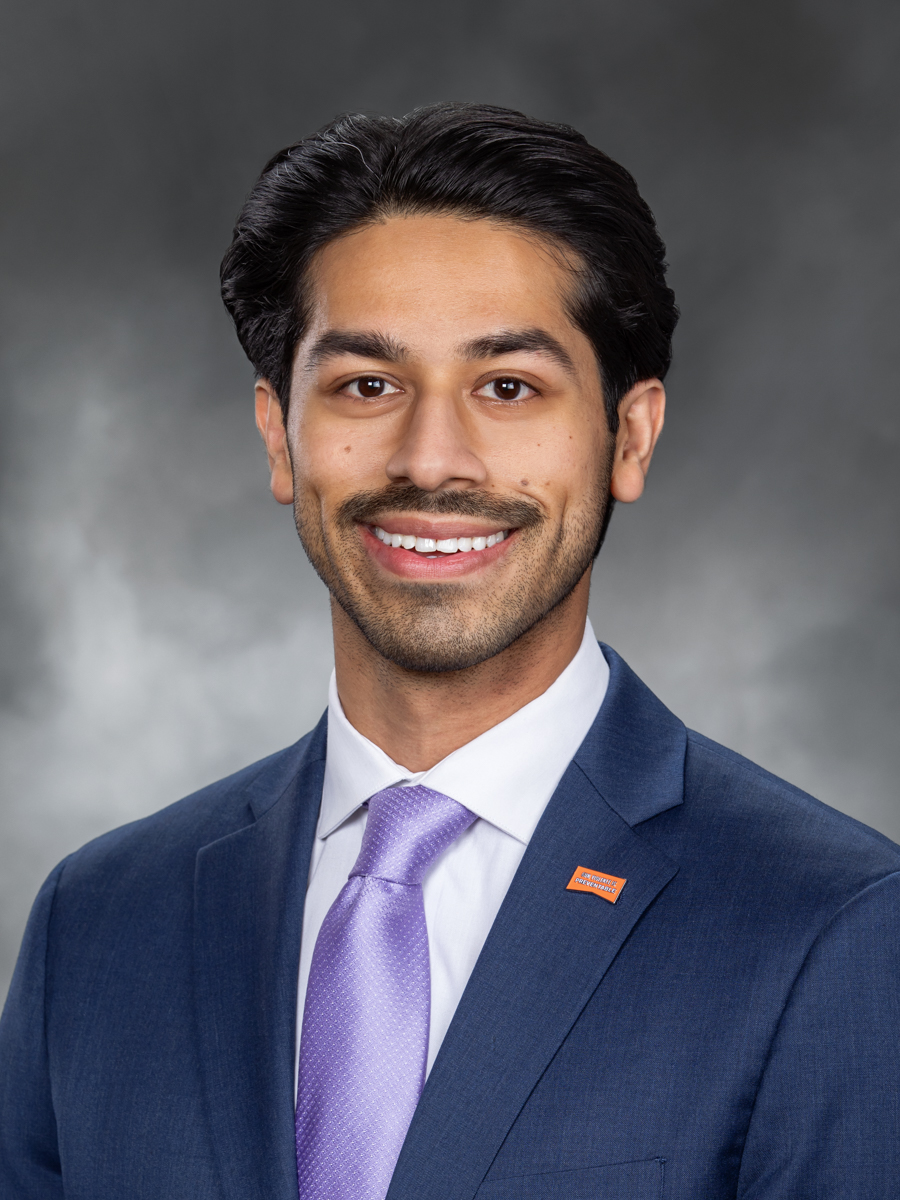
Rep. Osman Salahuddin
Sponsored bills
Maddy summaryHB 2145 prohibits drug manufacturers from restricting how 340B-covered safety net providers (like community health centers, HIV clinics, and tribal health centers) access discounted medications. It specifically bans manufacturers from denying or limiting delivery of 340B drugs to these providers or their contracted pharmacies, and prevents them from requiring data sharing as a condition for drug access. The law allows covered entities to sue violators for up to $5,000 per day per violation and requires penalties for noncompliance. This directly protects low-income patients who rely on affordable medications through Washington's safety net providers.
Maddy summaryHB 1316 requires Washington's public four-year colleges and tribal colleges to create programs supporting students experiencing homelessness and those who were in foster care when they graduated high school. The bill mandates institutions provide specific services like laundry access, reduced-price meals, technology, short-term housing assistance, and case management. It also allows schools to develop surplus property for affordable housing and requires annual reporting on program participation, strategies, and recommendations. This directly affects enrolled students facing housing instability or foster care backgrounds at participating institutions.
Maddy summaryHB 2481 bans grocery stores from using computer systems to charge different prices based on personal data like shopping habits, location, or inferred characteristics (e.g., income or race). It also requires a four-year temporary pause on all electronic shelf label systems that could collect consumer data from devices to adjust prices. The law directly affects grocery retailers using dynamic pricing technology, exempting small businesses. It aims to ensure prices remain fair and transparent, preventing personalized pricing without clear disclosure. The bill defines key terms like "inferred data" and "electronic shelf label systems" to clarify these prohibitions.
Maddy summaryHB 2732 allows Washington students to miss school for civic activities, such as visiting legislators, attending advocacy events, or meeting elected officials. School districts must grant up to one excused absence per academic term for these activities, provided parents approve and the request is submitted seven days in advance. The bill requires districts to provide a form for requests and prohibits denying absences for reasons unrelated to the activity’s nature or submission process. It does not apply to school-organized events or activities tied to coursework, and districts must ensure absences won’t harm a student’s education. This policy directly affects students, parents, and school districts under Washington state law.
Maddy summaryThis is a House Resolution (not a law), introduced and adopted by the Washington State House of Representatives. It formally recognizes the importance of reflecting on the history of Chinese American exclusion in Washington state, including the Chinese Exclusion Act of 1882, the Tacoma and Seattle riots of 1885-1886, and ongoing discrimination. The resolution aims to promote education about this history and honor the contributions of Chinese Americans to Washington's cultural and civic life. It serves as a symbolic commitment to remembering this chapter of state history for public awareness and remembrance.
Maddy summaryHB 2422 shifts the cost of private security guard licensing fees from individual workers to their employers. The bill requires security companies to pay all application, renewal, and endorsement fees ($101 initial, $95 annual) for employees, prohibiting employers from deducting these costs from wages or requiring reimbursement. This applies to all security guards employed by licensed companies, aiming to reduce financial barriers for workers in an industry with modest pay and high turnover. Violating employers face $500 penalties per violation, with repeated offenses risking license suspension. The law takes effect November 1, 2026.
Maddy summaryHB 2257 is a technical correction bill that updates Washington State's tax code to improve clarity and administrative efficiency for the Department of Revenue. It amends multiple tax statutes (including definitions for "tobacco product," "vapor product," and "retail sale") to resolve ambiguities and streamline tax administration without changing tax rates or creating new revenue impacts. The bill directly affects businesses and individuals interacting with Washington's tax system, particularly those handling retail sales, tobacco products, or cannabis-related transactions. It focuses on fixing outdated language and ensuring consistent application of existing tax laws.
Maddy summaryHB 2586 modifies eligibility for Washington's College Grant program by automatically qualifying students already enrolled in the Passport to Careers program. It amends RCW 28B.92.200 to add Passport to Careers eligibility as a pathway for College Grant access starting in the 2026-27 academic year. This change directly affects Washington students participating in the Passport to Careers initiative, removing the need for separate financial eligibility assessments. The bill streamlines access to college grant funding without altering the Passport to Careers program's structure or funding levels.
Maddy summaryHB 2489 establishes statewide rules preventing local governments from penalizing people for basic life-sustaining activities (like sleeping or eating in public) when no adequate shelter is available. It requires cities to prove shelter space existed before enforcing public space laws, and invalidates citations or prosecutions that violate this rule. The bill protects individuals experiencing homelessness from punishment for necessary activities while ensuring enforcement actions are limited to immediate safety risks. It does not create a right to shelter, but mandates cities to document shelter availability and coordinate with service providers to address homelessness.